
Flying With a Baby in Winter: What to Pack in the Nappy Bag

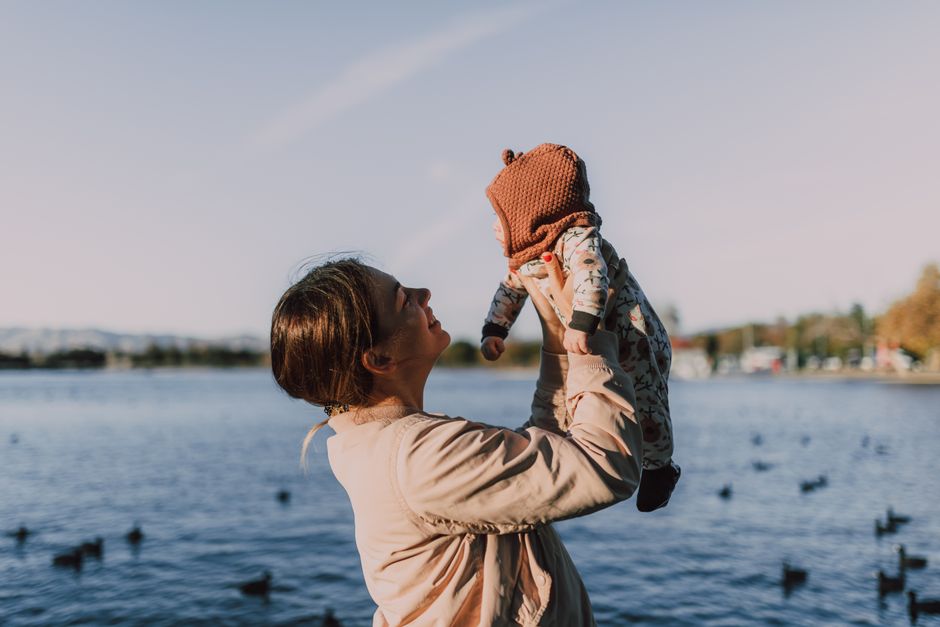
What should you pack when your winter flight is delayed, your baby has a wet nappy, and the cabin bag containing the spare clothes is in the overhead locker?
That is the real packing problem. Cold weather adds bulky layers, dry cabin air can make feeding and soothing harder, and a short airport transfer can turn into several hours of waiting. The safest approach is to pack for the first 12 hours of disruption, not the advertised flight time. No state law is analyzed here. Airline, airport, and border rules vary by country and carrier. This is not legal advice — consult a licensed attorney before relying on any legal interpretation.
Why winter flights need a different nappy bag plan
Cold air creates a clothing problem
A baby may leave home in a padded suit, sit in a heated car, pass through a cold airport car park, and then spend several hours in a warm aircraft cabin. Those changes make one thick outfit less useful than several thin layers. A bodysuit, a soft top, trousers, socks, and a light fleece give you more control than a single heavy snowsuit.
Bulky outdoor clothing also takes up valuable room. You do not need to carry every winter item in the nappy bag. Wear the coat or footmuff through the airport, then store it under the seat or in the stroller basket when the cabin warms up. Keep the items needed for a nappy change and feeding within one hand’s reach.
The bag must handle a delay, not just a flight
For a baby, a two-hour delay can mean one extra feed, two extra nappy changes, a second clothing change, and a long period of holding or soothing. Pack those extras before toys and spare blankets. A useful rule is to carry a two-hour delay reserve: two more nappies than the journey normally requires, one extra feed, one spare outfit, and enough wipes for a messy change.
Keep a small emergency pouch inside the larger bag. Put nappies, wipes, barrier cream, a disposable changing mat, and a clean nappy sack in it. This prevents you from emptying the whole bag beside an airport toilet or aircraft seat. The best winter nappy bag is not the largest one. It is the one that lets you find the right item with one hand while holding your baby with the other.
What to pack in the nappy bag, in order
Start with care items
- Pack six to eight nappies for a short daytime flight, then add two for every expected hour of delay.
- Carry a full travel pack of fragrance-free wipes, plus a small tube of barrier cream.
- Add two disposable changing mats and at least four sealable bags for wet clothes or used nappies.
- Pack one complete change-of-clothes bundle: long-sleeve bodysuit, trousers, socks, and a soft top.
- Bring a second bodysuit if your baby is prone to reflux or the flight crosses a normal feeding period.
Add feeding supplies
Pack feeding equipment in a separate pouch. Breastfeeding parents may need breast pads, a muslin cloth, and a manual pump. Formula-feeding parents should carry the measured powder or ready-to-feed formula, clean bottles, and a way to separate used bottles from clean ones. Do not rely on an airport shop having the right brand, teat size, or allergy-safe formula.
For a bottle-fed baby, the Tommee Tippee Closer to Nature bottle holds 260 mL, while the Philips Avent Natural Response bottle is also available in a 260 mL size. Those are examples, not universal choices. Use the bottle your baby already accepts at home. A flight is a poor place to test a new teat.
Keep comfort items small
Choose one familiar comfort item, one lightweight muslin, and one small toy. The Aden + Anais Classic muslin swaddle measures about 47 by 47 inches, so it can cover a shoulder, protect your clothing, or provide a light layer without taking up the space of a padded blanket. Avoid filling the bag with toys. A baby may need one known object more than six unfamiliar ones.
How to divide the bag between airport and cabin needs
The under-seat kit
Items needed during takeoff, landing, and a normal nappy change belong in the small front section of the bag. Put one nappy, wipes, a changing mat, one muslin, a dummy if used, and the next feed there. This arrangement matters because an overhead locker may be closed during taxiing and turbulence. The cabin crew may also ask passengers to remain seated.
The delay reserve
Everything needed after the planned journey should sit deeper in the bag but remain easy to reach. Use separate pouches for nappies, feeding, clothes, and medicine. A labelled pouch costs a little space and saves a great deal of rummaging. If you use a backpack such as the Skip Hop Forma Backpack, place the changing items in the outer compartment and the delay reserve in the main compartment. The point is access, not the brand.
| Bag zone | Pack here | Reason |
|---|---|---|
| Front pocket | One nappy, wipes, mat, cream, nappy sack | Fast changes in the airport or cabin |
| Middle pouch | One feed, bib, muslin, dummy, burp cloth | Feeding without opening the full bag |
| Main compartment | Two spare outfits, extra nappies, warm layer | Protection against delays and spills |
| Sealed wet bag | Used clothing and damp cloths | Keeps moisture away from clean items |
My clear recommendation is to keep the next-use items under the seat and the bulkier reserve in the overhead locker only when necessary. If the bag fits under the seat, that is the better arrangement for winter travel because it keeps clothing and feeding supplies available during a delay.
Which winter layers are worth carrying?
Choose layers over a padded travel suit
Pack layers, not a full snowsuit for the aircraft cabin. A padded suit can be useful outdoors, but it may be too warm in a heated terminal and awkward under a restraint system. For the journey itself, the best combination is a cotton bodysuit, soft trousers, socks, and a thin fleece or cardigan. Add a hat only when the baby is outside. Remove the hat indoors if the baby feels hot or sweaty.
This approach also makes a dirty change easier. You can replace one layer without undressing the baby completely. It gives you a clean option after a spill and avoids carrying a large insulated outfit through security.
Use one practical cover
A lightweight muslin is more useful than a thick blanket because it can cover your shoulder, catch milk, shade a sleeping baby from cabin light, or provide a light extra layer. The Aden + Anais Classic swaddle is a familiar example at about 47 by 47 inches. A second muslin is sensible for a long trip, but three usually become dead weight.
For toddlers, add a compact snack container rather than several loose packets. The Munchkin Snack Catcher holds about 9 ounces and can reduce spills during a long wait, but only pack it if your child already uses it safely. It is not a substitute for an age-appropriate meal, and dry snacks create crumbs that are difficult to clean from a car seat or aircraft seat.
Do not pack a bulky winter coat for use under a child restraint. Follow the restraint manufacturer’s instructions and the airline’s current policy. A thin layer over the harness is usually easier to manage than a thick coat, but the correct decision depends on the specific restraint and the carrier’s rules.
What to leave out, and what to do when the plan fails
Five packing mistakes that cause trouble
- Putting every nappy and spare outfit in one checked bag. A checked bag can be delayed.
- Packing only the clothes the baby wears at departure. Milk, reflux, and nappies can change that plan quickly.
- Carrying a full-size blanket when a muslin handles more jobs with less bulk.
- Trying a new bottle, dummy, snack, or cream for the first time during the journey.
- Forgetting the adult’s needs. Add water, a snack, lip balm, and a spare top for the parent holding the baby.
When not to add another product
You do not need a dedicated bottle warmer, a large travel steriliser, or a full-size changing station for a short flight. Those items may make sense for a long trip with a particular feeding routine, but they take space and add cleaning tasks. Use the smallest equipment that matches your baby’s established routine.
The compressed verdict
Pack for delay, not the schedule. Keep the next feed, one complete change, and one nappy kit under the seat. Use thin layers, separate clean and wet clothing, and leave untested products at home. That setup handles the failures that actually happen: a missed connection, a spilled feed, a cold transfer, or a nappy change when the overhead locker is closed.
What should you pack when your winter flight is delayed, your baby has a wet nappy, and the cabin bag containing the spare clothes is in the overhead locker? That is the real packing problem. Cold weather adds bulky layers, dry cabin air can make feeding and soothing harder, and a short airport transfer can…