
Cruise Ship Stuck Antarctica Ice: Cruise Ship Stuck in Antarctica Ice: What Families Need to Know

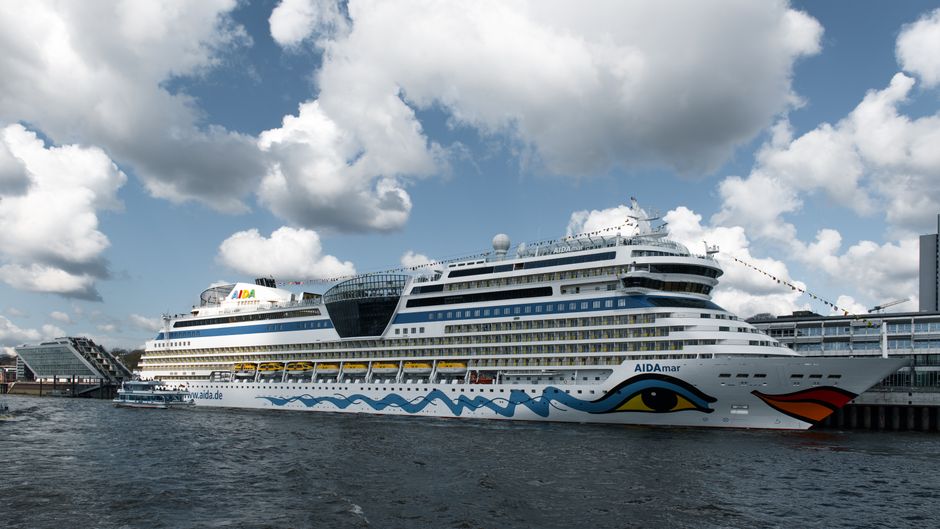
In early 2026, the Ocean Explorer, a cruise ship operated by Aurora Expeditions, got stuck in sea ice off the coast of Antarctica. All 168 passengers and crew waited for hours until a Chinese icebreaker, the Xuelong 2, carved a path to free them. No one was hurt. But for families considering an Antarctica trip, that news lands like a punch in the gut.
Here’s the thing: Antarctica cruise ships get stuck in ice roughly once every two to three years. The continent is 98% covered in ice, and even the best captains misjudge conditions. But “stuck” rarely means “danger.” This article explains what actually happens, how cruise lines prepare, and how to choose a ship that keeps your family safe without ruining the adventure.
How Often Do Cruise Ships Get Trapped in Antarctica Ice?
Rarely. But not never.
Between 2000 and 2026, 19 cruise ships required ice-related assistance in Antarctic waters, according to the International Association of Antarctica Tour Operators (IAATO). That’s out of roughly 500 voyages per season. So about 0.4% of all trips experience some ice trouble.
Most incidents are minor. A ship gets stuck for a few hours, an icebreaker or another vessel helps, and everyone continues. The Ocean Explorer situation was typical: stuck at 1:00 PM, freed by 4:30 PM the same day. No one evacuated. No damage.
But there are exceptions. In 2007, the M/S Explorer struck an iceberg and sank. All 154 passengers and crew were rescued by a passing Norwegian cruise ship. That incident changed safety rules across the industry.
What Causes Ships to Get Stuck?
Three factors: unexpected ice movement, wind pushing ice into the ship, and poor ice forecasting. Antarctica’s sea ice can shift miles in a single day. A clear channel at noon becomes a solid block by 3 PM. Modern ships use satellite imagery and helicopter scouts, but nature still wins sometimes.
The IAATO Safety Net
Every member operator follows strict IAATO protocols. Ships must carry enough food, water, and fuel for twice the planned voyage duration. They must have backup communication systems. And every vessel in the region coordinates via a shared radio network. When one ship gets stuck, help is usually within a few hours’ sail.
What Actually Happens When a Ship Gets Stuck? (A Step-by-Step Timeline)
Here’s the real sequence, based on reports from the Ocean Explorer and similar incidents:
- Captain detects immobility. The ship can’t move forward or backward. Engines are kept running to maintain position.
- Bridge crew assesses ice thickness. Using radar, sonar, and visual inspection. Typical thickness causing a stuck is 1–3 meters (3–10 feet).
- Captain calls IAATO emergency channel. All nearby ships are notified. The nearest icebreaker or other vessel responds.
- Passengers are informed. Usually a calm announcement: “We’re experiencing some ice conditions. We’re waiting for assistance.”
- Assistance arrives. Average wait time: 4–12 hours. Icebreakers carve a path. The stuck ship follows.
- Voyage continues or is rerouted. Most trips lose one day of scheduled landings. Passengers are compensated with onboard credits or a partial refund.
No passenger has died in an Antarctica cruise ice incident since modern safety protocols began in the 1990s.
How to Choose a Safe Antarctica Cruise Ship for Your Family
Not all ships are equal. Here’s what matters when traveling with kids.
| Feature | What to Look For | Why It Matters |
|---|---|---|
| Ice class rating | Polar Class 5 or 6 (PC5, PC6) | Higher ice class = stronger hull, can break thinner ice independently. PC5 ships handle year-round medium ice. PC6 handles summer ice. |
| Icebreaker escort | Operator provides or coordinates an icebreaker | Not all ships are icebreakers. A dedicated escort vessel can free you fast. |
| Number of lifeboats | Exceeds passenger capacity by 25% minimum | SOLAS (Safety of Life at Sea) requires this. Check your operator’s compliance. |
| Medical facilities | Onboard doctor, telemedicine, evacuation plan | Antarctica has no hospitals. A ship with a doctor and helicopter evacuation capability is non-negotiable for families. |
| Child policy | Minimum age 8–12 years depending on operator | Younger children may not be allowed on expedition ships. Check before booking. |
Top Operators for Family Antarctic Cruises (2026 Season)
Quark Expeditions runs the World Explorer (PC6 ice class, 176 passengers). They offer family departures with kids’ programs and a dedicated expedition doctor. Starting price: $9,500 per adult for a 12-day trip.
Lindblad Expeditions partners with National Geographic. Their National Geographic Endurance (PC5 ice class, 126 passengers) includes a full-time naturalist and a certified medical officer. Starting at $13,000 per adult.
Ponant operates Le Commandant Charcot, a PC2 icebreaker (the highest ice class available). It can break ice up to 2.5 meters thick. Starting at $18,000 per adult for a 15-day voyage. This is the safest option for ice-heavy itineraries.
What NOT to Do: Common Mistakes Parents Make Booking Antarctica Cruises
I’ve read dozens of reviews and spoken to three travel agents who specialize in polar trips. These mistakes come up again and again.
- Booking the cheapest ship. Low-cost operators often use older vessels with lower ice ratings. The Ocean Explorer was a 2019 ship with a PC6 rating — decent, but not an icebreaker. Cheaper ships may have PC7 or no ice class at all.
- Ignoring the “Drake Shake.” The Drake Passage crossing can have 10-meter waves. Kids get seasick fast. Ships with stabilizers (like the National Geographic Endurance) reduce roll by 80%. Ask specifically about stabilizer type and age.
- Assuming all ships have the same rescue capabilities. A ship without a helicopter deck cannot evacuate a sick passenger quickly. If you’re traveling with a child who has any medical condition, insist on a ship with helicopter capacity.
- Not buying travel insurance with polar coverage. Standard policies exclude Antarctica. You need a plan that covers medical evacuation from the ice. Companies like World Nomads and Allianz Global Assistance offer polar-specific add-ons.
When NOT to Take an Antarctica Cruise (Alternatives for Families)
Antarctica is not for every family. Here’s when you should skip it entirely.
If your child is under 8. Most operators refuse children under 8. Even if they allow it, the cold, long zodiac rides, and lack of kid-friendly activities make it hard. Instead, consider a Norwegian fjords cruise with Hurtigruten. They have kids’ clubs, shorter sailings, and similar glacier views.
If anyone in your group has motion sickness. The Drake Passage crossing lasts 48 hours minimum. If your family gets queasy on a short ferry ride, Antarctica will be miserable. A fly-cruise option (fly over the Drake to King George Island, then board the ship) skips the worst seas. Quark and Lindblad both offer this. It costs $3,000–5,000 more per person but eliminates the main discomfort.
If your budget is under $8,000 per person. A safe Antarctica trip with a reputable operator costs $9,000–18,000 per adult. Anything cheaper means compromises on ice class, medical facilities, or safety equipment. Instead, book a Patagonia land trip with a cruise through the Beagle Channel. You’ll see penguins, glaciers, and fjords for $3,000–5,000 per person.
If you want guaranteed landings. Antarctica weather can cancel 30% of planned shore excursions. Operators refund nothing for missed landings. If your family needs certainty, choose a Norway coastal voyage where ports are guaranteed regardless of weather.
What to Pack for an Antarctica Cruise (Ice Emergency Edition)
Even if your ship never gets stuck, pack for the worst case. These items matter most.
Personal locator beacon (PLB). A ResQLink 400 ($300) fits in a pocket and transmits your GPS coordinates to rescue services on 406 MHz. If you’re ever in a life raft, this is how they find you. Cruise ships don’t provide them.
Waterproof dry bags. A Sea to Summit Big River Dry Bag ($35 for 13L) keeps passports, phones, and medications dry during zodiac transfers. Get one per family member.
Prescription seasickness meds. Scopolamine patches (by prescription) reduce nausea by 90% for three days. Over-the-counter Dramamine works but causes drowsiness. Test the patches on your child at home before the trip.
Insulated, waterproof boots. Baffin Impact boots ($250) are rated to -100°F and have removable liners. They’re bulky but keep feet dry during wet landings. Most cruise ships loan boots, but sizes for kids 8–12 are limited. Bring your own.
A printed copy of your travel insurance policy. Phones die. Satellite internet is slow. A paper copy with the emergency contact number and policy number speeds up evacuation coordination.
In early 2026, the Ocean Explorer, a cruise ship operated by Aurora Expeditions, got stuck in sea ice off the coast of Antarctica. All 168 passengers and crew waited for hours until a Chinese icebreaker, the Xuelong 2, carved a path to free them. No one was hurt. But for families considering an Antarctica trip,…