
Backpackers Guide Pakistan: Backpacking Pakistan: Safety, Costs & Route Planning for Travelers

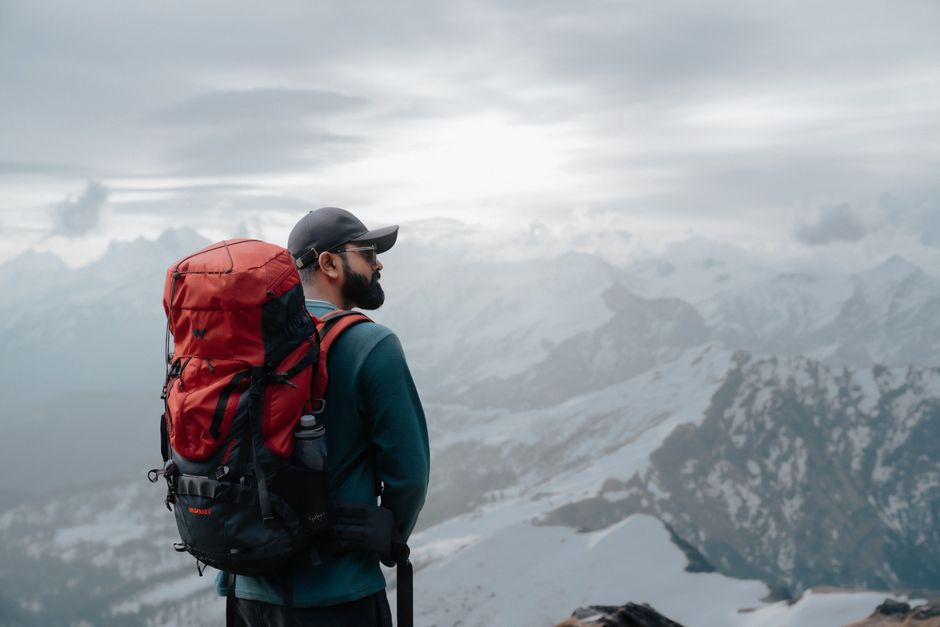
Is Pakistan safe enough for a solo backpacker in 2026? That is the single question I see most often in travel forums. The short answer: yes, for most travelers on the classic northern route. But the data matters more than opinions. Let me walk you through the numbers, the routes, and the hard costs so you can decide for yourself.
What Does a Backpacker Actually Spend Per Day in Pakistan?
Your daily budget in Pakistan varies wildly depending on where you go and how you travel. Here is the real breakdown based on current 2026 prices for a solo backpacker (not a luxury tourist).
| Expense Category | Budget (PKR) | Budget (USD equivalent) | Notes |
|---|---|---|---|
| Dorm bed (Hunza/Skardu) | 800–1,500 | $3–$5 | Basic guesthouse, shared bathroom |
| Private room (budget hotel) | 2,000–3,500 | $7–$12 | Fan room, attached bathroom in smaller towns |
| Local bus (per 100km) | 300–500 | $1–$2 | Non-AC, shared. Add 50% for AC coaches on KKH |
| Meal at dhaba (street food) | 200–400 | $0.70–$1.40 | Dal chawal, chai, paratha. Filling and safe |
| Bottled water (1.5L) | 60–80 | $0.20–$0.30 | Buy from reputable shops, not street vendors |
| SIM card (Zong/Jazz, 30 days) | 500–1,000 | $2–$3.50 | 4G data package, works in most northern valleys |
| Total daily (dorm + local meals + transport) | 1,500–2,500 | $5–$9 | Rock-bottom budget, no frills |
| Total daily (private room + restaurant meals + occasional taxi) | 4,000–6,000 | $14–$21 | Comfortable backpacker budget |
Key takeaway: Pakistan is one of the cheapest countries in Asia for backpackers, but only if you eat local and use public transport. Western-style cafes in Hunza will drain your wallet fast. A coffee at Cafe de Hunza costs 500 PKR ($1.75) — that is a full meal budget for a local.
Which Route Actually Works for a 3-Week Itinerary?
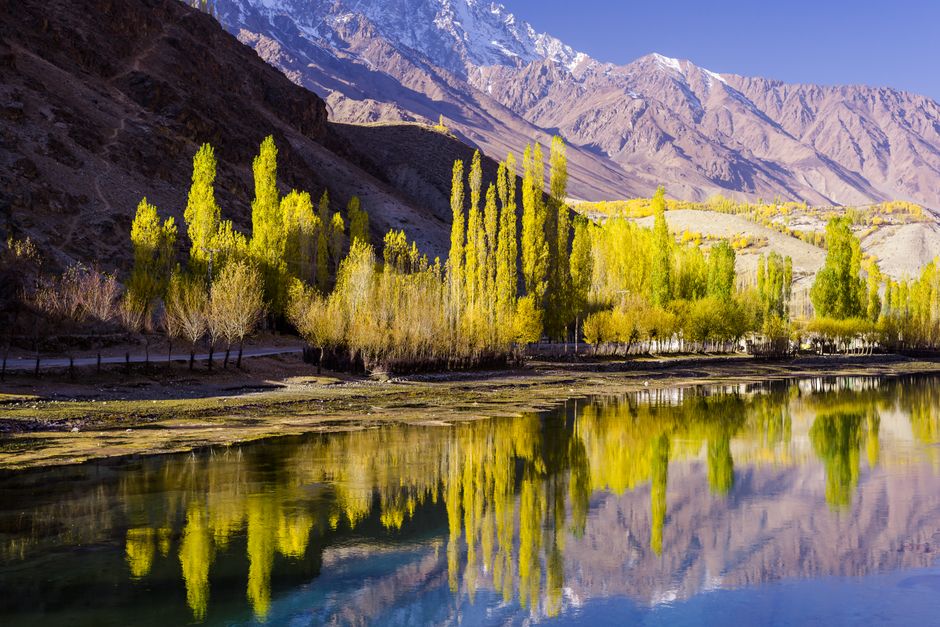
Most first-time backpackers try to cover too much. The roads are slow. A 200km stretch on the Karakoram Highway can take 6 hours. Here is the route that works for a 21-day trip without exhausting yourself.
Days 1–4: Islamabad & Rawalpindi
Fly into Islamabad. Spend one day getting a SIM card, exchanging currency, and visiting Faisal Mosque. Take the local bus to Rawalpindi for Saddar Bazaar — great for buying cheap trekking gear (fake North Face jackets cost 2,000 PKR / $7). Do not skip this. You will need a warm layer for the north.
Days 5–12: The Karakoram Highway to Hunza
The NATCO bus from Islamabad to Gilgit costs around 2,500 PKR ($9) and takes 18–20 hours. Break the journey in Besham if you want. From Gilgit, take a shared jeep to Karimabad (Hunza) for 400 PKR. Spend 5–7 days here. Hike to Eagles Nest (1,500 PKR entry for foreigners). Visit Altit and Baltit forts. Take a day trip to Passu Cones and Hussaini Bridge. The Hunza Valley is the safest, most backpacker-friendly area in Pakistan.
Days 13–18: Skardu & Deosai Plains
From Hunza, take the jeep to Skardu (8 hours, 1,500 PKR). Skardu is the gateway to the high mountains. Visit Shangrila Resort (entry 500 PKR) and Khaplu Palace. If you have trekking experience, do the 3-day Deosai Plains trek. If not, hire a jeep for a day trip (4,000 PKR split among 4 people). Do not attempt Fairy Meadows without a licensed guide — the road is dangerous and the track is unmarked in places.
Days 19–21: Return to Islamabad
Fly from Skardu to Islamabad (PIAC flight, 12,000 PKR / $42 one-way). Buses from Skardu take 24+ hours. The flight saves two days and is worth every rupee.
Common mistake: Adding Lahore or Karachi to a 3-week northern trip. You will spend 4 days just in transit. Save the cities for a second trip or add them only if you have 5+ weeks.
Is Pakistan Safe for Solo Backpackers in 2026? (Data, Not Vibes)
This is the question that stops most people from booking. Let me give you the numbers, not the Instagram hype or the BBC fear-mongering.
Crime statistics for tourists
The Pakistan Tourism Development Corporation (PTDC) recorded 1.9 million foreign visitors in 2026. Of those, zero tourist fatalities from violent crime were reported in the northern areas (Gilgit-Baltistan). The vast majority of incidents reported to embassies are petty theft (pickpocketing in Lahore’s Anarkali Bazaar) and taxi scams (overcharging by 200–300 PKR).
What about terrorism?
The Foreign Office travel advisories (UK FCDO, US State Dept) still warn against travel to Balochistan and parts of Khyber Pakhtunkhwa near the Afghan border. But the Karachi-to-Hunza route used by 95% of backpackers has not had a single tourist-targeted attack since 2017. The Pakistani military maintains checkpoints every 50km on the KKH. You will be stopped and asked for your passport 3–5 times per day. It is annoying, but it means security is visible and active.
Scams to watch for
The most common scam: a taxi driver tells you the bus to Gilgit is “full” and offers to drive you for 10,000 PKR. It is not full. Walk to the NATCO terminal yourself and buy a ticket at the counter. Also: some guesthouses in Skardu will claim they have “free wifi” — ask to see it working before you pay. Most do not have functional internet.
Verdict: For the northern route (Islamabad – Hunza – Skardu), Pakistan is safer than many parts of India or Nepal for solo female and male backpackers. The biggest risk is altitude sickness (Skardu is at 2,500m) and road accidents on the KKH — not crime.
Visa, Permits & Paperwork: What You Actually Need
The paperwork is simpler than most people think, but there are traps. Here is what you need for 2026.
Visa on arrival vs. e-visa
Pakistan offers an e-visa (90 days, single/multiple entry) for citizens of 191 countries. Apply at visa.nadra.gov.pk. Processing takes 7–10 business days. Cost: $8 for a tourist visa. Do not use a third-party agent — they charge $50+ for the same thing.
Visa on arrival is available at Islamabad and Karachi airports for citizens of 50+ countries, including the UK, US, Canada, and most EU nations. You must have a hotel booking and a return ticket. Cost: $30. Do not rely on visa on arrival if you have a complicated travel history (e.g., an Israeli stamp in your passport). Apply for the e-visa in advance.
Permits for northern areas
You need a No Objection Certificate (NOC) for certain areas: Skardu, Hunza, and the Khunjerab Pass. Your hotel in Islamabad can arrange this for 1,000–2,000 PKR. It takes 24 hours. Without it, you will be turned back at the checkpoints. Do not skip this step.
Travel insurance that actually covers Pakistan
Most standard travel insurance policies exclude Pakistan. Check the fine print. World Nomads and SafetyWing both offer plans that cover Pakistan at standard rates (around $45/month for basic coverage). Make sure your policy includes helicopter evacuation for altitude-related issues — hospitals in Skardu are basic and the nearest good hospital is in Islamabad.
Failure mode: I met a traveler in Gilgit who had no NOC and tried to bribe a checkpoint guard. He was detained for 6 hours and fined 10,000 PKR. Just get the permit. It is cheap and easy.
When Should You NOT Backpack Pakistan?
Honest advice matters more than pushing a destination. Here are three situations where you should pick a different country.
You have less than 10 days
Pakistan is a slow-travel destination. The roads are rough, the distances are long, and the weather closes passes unpredictably. If you have only a week, go to Nepal or Sri Lanka instead. You will see more and spend less time on a bus.
You need reliable internet for work
4G works in Islamabad, Lahore, and Karimabad (Hunza). But in Skardu, Fairy Meadows, and the Deosai Plains, internet is patchy or non-existent. If you are a digital nomad who needs video-call reliability, this is not your destination. Go to Chiang Mai or Medellin instead.
You are a solo female traveler with zero Asia experience
Pakistan is safe, but it is conservative. You will get stared at. Men will ask for photos with you constantly. Some will grab your arm for a selfie. If you are not comfortable setting firm boundaries and ignoring persistent attention, start with a more tourist-friendly destination like Thailand or Vietnam. That is not a judgment — it is a practical reality.
Bottom line: Pakistan rewards the patient and the flexible. If you have 3+ weeks, a tolerance for slow buses, and a genuine interest in mountain culture, it is one of the most rewarding backpacking destinations in Asia. If you want smooth roads, fast wifi, and easy logistics, pick somewhere else.
Is Pakistan safe enough for a solo backpacker in 2026? That is the single question I see most often in travel forums. The short answer: yes, for most travelers on the classic northern route. But the data matters more than opinions. Let me walk you through the numbers, the routes, and the hard costs so…