
Female Solo Traveler Safety South America: How to Stay Safe as a Female Solo Traveler in South America

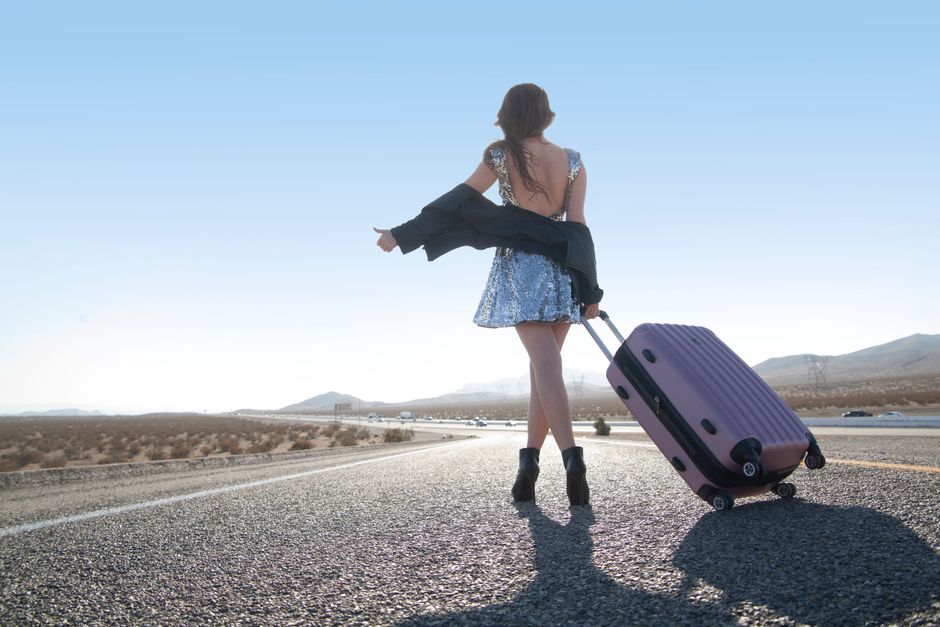
I’ve spent 14 months solo across Colombia, Peru, Bolivia, Chile, Argentina, Ecuador, Brazil, and Uruguay. I got pickpocketed once in Buenos Aires. I avoided a kidnapping attempt in Medellín. I also had 400 incredible days that made it all worth it. Here’s exactly what I learned about staying safe.
Your Gut Is Smarter Than Any Safety App
I ignored my gut exactly once—in a Medellín taxi that took a wrong turn at 11pm. The driver locked the doors. I screamed until he stopped and let me out. Never again.
Your intuition processes micro-cues your conscious mind misses. That slightly-too-friendly hostel receptionist. The bus that’s half-empty but the driver insists you sit in the back. The guy who “just happens” to be going to the same museum as you.
Most dangers aren’t muggings. They’re slow escalations you can walk away from early.
When to say no immediately
- Someone offers to carry your bag without asking
- A taxi driver “doesn’t have change” for a large bill
- A stranger insists you try their “special” drink
- The hostel owner suggests you move to a “quieter” room far from others
I walked out of three hostels in two weeks in Colombia because the vibe felt wrong. Lost deposits each time. Worth every peso.
Transportation: The Most Dangerous Part of Solo Travel
Buses in South America kill more tourists than criminals do. I’m not exaggerating. Night buses in Peru and Bolivia have notoriously bad drivers and winding mountain roads with no guardrails.
My rule: never take a night bus alone. I broke it once on a 12-hour ride from La Paz to Uyuni. The driver fell asleep at the wheel for three seconds. I felt the drift. Never again.
What I actually use
| City | Safe option | Cost | Why |
|---|---|---|---|
| Bogotá | Uber (not taxi) | $3-8 | Tracked, rated drivers, no cash needed |
| Buenos Aires | Easy Taxi app | $4-10 | Registered cabs only, pay by card |
| Lima | Uber or Cabify | $5-12 | Official airport taxis overcharge 3x |
| São Paulo | 99 app | $3-7 | More drivers than Uber, faster pickup |
In smaller towns without ride-hailing, I ask my hostel to call a radio taxi—a registered company, not a random car. I always text the license plate to a friend.
Bus safety checklist
- Book with Cruz del Sur (Peru) or Pullman (Chile)—they have better maintenance records
- Always take the first floor seats near the driver
- Never accept food or drink from strangers on long hauls—scopolamine is real
- Keep your daypack on your lap, not overhead
Scams That Target Solo Women Specifically
I’ve had more scam attempts than actual threats. Here are the three I see most often.
The “friend” who becomes possessive
You meet a guy at a hostel bar. He’s charming, buys you drinks, offers to show you the city tomorrow. By day three, he’s asking where you’re staying, who you’re messaging, why you’re talking to other travelers. This isn’t romance—it’s isolation grooming. I’ve watched it happen to three women in Cusco alone.
Verdict: If a local contact gets controlling within 48 hours, cut contact. No explanation needed.
The fake police officer
In Buenos Aires, a man in a fake uniform stopped me on the street, flashed a badge, and demanded to see my wallet for “drug checks.” I said no and walked into the nearest cafe. He didn’t follow.
Real police in South America rarely stop tourists on the street. If someone claims to be police, ask for their station number and say you’ll call the tourist police. Scammers vanish.
The “your hostel is closed” trick
At 11pm in Quito, a taxi driver told me my hostel had closed permanently and offered to take me to his “cousin’s place” for $30. I called the hostel from my phone. They were open. He dropped me off and sped away.
Always have your hostel’s number saved offline. Download Maps.me for offline maps so you never need to ask for directions.
Accommodation: How to Pick a Safe Hostel or Hotel
I’ve stayed in 60+ places across South America. The cheapest option is rarely the safest—but the most expensive isn’t either.
Here’s my screening process:
- Check recent reviews (last 3 months) on Hostelworld or Booking.com. Look for solo female reviewers specifically.
- Read the negative reviews. If multiple women mention feeling unsafe or staff being creepy, skip it.
- Message the property before booking. Ask about 24-hour reception, lockers, and security. Their response speed tells you everything.
- Book a female-only dorm if available. Selina and Viajero hostels usually have them.
In 2026, more hostels are offering female-only floors with keycard access. Selina Medellín and Viajero Bogotá both have excellent setups. I paid $18/night for a female dorm in Selina and never worried about my stuff.
When NOT to stay in a hostel
If you’re arriving after 10pm in an unfamiliar city, book a private room for the first night. Hostel dorms at midnight with a bunch of drunk strangers is a bad start. I use Booking.com for last-minute private rooms—filter by “top reviewed” and above $25/night for basic safety.
Packing Items That Actually Improve Safety
Not the self-defense keychains or whistle. Those get confiscated at airport security and won’t help when you’re three blocks from your hostel at 2am.
What I actually carry:
- A doorstop alarm ($12 on Amazon, brand: Addalock). Slides under any hotel door. If someone tries to push it open, the alarm shrieks at 120dB. I used it every single night.
- A Pacsafe portable safe ($35, 3L size). Locks around a bed frame or pipe. I kept my passport, backup card, and phone in it while sleeping or showering.
- A crossbody bag with slash-proof strap (Travelon Anti-Theft Crossbody, $45). The strap has wire mesh inside. Someone tried to cut it in a Lima market. The blade bounced off.
- A cheap burner phone (Motorola Moto G, $60 unlocked). I used my real phone at hostels and carried the burner for daytime navigation. If it got stolen, I lost $60, not $800.
One thing I never pack: a money belt. They scream “tourist” when you dig into your waistband at a market. I used a hidden pouch under my shirt (brand: Lewis N. Clark, $15) and kept daily cash in my front pocket.
The Truth About Solo Travel Risk: What the Statistics Actually Say
Here’s what nobody tells you: you are statistically safer as a solo female traveler in South America than in many US cities. The murder rate in Buenos Aires is lower than in Chicago. Rio’s tourist areas have more police per capita than Manhattan.
The real risk isn’t violent crime—it’s petty theft and opportunistic scams. 90% of incidents I heard about from other travelers were pickpocketing, bag snatching, or overcharging. Zero murders. Zero kidnappings (outside of one very specific Medellín dating app scam that made international news).
I’m not saying it’s risk-free. I’m saying the fear is worse than the reality. I spent my first month in Colombia terrified of everything. By month three, I was taking local buses in Bolivia without a second thought.
The women who struggle are the ones who never learn to trust their own judgment. The ones who succeed are the ones who stay alert but not paranoid, who make friends but keep boundaries, who carry a doorstop and a backup plan—and then forget about both because they’re too busy having the time of their lives.
I can’t promise you’ll be safe. I can promise you’ll be smarter after the first week than you were before you left. That’s the real safety skill.
I’ve spent 14 months solo across Colombia, Peru, Bolivia, Chile, Argentina, Ecuador, Brazil, and Uruguay. I got pickpocketed once in Buenos Aires. I avoided a kidnapping attempt in Medellín. I also had 400 incredible days that made it all worth it. Here’s exactly what I learned about staying safe. Your Gut Is Smarter Than Any…