
Family-Friendly Castles in Wales for Easier Days Out

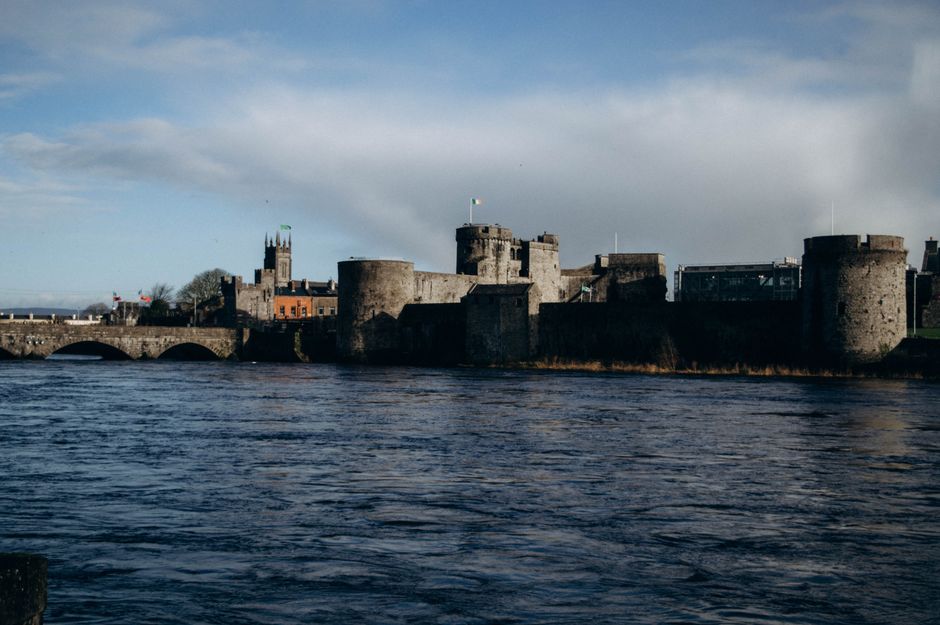
A common misconception is that a family-friendly castle must be easy for a pushchair, suitable for toddlers and packed with activities. Medieval castles were built for defence, not level access. Towers have stairs, courtyards have uneven stone, and high walls can make supervision harder than parents expect.
The best family choice is therefore the castle that matches your children’s ages, walking ability and patience. Caerphilly suits families who want space and a dramatic setting. Conwy works well for older children who enjoy walls and town history. Kidwelly offers a lower-cost visit, while Raglan is the strongest choice for families who prefer grand rooms and a slower historical walk.
Online prices may be lower, and opening hours, access arrangements and temporary closures can change.
Which Welsh castles are best for families?
The strongest family-friendly castles are not identical. Some offer broad grounds and visual drama. Others have better town access, shorter visits or a lower admission price. The table gives a practical starting point for choosing one.
Family castle comparison for 2026
| Castle | Best family use | Family ticket | Main limitation |
|---|---|---|---|
| Caerphilly Castle | First castle visit, open space and large-scale walls | £41.30 for 2 adults and up to 3 children | Large site, pay-and-display parking and some uneven routes |
| Castell Conwy | Older children who enjoy towers, walls and town history | £41.30 for 2 adults and up to 3 children | Many stairs, narrow passages and limited options for pushchairs |
| Raglan Castle | Families interested in grand rooms, towers and countryside views | £33.30 for 2 adults and up to 3 children | Upper levels require walking ability; building work may affect parts of the visit |
| Kidwelly Castle | Budget-conscious families and a shorter historic stop | £28.50 for 2 adults and up to 3 children | Upper levels are limited to walkers, with steep and uneven sections |
The clear winner for a first visit
Caerphilly Castle is the best first choice for most families. Its scale creates an immediate sense of adventure, and children can understand the basic story quickly: huge walls, water defences, towers and a leaning tower. The site also has a Great Hall and digital interpretation following major conservation work. It gives adults enough history to enjoy without requiring children to stand quietly in small rooms for an hour.
For a cheaper visit, Kidwelly is the better verdict. Its family ticket is £12.80 less than the listed price at Caerphilly or Conwy. That difference matters when a family is testing whether castles suit a young child.
What does family-friendly really mean at a castle?
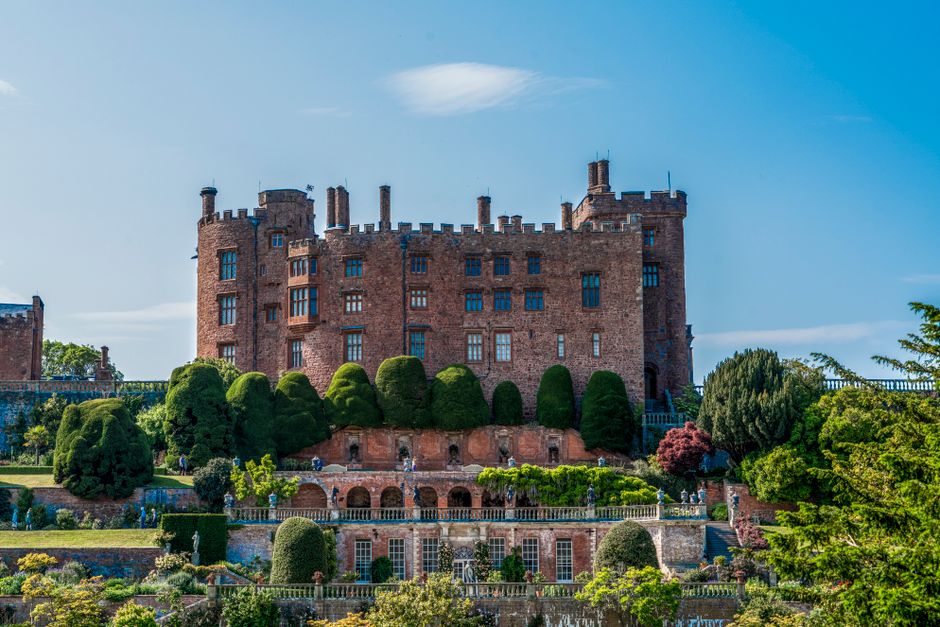
Family-friendly describes the whole visit, not a special attraction. A castle earns that label when adults can manage the practical demands: toilets, food, weather, tired legs, supervision and a clear exit plan.
Is a pushchair enough for a young child?
A pushchair helps on approach paths, but it does not solve stairs, cobbles or narrow doorways. Bring a lightweight carrier if your child may need to be carried. Check the site’s access guide before travelling, because “accessible” often applies to the visitor centre or lower route rather than every tower and wall walk.
Children under five can enter Cadw sites free at the listed locations, but free entry does not remove the physical challenge. A two-year-old may enjoy a gatehouse for twenty minutes and then need a snack, a nap or a quick route back to the car.
How long should a family castle visit last?
Plan for 60 to 90 minutes with younger children and two hours with older children who want to read panels, climb towers and explore walls. That time limit is a useful safeguard. It prevents the adult goal of “seeing everything” from turning a promising outing into a dispute over every staircase.
The best family schedule has one main castle, one food stop and one nearby open space. Two major castles in a single day usually works only for families with older children and a clear transport plan.
Which castle suits your family’s actual needs?
My strongest recommendation is to choose by family problem, not by fame. The famous castle on the postcard may be the wrong site for a tired three-year-old, while a less celebrated fortress can produce the better day.
Choose Caerphilly for space and visual impact
Caerphilly is the best pick for a first-time family visit or a mixed-age group. The huge footprint gives children room to look around, and the water defences make the basic story easy to explain. The leaning south-east tower supplies a memorable detail that does not depend on a long history lesson.
Do not treat the large grounds as fully child-proof. Water, walls, traffic around the town and uneven surfaces still require close supervision. The castle’s scale is an advantage, but it also means a child who wanders can disappear from view quickly.
Choose Conwy for medieval walls and town access
Conwy is the best choice for school-age children who like climbing, maps and stories about fortified towns. The castle sits in the centre of Conwy, so a family can combine it with a short town walk rather than driving between isolated attractions. The surrounding walls add context: children can see that the castle was part of a wider defensive settlement.
The trade-off is physical access. Conwy has stairs, narrow routes and uneven stone. It is a poor choice for a pushchair-dependent visit or for anyone who cannot manage repeated steps. Its listed family ticket is £41.30, matching Caerphilly for the same family group.
Choose Raglan or Kidwelly for a calmer history visit
Raglan is the better choice for children who respond to rooms, towers and the idea of a castle changing from fortress to grand residence. Its Great Tower and long-gallery history support a richer explanation than a simple “knights lived here” story. The listed family price is £33.30. Check the official visitor notice before travelling because scaffolding or conservation work may affect parts of the site.
Kidwelly is the practical budget option. Its listed family price is £28.50, and the castle can work well as a shorter stop on a south-west Wales route. Cadw states that buggy access is available in the visitor centre and monument, while access to upper levels is limited to walkers. That makes it more manageable than some larger castles at ground level, but not fully step-free.
How should parents plan a castle day?
Plan around the child most likely to struggle, not the adult most eager to explore. That single decision improves the day more than adding another attraction.
A practical three-step plan
- Check access before paying. Read the current access guide, look for stairs and steep approaches, and confirm whether toilets, parking and baby-changing facilities are available. A family ticket is poor value if the main route cannot be used by everyone in the group.
- Set a hard visit length. Tell children that the visit has three parts: the entrance and story, the best tower or wall route, and a final free-exploration period. When the final part ends, leave before hunger turns into a negotiation.
- Build in weather protection. Welsh weather can change quickly. Pack waterproof layers, shoes with grip, water and food that can be eaten outside. Do not rely on a café being open or on every courtyard offering shelter.
Common mistakes that spoil the visit
- Arriving just before closing and discovering that last admission is earlier than the advertised closing time.
- Choosing a high-wall castle for a child who dislikes stairs because the photographs looked impressive.
- Assuming a family ticket covers every nearby attraction or special event.
- Booking a non-refundable online ticket before checking the forecast, access notice or travel time.
- Trying to visit several large castles without allowing time for food, toilets and a proper break.
Cadw’s standard seasonal hours often run from 9:30am to 5pm, with longer summer hours and shorter winter hours. Each site sets its own details, so confirm them on the day before travelling. Online booking may offer a 5% saving, but the lower price is not useful if plans are likely to change.
A common misconception is that a family-friendly castle must be easy for a pushchair, suitable for toddlers and packed with activities. Medieval castles were built for defence, not level access. Towers have stairs, courtyards have uneven stone, and high walls can make supervision harder than parents expect. The best family choice is therefore the castle…