
Spring Lambing Farm Visits for Families in England

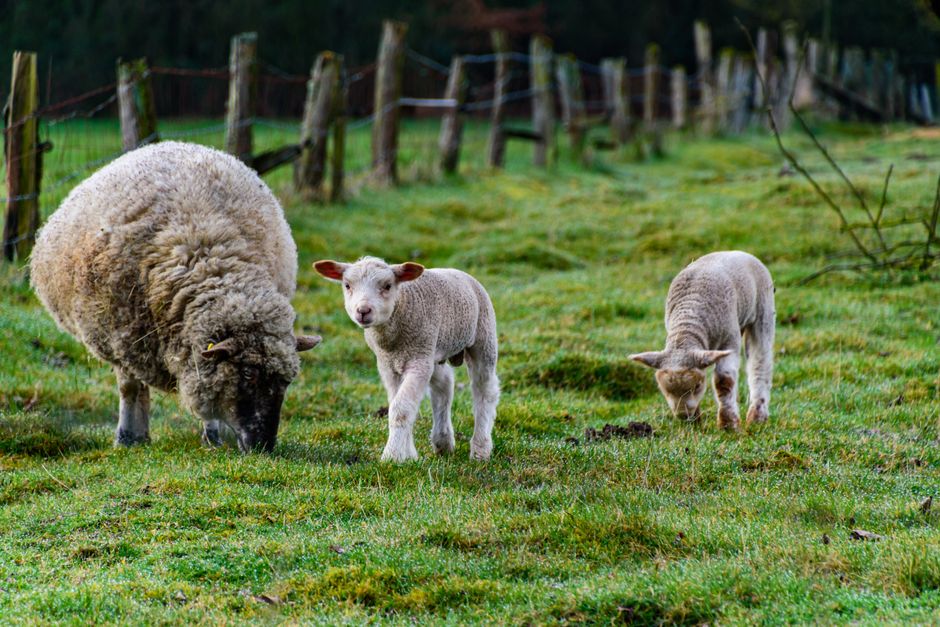
Are you planning a family day out in England and wondering if a lambing visit will deliver more than a muddy walk and a long queue? It can, but only when you choose the right type of farm, book around the lambing calendar, and prepare children for a working farm rather than a petting zoo. The strongest visits combine newborn animals with short talks, indoor space, clear safety rules, and enough activities to keep a tired toddler happy. This guide compares the practical options, shows what families can expect, and explains how to avoid paying for an event that does not match your children’s ages.
Is a spring lambing visit worth it for families?
The clear family verdict
Yes. A good lambing visit gives children something a standard farm park cannot: a close view of how farmers care for ewes and newborn lambs during one of the busiest parts of the year. The experience feels real because the animals set the timetable. You may see a ewe being checked, a lamb taking its first steps, or a farmer explaining why twins need extra care. That unpredictability is the attraction.
What you will and will not see
Do not book on the promise of watching a live birth. Farms cannot schedule an animal’s labour for visitor convenience, and responsible staff will not disturb a ewe to create a better view. You are more likely to see healthy newborn lambs, expectant ewes, feeding demonstrations, lambing pens, and staff talks. For younger children, that is usually enough. The best family choice is a farm with a viewing area and indoor activities, because rain, cold, and a quiet lambing hour can otherwise turn a two-hour visit into an expensive disappointment. Choose the venue for the whole day, not one dramatic moment.
When do lambing visits take place in England?
Why February and March are the main months
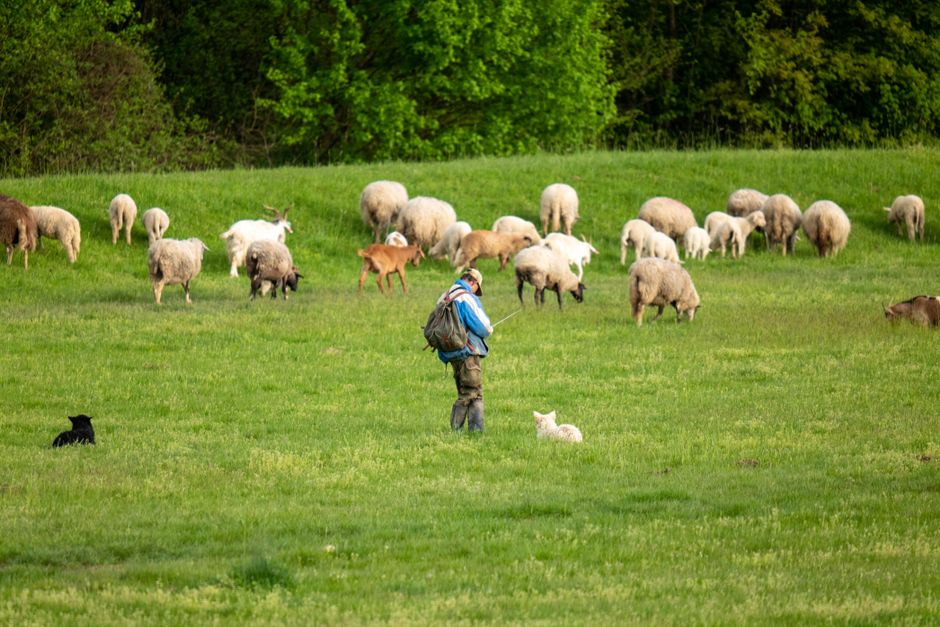
Most public lambing events cluster around February, March, and the Easter period, although each farm follows its own breeding calendar. February half-term is especially popular because many farms expect a high number of births then. In 2026, Rand Farm Park listed Lambing Live for 14–22 February, followed by weekends on 28 February–1 March and 7–8 March. Reaseheath College listed lambing and mini-zoo dates on 28 February, 1 March, 7 March, and 8 March. These dates show the usual pattern: a short run of peak-season sessions rather than a daily event throughout spring.
How the lambing timetable affects your visit
Early-season visits may show pregnant ewes and the first newborns. Peak weeks usually offer the best chance of seeing several age groups, but they also bring more visitors and tighter ticket capacity. Later Easter events can be easier for school-holiday planning, yet many lambs may already be outside with their mothers. That is not a downgrade; it gives children a better view of natural flock behaviour. Ask the farm three questions before booking: how many lambs are currently on site, which areas are open, and whether feeding or farmer talks run at fixed times. A farm’s answer should be specific. “There will be animals” is not a useful schedule.
Why the date on the ticket is not a guarantee
Weather, animal welfare, staffing, and birth rates can change the programme. A storm may close a field route. A ewe may need a quiet pen. Bottle-feeding may stop when lambs no longer need supplementary milk. Treat the published date as a confirmed visitor session, not a guarantee of a particular animal encounter. That simple distinction prevents most family complaints.
Which English farms offer the strongest family value?
A practical 2026 comparison
The table below compares published 2026 examples. Prices and dates change, so check the official booking page before travelling. The verdict is straightforward: Park Hall Farm suits families wanting a full indoor-and-outdoor day, Reaseheath suits children who want education alongside animals, and Rand Farm Park is the strongest choice for a planned bottle-feeding session.
How to read the price properly
A low admission price is not automatically better value. Check what the ticket includes, whether parking is free, and whether tractor rides, talks, play areas, or the mini zoo cost extra. A family ticket can beat four individual tickets, while an online discount may disappear if you need to change dates. Cannon Hall Farm’s published admission includes talks, play areas, tractor rides, and animal attractions. Rand Farm Park includes Lambing Live in standard admission and lists bottle feeding at scheduled times. For a full day, included activities matter more than a small difference in the headline ticket price.
How should you plan a family lambing day?
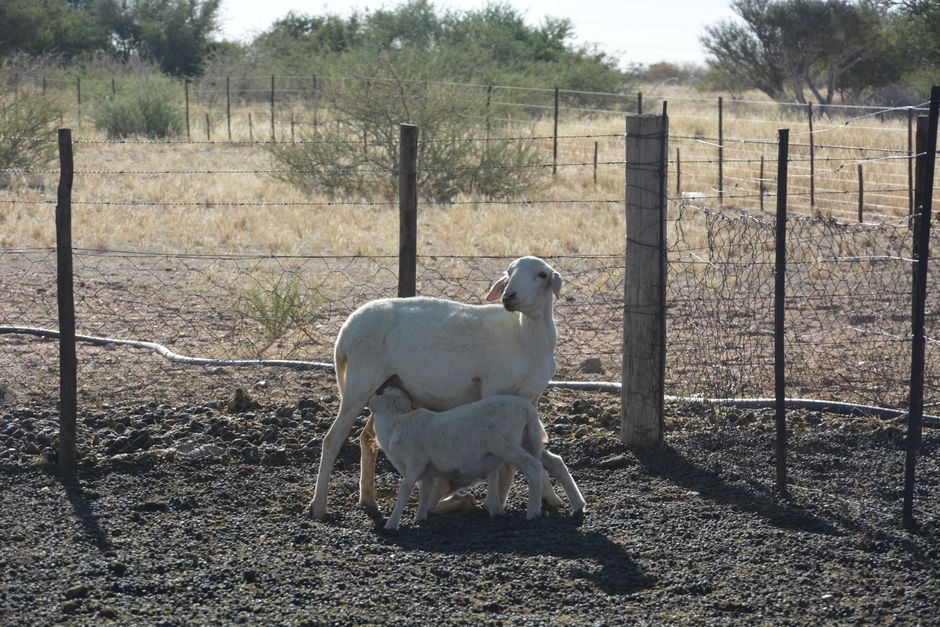
A five-step booking plan
- Pick the age match first. Toddlers need short walks, toilets, food, and indoor space. Older children may prefer a working farm, a talk, or a chance to ask staff questions.
- Check the exact session. Some farms run timed talks or bottle feeds. Book a morning slot when children are rested and staff are likely to be active.
- Budget the full cost. Add admission, parking, food, fuel, and any paid rides. A £33 family ticket at Reaseheath is clear value only if the included activities suit your group.
- Plan for mud and rain. Look for indoor barns, soft play, cafes, and covered viewing points. Do not assume every public footpath will stay open after wet weather.
- Set expectations before arrival. Tell children that animals may be sleeping, feeding, or kept behind a barrier. They can watch without touching.
The best arrival strategy
Arrive 20–30 minutes before the first activity you care about. This leaves time for parking, toilets, boots, and a calm explanation of the site rules. Start with the lambing area while everyone is interested, then use play areas or a farm walk as a change of pace. Keep the visit flexible. A child who has just seen a newborn lamb may remember that moment more clearly than a packed itinerary of six attractions.
What should children wear and bring to a farm?
Choose protection over appearance
Wear washable layers and proper waterproof footwear. This is the one decision that most affects the day. Wellington boots or waterproof walking shoes, trousers that can get dirty, a warm mid-layer, and a waterproof coat cover the common conditions. Add spare socks and trousers for children under five. Pushchair wheels collect mud quickly, so a simple wipe or old towel earns its space in the car.
The useful packing list
- Hand wipes for the journey home, but not as a replacement for soap and running water.
- A sealed water bottle and snacks eaten only in the farm cafe or picnic area.
- Sun cream and a hat for bright spring days; lambing barns can still feel cold.
- A small notebook for children who want to record breeds, feeding times, or questions for a farmer.
- Spare clothes stored in a waterproof bag.
Leave open-toed shoes, loose scarves, and valuable clothing at home. Do not bring food into animal areas, and do not let children hold a lamb unless staff specifically offer a supervised activity. The consumer-friendly choice is simple: spend money on dry clothes and a good lunch, not novelty farm merchandise. Children stay happier when they are warm, fed, and able to move at their own pace.
What safety and health rules matter at lambing events?
Can children touch the animals?
Only when staff invite them to do so. Animal areas contain dirt and germs that are not visible, even when animals look healthy. The UK government advises washing hands with soap and running water after touching animals, fences, or surfaces in animal areas, and before eating or drinking. Hand gel and wipes are not a full substitute. Keep children close near pens, gates, tractors, and moving farm equipment.
Can pregnant visitors attend?
Pregnancy needs extra care during lambing. Contact with sheep giving birth, newborn lambs, or birth material can carry infection risks, including toxoplasmosis. Policies vary by venue. Farmer Palmer’s states that pregnant visitors may attend its farm park but advises them to avoid contact with placenta; other farms may restrict access to active lambing areas. Check the venue’s current pregnancy guidance before paying, and follow advice from a midwife or doctor if there is any doubt.
What mistakes cause the most trouble?
- Eating in the animal area instead of the designated cafe or picnic zone.
- Letting children kiss, cuddle, or pick up animals without permission.
- Ignoring a one-way system because a child wants a closer photograph.
- Leaving dirty boots and pushchair wheels in the car without cleaning them.
- Booking a ticket on the assumption that a live birth is guaranteed.
These rules are not decoration. They protect visitors, staff, and animals, and they make the experience calmer for everyone.
Are you planning a family day out in England and wondering if a lambing visit will deliver more than a muddy walk and a long queue? It can, but only when you choose the right type of farm, book around the lambing calendar, and prepare children for a working farm rather than a petting zoo.…