
Europe Train Tips With Toddlers: Seats and Snacks

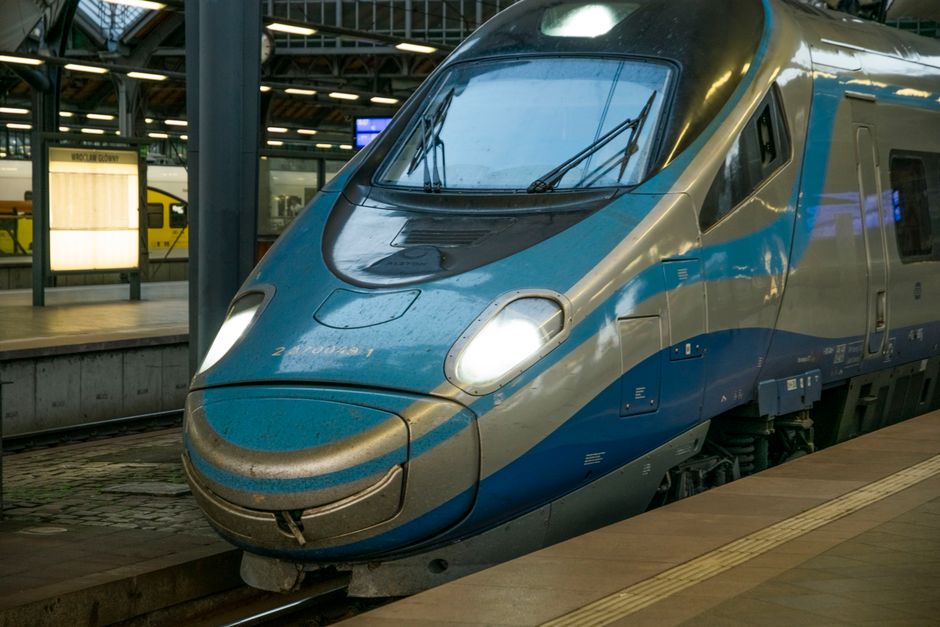
The best seat for a toddler is not always the one beside the window. A window seat can trap a child when the toilet is several carriages away, while an aisle seat gives you faster access to snacks, bags, and the exit. For most daytime trips, the winning setup is a table of four with one adult beside the aisle and the toddler facing the table.
Seat reservations and family areas vary by operator, so treat the examples below as planning benchmarks rather than fixed rules. Fares, carriage layouts, and reservation charges change by route and date.
Which Train Seat Is Best for a Toddler?
Choose a table of four for meals and movement
For a toddler who eats, colors, plays, and naps in short bursts, a table seat beats a standard pair. The table creates a clear boundary for cups and small toys. It also gives you space to serve food without balancing everything on your lap. Book two seats facing two seats when possible, with the toddler beside the calmer adult and the second adult in the aisle position.
This layout works particularly well on SNCF TGV INOUI and Deutsche Bahn ICE services, where carriage plans show different seat blocks during booking. On Eurostar, the exact table layout depends on the train and coach, so check the seat map instead of assuming every coach has the same arrangement.
Use this comparison before paying for a reservation
| Train service | Useful family feature | Best seat choice | Planning benchmark |
|---|---|---|---|
| Eurostar Standard | Assigned seats and large luggage areas | Table of four near the toilet, but not directly beside the door | Allow 10-15 minutes to board and settle before departure |
| SNCF TGV INOUI | Some trains offer family-friendly seating areas | Table of four on daytime routes | Reserve early; seat layouts vary by trainset |
| Deutsche Bahn ICE | Family areas or family compartments on selected services | Family area for active toddlers; aisle seat for easy toilet access | Seat reservation is often around €5.50 per train in standard class |
| Eurail Global Pass | Useful for multi-country rail planning | Reserve the exact train and seat before travel | International reservations often add roughly €10-€40 per passenger |
My clear pick: book a table of four near, but not beside, the toilet. The small premium is usually worth it on a ride longer than two hours.
How Should You Time Snacks on a Long Train Ride?
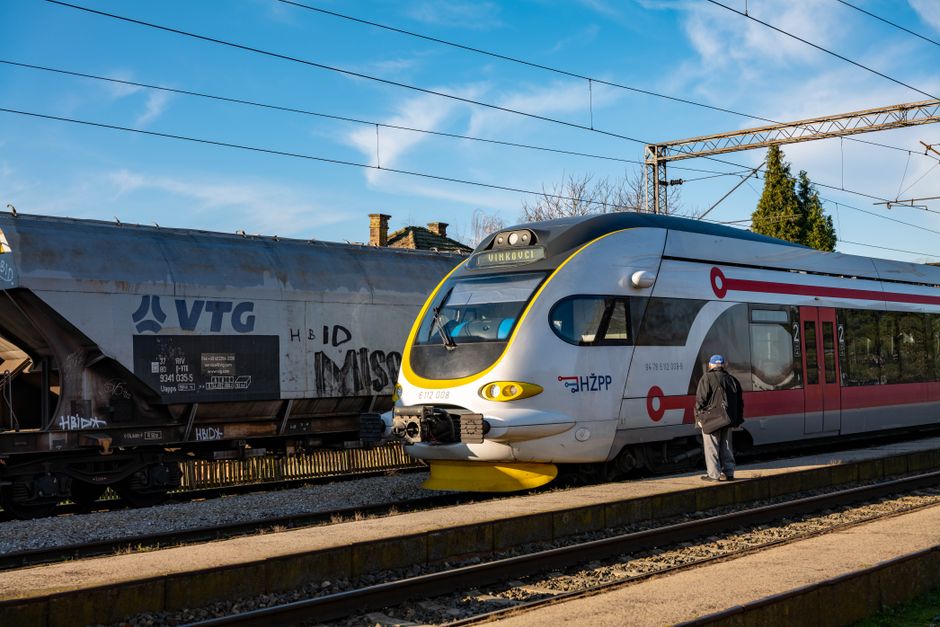
Feed before the first restless stretch
Do not wait for a toddler to announce hunger. Offer a small snack 20-30 minutes after departure, once bags are stored and the train has left the station. This prevents the common pattern of boarding with an excited child, waiting through the first stop, and then trying to unwrap food during a toilet rush.
The strongest rhythm is small food every 60-90 minutes, with water offered between snacks. Keep the first snack familiar and low-mess. Save one special item for the middle of the trip, when the novelty of the train has worn off and the child needs a fresh reason to stay seated.
Use stops as timing markers
Plan around stations rather than the clock. If the train leaves Paris at 9:00 and reaches Brussels at 10:30, serve breakfast before boarding, a dry snack around 9:30, fruit or a sandwich near 10:15, and lunch after arrival. On a four-hour route, divide food into three small portions instead of presenting one large lunch box at the start.
Pack food in separate portions so one spill does not ruin the whole supply. Good choices include banana pieces, oat bars without a chocolate coating, crackers, cheese cubes in a sealed tub, and a soft sandwich cut into small squares. Avoid new foods, sticky sauces, loose berries, and drinks with caps that a toddler cannot close. The best snack plan is boring, familiar, and spread across the journey.
Which Seat Features Prevent Toddler Meltdowns?
Put access ahead of the view
A clear view helps, but access matters more. Pick a seat within one carriage of a toilet when the booking system shows carriage numbers. Avoid the seats directly beside the toilet door because the noise, foot traffic, and automatic door can interrupt a nap. An aisle seat gives an adult room to stand quickly, but the toddler should not sit on the aisle without an adult between the child and passing passengers.
On Deutsche Bahn ICE trains, a marked family area or family compartment is the best choice for a toddler who struggles to stay quiet. It gives the child more tolerance for normal movement and makes other passengers less likely to react to every sound. On ÖBB Nightjet, a private family compartment can make sense for an overnight route, but it is a poor value for a short daytime journey where a regular table seat solves the problem.
Check the stroller and luggage plan before choosing seats
Do not choose seats first and solve the stroller later. A full-size stroller may not fit near your seats, and a crowded luggage rack can force you to leave bags several metres away. Measure the folded stroller, including wheels, and check the operator’s luggage guidance before booking. A compact travel stroller under roughly 55 centimetres when folded is easier to place, but the exact limit depends on the operator and carriage.
Keep one small day bag at your feet with nappies, wipes, spare clothes, snacks, water, and a plastic bag for rubbish. Put the main suitcase overhead or in the luggage rack. The adult beside the toddler should not also be responsible for a large suitcase, a stroller, and every snack.
Reserve the quietest practical location
For a nap, the middle of the carriage is often steadier than the area beside doors. For an active toddler, the opposite is true: a seat nearer the end of the carriage makes short standing breaks easier. Choose based on the child you actually travel with, not the child you hope will sit still.
Best overall verdict: for a daytime European train, choose a table of four, place the toddler beside the window or wall, keep an adult on the aisle, and stay close to—but not next to—the toilet.
Mistakes That Make Train Days Harder
Fix these problems before boarding
- Booking four isolated seats: A toddler cannot manage a long journey when both adults sit several rows away. Check the seat map and confirm that the seats are together before paying.
- Leaving the toilet visit until departure: Use the station toilet before boarding, even if the child says no. The first 20 minutes are usually the busiest time for parents.
- Bringing one large food box: A single open container invites spills and lets a child finish everything too early. Pack four or five small portions instead.
- Relying on the café car: A café may close, run out of child-friendly food, or sit several carriages away. Treat it as a backup, not the meal plan.
Know when a different travel plan is better
Do not book a seven-hour daytime train simply because it looks cheaper. A toddler who sleeps well at night may handle an overnight service better, while a child who wakes easily may need a daytime route with planned breaks. A private compartment can reduce pressure, but it does not remove the need for food, water, and toilet planning.
Skip a tight connection when the first train arrives at a large station and you still need an elevator, a stroller, and a platform change. A 25-minute connection that works for one adult may be too short for a family. Pay for a later train if it buys you a wide margin and a calmer transfer. The cheapest ticket is not the cheapest trip when a missed connection creates a new booking.
Toddler Train Questions, Answered Before Booking
Is a window seat or aisle seat better?
For the toddler, choose the window or wall seat. For the adult managing the trip, choose the aisle. This combination keeps the child away from passing bags and gives the adult fast access to the toilet, luggage, and platform. If the child is likely to nap, avoid a seat beside the door even when it is technically an aisle seat.
Should I buy a Eurail Global Pass for a family trip?
Buy a Eurail Global Pass only when you plan several long rail journeys and value flexible changes. It does not remove every reservation fee, and popular services such as Eurostar still need advance planning. For one or two point-to-point trips, ordinary advance tickets are usually simpler and can cost less. The pass is useful for a multi-country itinerary, not as a shortcut around seat reservations.
Which train operator is easiest with a toddler?
For a daytime trip, my pick is Deutsche Bahn ICE when the selected service shows a family area or family compartment. That space matters more than a slightly lower fare. SNCF TGV INOUI is also strong when you can reserve a table of four. Eurostar is convenient for crossing the Channel, but its fixed journey and assigned seating make it especially important to reserve seats together early.
Give the toddler a familiar snack shortly after departure, keep one adult on the aisle, and choose a table of four near the toilet without sitting beside the door.
The best seat for a toddler is not always the one beside the window. A window seat can trap a child when the toilet is several carriages away, while an aisle seat gives you faster access to snacks, bags, and the exit. For most daytime trips, the winning setup is a table of four with…