
Packing List Winter Iceland: Packing List for a Two-Week Winter Trip to Iceland: What I Actually Bring

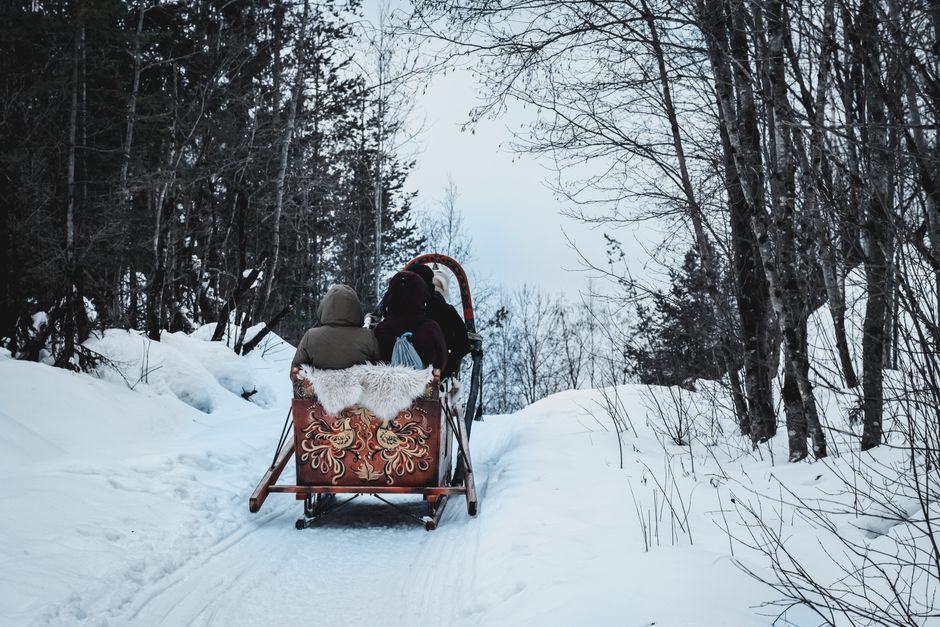
I spent 14 days driving the Ring Road in February. Snow. Wind. Rain. Sleet. Sun. All in one afternoon. My suitcase weighed 9kg carry-on only. Here’s exactly what I packed, what I ditched, and what I wish I’d left at home.
Layer 1: The Base Layer That Makes or Breaks Your Trip
Cotton kills. That’s not a slogan — it’s a fact. Wet cotton in Icelandic wind drops your core temperature fast. I used two sets of merino wool tops and bottoms from Icebreaker (200gm Oasis Crew, $90 each) and Smartwool (150gm Classic Thermal, $75).
Why merino? It wicks sweat, doesn’t smell after a week, and dries overnight if you wring it in a towel. I wore one set while the other air-dried on the van’s heater vent.
One mistake I made: bringing a 250gm weight for sleeping. Too hot for daytime hiking, too bulky. Stick to 150–200gm. For sleeping, I added a Patagonia Capilene Thermal Weight top ($89) as a mid-layer. Worked perfectly.
Don’t buy cheap synthetic base layers. I tried a $25 Amazon Essentials set on a previous trip. After three days, the smell was unbearable. Merino costs more but lasts years. Worth every penny.
Layer 2: The Mid-Layer That Actually Traps Heat
Most people bring a fleece. I bring a Patagonia Nano Puff Hoody ($249). It’s synthetic down — warm when wet, packs to the size of a cantaloupe, and survived being stuffed into a backpack daily for two weeks.
The Arc’teryx Atom LT Hoody ($260) is the runner-up. Slightly more breathable, slightly less packable. I’d pick the Nano Puff for Iceland because you’re often standing still (taking photos of waterfalls) and need that extra warmth.
What I left behind: a bulky fleece jacket. Took up half my bag, rarely wore it. The synthetic puffy does the same job in a third of the space.
One weird trick: bring a thin down vest for evenings. I used a Uniqlo Ultra Light Down Vest ($50). Under the shell jacket, it added 10°C of warmth without restricting arm movement for driving.
Layer 3: The Shell That Keeps You Alive
Iceland’s wind is not normal. It knocks you sideways. A rain jacket with a hood that doesn’t flap off is non-negotiable.
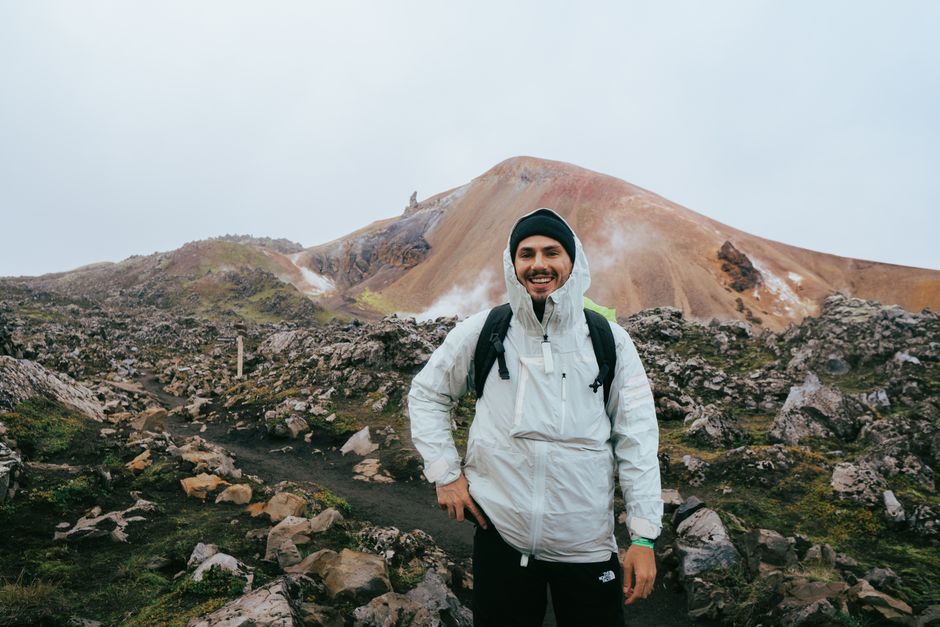
I wore the The North Face Apex Flex GTX 2.0 ($350). Gore-Tex, pit zips, helmet-compatible hood that cinches tight. The pit zips saved me during hikes when I heated up but needed to keep the rain out.
Your shell needs to be waterproof, not just water-resistant. I saw tourists in cheap ponchos getting soaked at Seljalandsfoss. Their hoods blew off. They looked miserable.
Don’t bring a ski jacket. Too insulated, too bulky, and you’ll overheat the second you walk uphill. A hardshell with a mid-layer is more flexible.
For pants, I used Outdoor Research Foray Pants ($179). Full side zips so I could take them off over boots. Waterproof, breathable, and the waistband worked with a harness (not that I used one, but the design is smart).
Footwear and Accessories: The Non-Negotiables
I brought one pair of boots: Lowa Renegade GTX Mid ($245). Broke in over three months before the trip. Waterproof, ankle support, Vibram sole for ice. I walked 12km on a frozen glacier tongue in these — no blisters.
What I didn’t bring: hiking shoes for dry days. Never needed them. The boots worked for everything.
For microspikes, I bought Kahtoola MICROspikes ($75). Essential for ice. I fell once without them on a path near Jökulsárlón. After putting them on, zero slips. They fit over the Lowa boots perfectly.
Gloves: Two Pairs, Not One
Thin liner gloves for driving and phone use: Smartwool Liner Gloves ($30). Touchscreen-compatible, but barely. I ended up taking them off to type anyway.
Thick mittens for standing at waterfalls: Hestra Heli Ski Gloves ($120). Overkill for most, but my fingers stay warm in -10°C with wind. If you run cold, get mittens. If not, a $60 pair of fleece-lined waterproof gloves from Black Diamond works fine.
Neck and Head
A merino buff ($25 from Icebreaker) was my most-used item. Pulled over my face during wind, wrapped around my neck for warmth, used as a sleep mask in the 24-hour daylight of summer (not an issue in winter, but still useful).
Hat: Patagonia Brodeo Beanie ($35). Simple. Warm. Doesn’t itch. That’s all you need.
What I Packed That Was a Waste of Space
I brought a second pair of jeans. Never wore them. Too heavy, too slow to dry. One pair of thermal leggings and one pair of hiking pants would have been smarter.
I brought a DSLR camera. Used my iPhone 15 Pro for 90% of photos. The iPhone handled the low light and wide landscapes well enough. The DSLR stayed in the van.
I brought a travel towel. The campervan had one. Check your accommodation before packing.
I brought a power strip with UK plugs. Iceland uses the same plug type (Europlug, Type C/F). I needed a simple adapter, not a bulky strip.
| Item | Brand/Model | Price | Verdict |
|---|---|---|---|
| Base layer top | Icebreaker Oasis 200gm | $90 | Essential, bring two |
| Mid-layer | Patagonia Nano Puff Hoody | $249 | Best warmth-to-weight ratio |
| Shell jacket | North Face Apex Flex GTX | $350 | Worth the cost for wind |
| Boots | Lowa Renegade GTX Mid | $245 | Perfect for mixed terrain |
| Microspikes | Kahtoola MICROspikes | $75 | Don’t skip these for ice |
Next trip, I’m swapping the Nano Puff for a Patagonia Down Sweater ($299). Slightly warmer, slightly less packable. But for Iceland’s damp cold, synthetic might still win. I’ll test it and report back.
I spent 14 days driving the Ring Road in February. Snow. Wind. Rain. Sleet. Sun. All in one afternoon. My suitcase weighed 9kg carry-on only. Here’s exactly what I packed, what I ditched, and what I wish I’d left at home. Layer 1: The Base Layer That Makes or Breaks Your Trip Cotton kills. That’s…