
Beach Days With Littles: Plan Shade, Toilets, Exits

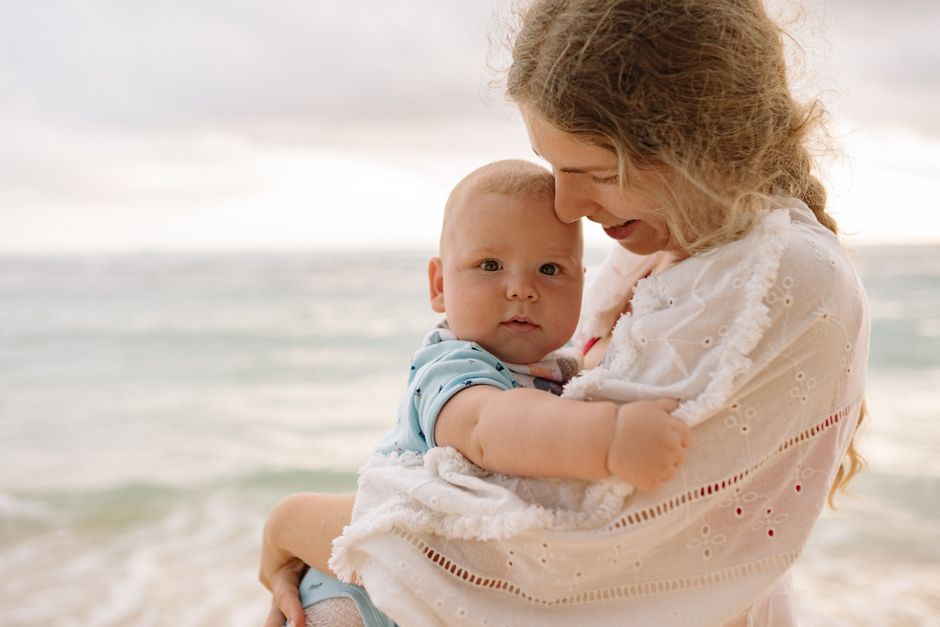
Wet sand can feel far hotter than the air around it, which is why a cheerful beach plan can fall apart before the first swim. With little children, the real challenge is not packing enough toys. It is building a short route from shade to toilet to car before anyone gets hungry, overheated, or tired.
How much shade do toddlers need at the beach?
Start with shade, not the water. A baby or toddler cannot manage heat, glare, wind, and wet clothing as well as an older child, and a beach towel offers almost no protection once the sun moves. Your goal is a shaded base large enough for the whole family to sit, feed, change clothes, and cool down without crawling into the hot sand.
Build a shaded base before unpacking toys
Choose a spot with shade that will still cover your bags two hours later. Check where the sun sits, then look at the direction of the wind and the walking route to the nearest toilet. Keep the shade close enough to reach the water quickly, but far enough back that waves cannot reach your bags. Place a drink, hat, towel, and diaper kit inside the shaded area. Everything else can stay packed.
Use short heat blocks instead of one long beach session
For toddlers, plan a 20-minute water block, a 15-minute shaded snack, and a 20-minute play block rather than six hours of unstructured beach time. Offer water before a child asks for it. Move into shade before flushed cheeks, glassy eyes, unusual quietness, or sudden irritability appear. Those signs mean the break should happen now, not after one more bucket of water.
How do you choose a beach with usable toilets?
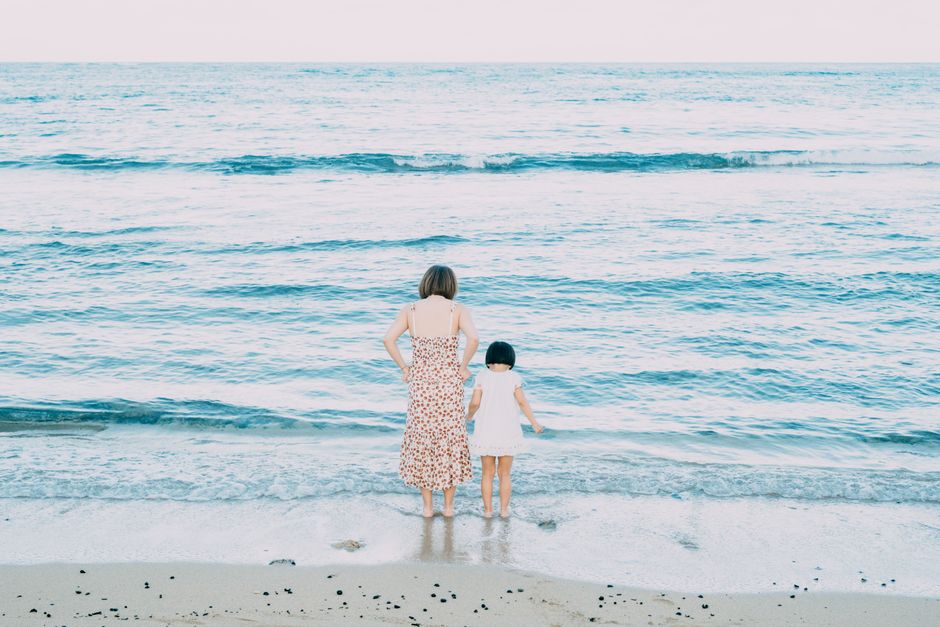
The best family beach is the one with a working toilet, a short walk from the sand, and a parking plan you can handle while carrying a tired child. A beautiful beach with a locked restroom creates more stress than a smaller beach with ordinary facilities.
Check the facilities before leaving home
Use the park or city website, then check a recent map listing and recent visitor photos. Look for the words open, seasonal, accessible, rinse station, changing table, and lifeguard. Call if the toilet matters to your trip. Beach facilities often change with storms, construction, weekends, and holiday crowds.
| Beach feature | Good family target | Why it matters |
|---|---|---|
| Toilet distance | Under 5 minutes on foot | A child can reach it before an accident |
| Rinse station | Within 100 feet of the exit path | Removes sand before shoes and car seats |
| Parking | Under 10 minutes from the sand | Makes a fast exit possible |
| Shade | Natural trees or permitted structures | Gives children a cool reset zone |
| Surface | Firm path or boardwalk | Reduces stroller and wagon trouble |
Choose a second beach before you need it
Save one nearby backup beach in your phone with its own toilet, parking, and weather notes. If the main lot is full, the restroom is closed, or the wind makes shade unsafe, you can switch without arguing in the car. That backup is part of the plan, not an admission that the first choice failed.
What should you pack for shade, toilets, and a fast exit?
Pack for the exit you want, not the beach day you imagine. A short, organized kit beats a large bag filled with items you cannot find.
- Clothing: Give each child a dry outfit in a sealed bag. Add a long-sleeve rash guard, hat, water shoes, and one warm layer for the ride home.
- Exit food: Keep a simple snack and full water bottle in a separate car-ready bag. Do not bury them under the beach gear.
- Car protection: Bring a towel for each child, a small trash bag, and a dry seat cover. These items turn the last ten minutes from a wrestling match into a routine.
Skip the giant toy collection. One bucket, one scoop, and one familiar comfort item create fewer missing-piece arguments when it is time to leave.
How do you set up beach shade safely?
My strongest recommendation: test the shade at home before taking it to the beach. Shade that works in a backyard may fail on loose sand, and a shelter that moves in the wind becomes a hazard instead of a rest area.
Anchor the shelter before children enter it
Read the shelter instructions and check the beach rules first. Fill sand anchors completely, bury them deeply, and pull each line tight before placing bags, towels, or children underneath. Inspect the fabric every 20 minutes. If a corner lifts, the pole bends, or the shelter shifts, move everyone away and take it down. Never add random rocks to a structure unless the maker lists them as an approved anchor.
Pick the right shade for the site
The Neso 1 is the best portable choice for a small family that wants a light carry. Its 7-by-7-foot canopy and 4-pound packed weight suit a short walk from the car. That makes it a poor choice for a sheltered cove with almost no breeze or a beach with gusty weather.
Know when shade is no longer worth saving
If the wind rises, shade stops being a comfort problem and becomes an exit signal. Fold the shelter early, keep one adult on the children, and place poles and anchors together so they do not become loose objects. A plain umbrella or natural tree shade can be the better answer when the beach bans tents, the walk is long, or the forecast calls for unstable wind.
When should you leave the beach with little children?
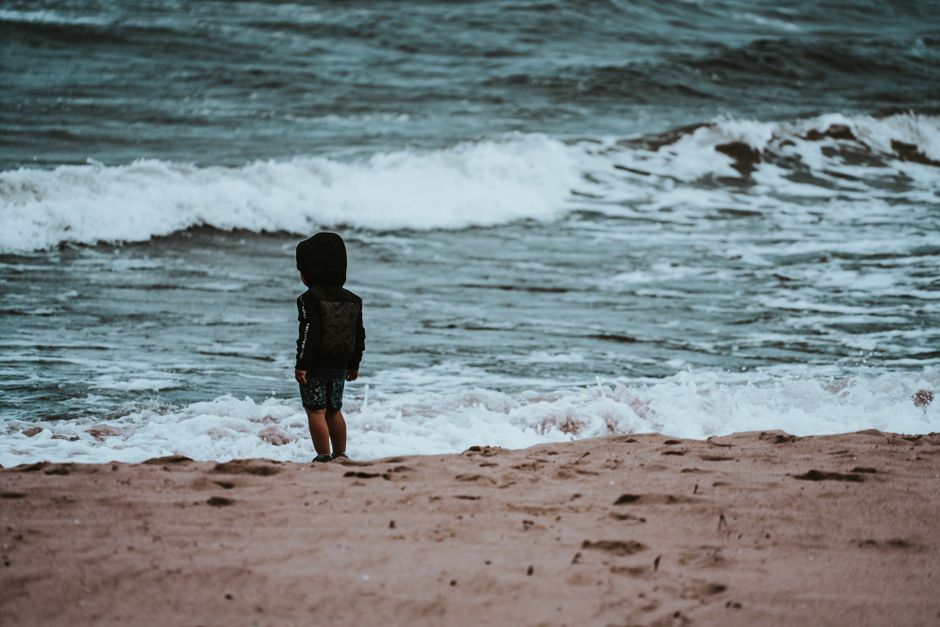
Leave while the day still feels successful. The best exit usually starts before the child asks to go home. Toddlers rarely announce that heat, hunger, sand, and noise have reached their limit. They show it by grabbing, whining, refusing water, tripping, or becoming suddenly reckless.
Use a fixed exit trigger
- Leave after the second water-and-snack break.
- Leave when the child has had a dry change of clothes and no longer wants to re-enter the water.
- Leave before the parking lot reaches its busiest period.
- Leave immediately for worsening weather, strong wind, thunder, unusual tiredness, or a missing child.
Give the exit a visible sequence
Tell children the order before you start: toys into the bag, feet rinse, dry clothes, drink, car. Give a five-minute warning and then a two-minute warning. Let one child carry a light bucket or choose the final song, but do not reopen the water debate after the exit begins. Adults should divide jobs: one packs shade, one handles children, and one checks the sand for shoes, cups, and toys.
A calm exit is not a reward for perfect behavior. It is a design choice that protects the next hour of the trip.
Which beach gear is worth buying, and when should you skip it?
Buy one item only when it fixes a repeated problem. For most families, a dependable shade system and a toilet plan matter more than a new toy, cooler, or beach wagon.
My clear picks by beach scenario
For a small family carrying gear from a parking lot, choose the Neso 1 and a separate toilet pouch. For a larger group on a breezy open beach, choose the Shibumi Shade Classic only after checking wind and local rules. For potty training, buy the OXO Tot before buying more beach toys. For a boardwalk or paved route, the Summer by Ingenuity 3Dmini is a sensible low-cost stroller; it is not a solution for pushing through deep sand.
Do not buy gear to avoid making a plan
No product can replace a working toilet check, a weather decision, or an agreed departure time. The most reliable beach setup has shade, water, dry clothes, a toilet route, and a clear way back to the car. For beach days with littles, the single most important takeaway is to plan the exit before the first child gets wet.
Wet sand can feel far hotter than the air around it, which is why a cheerful beach plan can fall apart before the first swim. With little children, the real challenge is not packing enough toys. It is building a short route from shade to toilet to car before anyone gets hungry, overheated, or tired.…