
Vietnam Travel Safety Tips: 7 Vietnam Travel Safety Myths That Could Ruin Your Trip


You’ve heard the warnings. “Don’t drink the tap water.” “Your phone will get snatched on a scooter.” “Street food gives you food poisoning.”
I believed all of it before my first trip to Vietnam. Then I spent three weeks eating from plastic stools on Hanoi sidewalks and crossing streets in Saigon without incident. The real risks? They’re different from what most travel blogs tell you.
Here are the 7 safety myths that cost travelers money, time, and peace of mind — and what to actually watch for in 2026.
Myth #1: Street Food Will Make You Sick
This is the most persistent myth in Vietnam travel. The truth: properly cooked street food is safer than a lukewarm buffet at a mid-range hotel. Vendors serve hundreds of customers daily. If their food was making people sick, they’d be out of business within a week.
The real danger is improperly washed raw vegetables and ice made from tap water. That’s where the bacteria live. Stick to stalls where you see the food being cooked at high heat right in front of you.
What to actually avoid
- Pre-cut fruit sitting out uncovered for hours
- Ice from unknown sources — ask for “da sạch” (clean ice) or buy bagged ice from convenience stores
- Raw herbs and salads unless you see the vendor wash them with bottled water
I ate banh mi from a cart on Hang Buom Street in Hanoi for 15,000 VND ($0.60). It was grilled in front of me, served on a clean paper wrapper, and I had zero issues. The $12 hotel breakfast omelet? That’s what gave me trouble.
Verdict: Eat where the locals eat. If a stall has a crowd at 8 AM, join it. The turnover means fresh ingredients.
Myth #2: You’ll Get Robbed on a Scooter
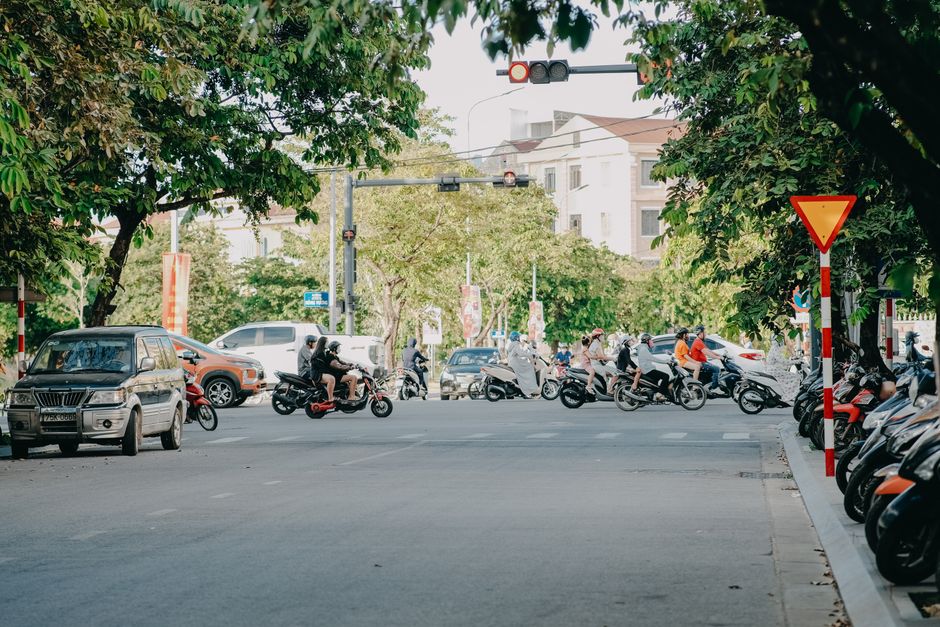
Phone snatching happens. It’s a real crime in big cities like Ho Chi Minh City and Hanoi. But the odds are wildly overblown by travel forums.
Here’s what the numbers actually look like. In 2026, Hanoi reported roughly 1,200 bag snatching incidents — across a city of 8 million people and 7 million annual tourists. Your chance of being a victim on any given day is under 0.01%.
The one rule that eliminates 90% of the risk
Don’t walk with your phone out on the street side of the sidewalk. That’s it. Snatchers cruise the curb lane. Stand two feet back when checking Google Maps. Keep your bag strap diagonal across your body, not hanging off one shoulder.
I walked around District 1 in Saigon for five nights with my phone in my front pocket. Zero issues. The people who get targeted are the ones with a phone in one hand and a selfie stick in the other, standing at the edge of the curb.
Verdict: Be aware, not afraid. Basic street smarts — the same you’d use in Barcelona or Bangkok — are enough.
Myth #3: Tap Water Is Instantly Dangerous
You shouldn’t drink tap water in Vietnam. That part is true. But brushing your teeth with it or eating a salad washed in it won’t automatically send you to the hospital.
The risk is cumulative. Your gut isn’t used to the local bacteria strains. A small exposure might cause mild bloating. A liter of tap water could give you diarrhea for two days.
Practical water safety
| Activity | Risk Level | Recommendation |
|---|---|---|
| Brushing teeth | Low | Use tap water. Spit, don’t swallow. |
| Drinking coffee/tea | Safe | Water is boiled. No issue. |
| Eating street food soup | Safe | Broth is boiling hot. Kills bacteria. |
| Washing produce | Medium | Ask if they use bottled water. If unsure, skip raw veggies. |
| Drinking from hotel tap | High | Don’t do it. Buy 5-liter bottles for 10,000 VND ($0.40). |
Verdict: Carry a Grayl GeoPress ($95) or LifeStraw Go ($50) if you want to avoid plastic bottles. Otherwise, buy bottled water from convenience stores — not street vendors who might refill bottles with tap water.
Myth #4: Taxi Scams Are Unavoidable
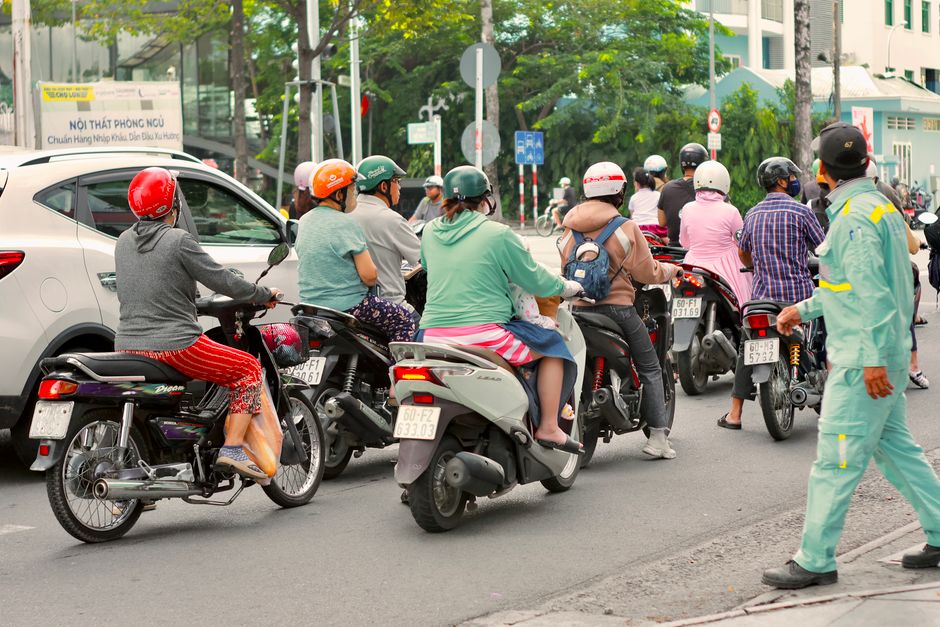
Taxi scams are real. But they’re also completely avoidable with a single app.
Grab is the Uber of Southeast Asia. It shows the fare upfront, tracks the route, and takes payment by card or cash. A ride from Hanoi’s Old Quarter to the airport costs about 150,000 VND ($6) on Grab. The same ride with a street taxi driver asking for “meter”? Could be 300,000 VND or more.
The two scams that still catch tourists
Broken meter scam: Driver says the meter is broken and offers a “fixed price” that’s 3x the real fare. Solution: Don’t get in the taxi. Walk away.
Meter run scam: The meter runs at 5x normal speed. This happens with Vinasun and Mai Linh taxis at the airport if you don’t use the official queue. Solution: Use Grab for all taxi rides. Period.
I used Grab 14 times in Vietnam. Every single ride matched the app price within 5,000 VND. No arguments, no negotiation, no scam.
Verdict: Download Grab before you land. It works in Hanoi, Saigon, Da Nang, Nha Trang, and most tourist cities. Never hail a street taxi.
Myth #5: You Need a Visa to Enter Vietnam
This one used to be true. It’s not anymore for many nationalities.
As of 2026, citizens from 25 countries — including the UK, Germany, France, Italy, Spain, Japan, and South Korea — get visa-free entry for up to 45 days. US citizens need a visa, but the e-visa process takes 3 working days and costs $25.
The mistake that costs $100+
Third-party visa agencies charge $50-100 for what you can do yourself on the official Vietnam Immigration Department website. The form asks for your passport photo, a portrait photo, and your entry/exit dates. That’s it.
I watched a couple at the Hanoi airport pay $80 each to a visa-on-arrival agency because they didn’t know about the e-visa. The official cost: $25. They wasted $110 total.
Verdict: Check your country’s visa status on the official Vietnam Immigration site. If you qualify for the e-visa, apply directly. Skip the middleman.
Myth #6: Crossing the Street Is a Death Wish
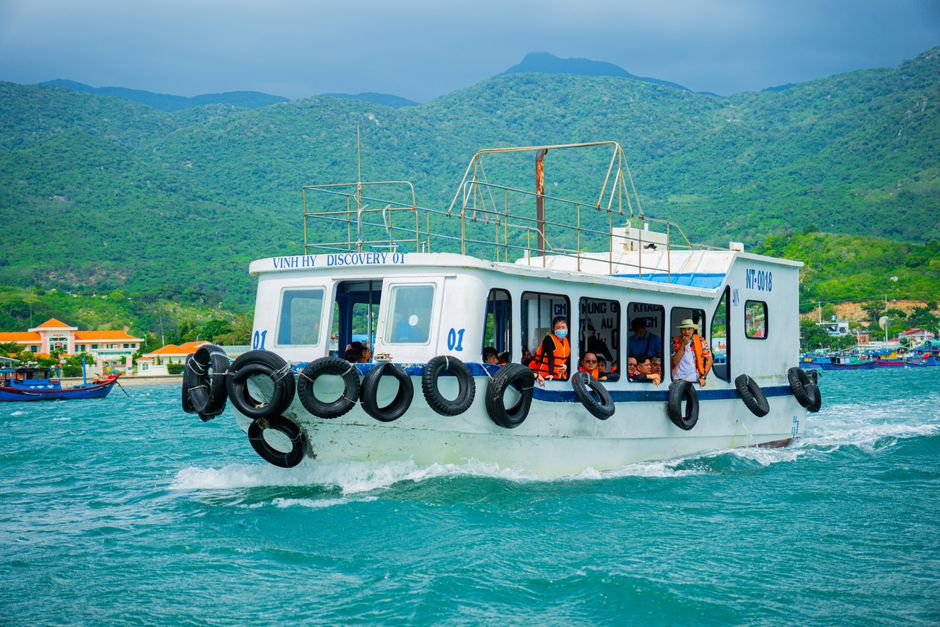
You’ve seen the videos. Scooters swarm like angry bees. Pedestrians look both ways and still nearly get hit.
Here’s the secret: Don’t stop. Don’t run. Don’t make eye contact.
Vietnamese traffic operates on flow, not rules. Drivers expect you to walk at a steady pace. They will swerve around you. If you stop suddenly or dart backward, you break the predictable pattern and cause confusion.
How to cross safely in 3 steps
- Look left, right, left again.
- Step off the curb and walk at a normal, steady speed.
- Keep walking. Don’t speed up. Don’t slow down. Don’t wave at drivers.
I crossed Le Loi Street in Saigon — 6 lanes of scooters and cars — on my first day. It felt insane. By day three, it felt normal. The scooters parted around me like water around a rock.
Verdict: Trust the flow. Vietnamese drivers are skilled at avoiding pedestrians. Your hesitation is more dangerous than your movement.
Myth #7: You Need a Full Travel Insurance Policy
You need travel insurance. That part is true. But you don’t need the $200 comprehensive policy from a major US insurer.
Vietnam has public hospitals that charge $20-50 for a doctor visit. Private international clinics like Family Medical Practice Hanoi charge $80-120 for a consultation — still far less than a US emergency room copay.
What insurance actually covers
The real risk isn’t a doctor visit. It’s evacuation. If you have a serious accident in a remote area like Ha Giang or Sapa, getting to a hospital in Hanoi costs $500-2,000 by ambulance or helicopter.
A basic World Nomads policy costs about $45 for a 2-week trip and covers medical evacuation up to $100,000. The $200 “comprehensive” policy from a US insurer covers things like trip cancellation and lost luggage — which are annoying but not life-threatening.
Verdict: Buy a policy that covers medical evacuation. Skip the bells and whistles. Check that your policy explicitly covers motorbike riding if you plan to rent one — many exclude it.
Vietnam is safer than most people assume. The real risks are scams, traffic flow, and food hygiene — all manageable with basic awareness. Ignore the forum horror stories. Go, eat, cross the street, and enjoy one of the most affordable travel destinations in the world.
You’ve heard the warnings. “Don’t drink the tap water.” “Your phone will get snatched on a scooter.” “Street food gives you food poisoning.” I believed all of it before my first trip to Vietnam. Then I spent three weeks eating from plastic stools on Hanoi sidewalks and crossing streets in Saigon without incident. The real…