
Camping Gear for Queenstown: What the Conditions Actually Demand

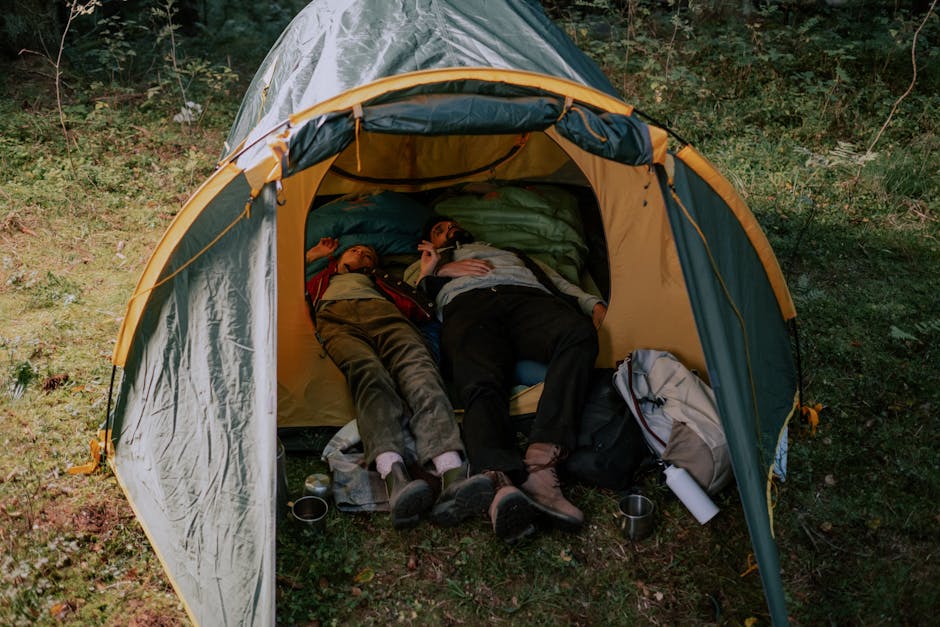
Queenstown camping trips fail for one reason more than any other: the sleeping bag was rated for conditions 8–10°C warmer than what actually happens overnight. Fix that first, then sort the rest. This guide covers what gear Queenstown’s specific environment demands, where to source it locally in town, and how to decide whether renting makes more financial sense than buying for your trip length.
Why Queenstown Conditions Catch Experienced Campers Off Guard
Queenstown sits in a mountain basin at 310 metres above sea level. The Remarkables rise sharply behind it to 2,300m. Cecil Peak flanks the western shore. Lake Wakatipu — 77km long, 380 metres deep — runs through the centre and generates its own wind patterns. This is not a sheltered coastal camping environment. It is an alpine basin that happens to have good restaurants and a gondola.
The temperature swings are the first shock for most visitors. Daytime highs in January reach 22–26°C. People arrive in t-shirts, set up camp in t-shirts, and then sit in their tent at midnight completely unprepared for 5°C. The basin radiates heat quickly after dark, and the surrounding mountains funnel cold air down valleys. The gap between afternoon high and overnight low can reach 18°C on a clear, still night — wider than most comparable New Zealand locations.
| Season | Avg Daytime High | Avg Overnight Low | Rain Days/Month | Wind Exposure |
|---|---|---|---|---|
| Summer (Dec–Feb) | 22–26°C | 5–10°C | 7–9 | Moderate (lake thermals) |
| Autumn (Mar–May) | 14–18°C | 2–6°C | 9–11 | High (westerlies) |
| Winter (Jun–Aug) | 6–10°C | -2 to 2°C | 10–12 | Very High |
| Spring (Sep–Nov) | 12–18°C | 1–7°C | 9–12 | High (unpredictable) |
Rain in Queenstown comes differently than in most of New Zealand. Instead of persistent drizzle, the area gets fast-moving fronts from Fiordland that deliver hard rain for 2–4 hours then clear. A flysheet with a hydrostatic head rating below 1500mm is genuinely inadequate here. Aim for 2000mm minimum; 3000mm if you are camping in shoulder season.
Wind is the most under-researched factor. Lake thermals generate reliable afternoon winds across the water surface, and exposed lakeside campsites amplify this. Tents with 7.9mm fibreglass poles flex dangerously in 50km/h gusts. Aluminium poles at 8.5mm or above are the minimum standard for Queenstown conditions — not a premium upgrade, a baseline requirement. A tent that collapses overnight because of pole failure is not a minor inconvenience at a remote DOC site with no phone signal.
Gear Specifications That Actually Match Queenstown Campsites
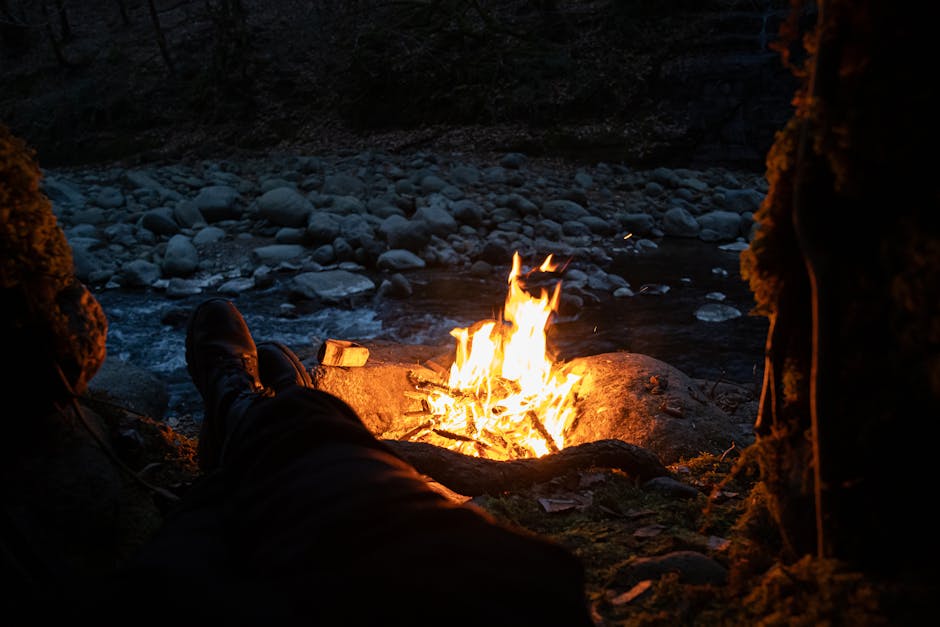
Generic gear lists do not work here. These are the minimum acceptable specifications for each category at Queenstown-area campsites, alongside specific products that meet them. Generic camping gear sold at general retailers will fall short on at least two or three of these criteria.
| Gear Category | Minimum Spec | Recommended Product | Approx. NZD Price |
|---|---|---|---|
| Tent (2-person) | 3-season, 2000mm+ HH flysheet, aluminium poles 8.5mm+ | MSR Hubba Hubba NX 2P | $680–$750 |
| Sleeping Bag | Comfort rating 0°C or lower | Sea to Summit Spark SpIII (-9°C lower limit, 1°C comfort) | $320–$380 |
| Sleeping Pad | R-value 2.5+ (summer), R4+ (shoulder seasons) | Therm-a-Rest NeoAir XLite NXT (R4.5) | $280–$330 |
| Merino Base Layer | 200gsm merino or equivalent synthetic, no cotton | Icebreaker 200 Oasis Merino (top and bottom) | $120–$160 per piece |
| Rain Shell | Seam-sealed, 10,000mm HH, taped seams throughout | Macpac Mistral Gore-Tex Jacket | $380–$450 |
| Camp Stove | Canister or integrated system | MSR Pocket Rocket 2 | $75–$90 |
| Headlamp | 300+ lumens, IPX4 minimum water resistance | Black Diamond Spot 400 | $60–$75 |
| Water Filter | 0.1 micron hollow fibre (many DOC sites have no tap) | Sawyer Squeeze Filter | $65–$80 |
The sleeping bag entry deserves specific attention. ISO sleeping bag ratings carry two numbers: the comfort rating and the lower-limit rating. A bag sold as good to -9°C is referring to the lower limit — the temperature at which a cold-stressed person can survive, not sleep comfortably. The Sea to Summit Spark SpIII has a comfort rating of 1°C, which makes it appropriate for Queenstown summers. Cheaper bags marketed with similar lower-limit numbers typically carry comfort ratings 8–12°C higher than that. You will not sleep well in them once the basin temperature drops.
The sleeping pad R-value is equally important and far more commonly ignored. Cold ground pulls heat out of your body faster than cold air does. An R2 foam mat is not adequate at Queenstown campsites below 10°C overnight. The Therm-a-Rest NeoAir XLite NXT at R4.5 adds weight but handles the ground-cold problem reliably.
Where to Buy or Rent Camping Gear in Queenstown
Four options exist in town. Two are worth consideration for technical gear. One is the only real rental option. One is for emergencies only.
Bivouac Outdoor — Best for Technical Purchases
Bivouac on Camp Street carries MSR, Sea to Summit, Black Diamond, Osprey, and Macpac. Staff knowledge is generally solid — most can discuss sleeping bag ratings and tent pole specifications rather than just reading the tag. If you are buying a tent or sleeping bag specifically for this trip, start here. They typically stock both the MSR Hubba Hubba NX and the lighter MSR FreeLite series, giving you a genuine weight-versus-durability choice. Full retail pricing applies, but sale events run several times per year. Phone ahead to confirm stock on specific items before making the trip into town.
Kathmandu — Best for Apparel and Rain Gear
The Kathmandu store on Beach Street is strongest on clothing. Their own-label Merino range — particularly the 200gsm midlayer — performs comparably to Icebreaker at a lower price point. Rain shells are solid; the Fiord Gore-Tex jacket at around $380 NZD is a legitimate substitute for the Macpac Mistral when the latter is out of stock. Tent and sleeping bag selection is thinner than at Bivouac. Sale periods, typically in March and September, drop apparel pricing by 30–40% — worth timing your purchase around if you have flexibility.
Outside Sports — The Only Rental Option That Works
Outside Sports on Shotover Street rents camping gear by the day or multi-day rate. Current approximate pricing: 2-person tent at $20–35 NZD per night, sleeping bag at $10–15 per night, sleeping mat at $5–8 per night. Equipment quality is functional rather than premium. You will not get a brand-new MSR on a rental, but the tents are proper 3-season models rather than festival tents. Inspect poles and zip toggles before leaving the shop — rental gear gets used hard. For trips of 3–5 nights, renting the full sleep system typically costs $120–$180 NZD total, against $1,000-plus to buy equivalent gear new.
Kmart Queenstown — Emergency Purchases Only
Cheap sleeping bags, folding chairs, basic cookware. Nothing here is appropriate for exposed DOC campsites in variable conditions. A $19 foam sleeping mat as a secondary insulation layer under a rental pad is fine. A Kmart tent above 400m in autumn or spring is a genuinely poor decision. Know the limit of what this shop is useful for before walking in expecting serious outdoor equipment.
Queenstown’s Key Campsites and What Each One Requires From Your Gear
Is Twelve Mile Delta Suitable for a First Queenstown Camping Trip?
Yes — with the right gear. Twelve Mile Delta is a DOC campsite on SH6, 12km from Queenstown along the lake’s western shore. It costs approximately $15 NZD per night and books through the DOC website, filling 6–8 weeks ahead in December and January. The site sits directly lake-exposed. Wind off the water is the main variable — some nights are dead calm, others bring hard southerlies. A freestanding tent with solid staking capability is essential because the ground is compacted shingle in sections where stakes will not grab deep. The MSR Hubba Hubba NX handles this site reliably. Single-wall or ultralight trekking-pole tents are less dependable in the wind conditions here.
What Makes Moke Lake Colder Than Queenstown Town Centre?
Moke Lake sits 9km from Queenstown on a gravel road — a DOC campsite in a cirque valley at approximately $15 NZD per night. Cold air drains down from the surrounding ridges overnight and pools in the valley floor where the tents sit. Moke Lake consistently runs 3–4°C colder overnight than Queenstown town centre temperatures suggest. On a summer night when town sits at 8°C, the lake site can drop to 4°C. A sleeping bag comfortable at 5°C is marginal here; one rated to 0°C comfort is appropriate. This is also a site where the Sawyer Squeeze filter earns its place — the DOC water supply is seasonal and not always operational.
When Does Queenstown Holiday Park Make More Sense?
For families with children under 8, or for trips where sleeping comfort matters more than wilderness access, Queenstown Holiday Park on Man Street is the right call. Powered sites give you access to electric heating, gear requirements drop significantly, and hot showers make wet evenings manageable rather than trip-ending. A 3°C comfort sleeping bag and a standard 3-season tent are adequate here. Not a compromise — just a different kind of trip.
Renting vs Buying: The Honest Cost Breakdown
Buying a full Queenstown-appropriate kit — tent, sleeping bag, sleeping pad, and rain jacket — runs $1,250–$1,600 NZD at retail. Whether that investment makes sense depends entirely on how many times you will use the gear.
| Item | Rental (4 nights, Outside Sports) | Buy New (Bivouac / Kathmandu) | Buy Secondhand (Trade Me) |
|---|---|---|---|
| 2-person tent | $80–$140 | $400–$750 | $150–$350 |
| Sleeping bag (0°C comfort) | $40–$60 | $200–$380 | $80–$180 |
| Sleeping pad (R4+) | $20–$32 | $100–$330 | $60–$150 |
| Rain jacket | Not available for rental | $200–$450 | $80–$200 |
| Tent and sleep system total | ~$140–$232 | ~$700–$1,460 | ~$290–$680 |
The break-even point on buying versus renting tent and sleep system only sits at roughly 5–7 camping nights per year, assuming new gear and a conservative 5-year lifespan. If this is a single Queenstown trip, renting from Outside Sports saves you $500–$1,200 NZD. If you camp four or more times a year and will use the gear elsewhere in New Zealand — the Routeburn Track, Fiordland, Nelson Lakes — buying makes clear financial sense over a 2–3 year horizon.
Trade Me, New Zealand’s equivalent of eBay, is worth checking for secondhand technical gear before you buy new. MSR tents and Sea to Summit sleeping bags appear regularly in Queenstown and Christchurch listings, often at 40–60% of retail, because people sell kit after completing the Routeburn or Milford tracks. Check listings two to three weeks before your trip rather than leaving it to the last week.
The One Spec That Determines Whether Your Trip Goes Well
Buy or rent a sleeping bag with a comfort rating of 0°C or lower. Not the lower-limit rating — the comfort rating. That single specification is the difference between a good Queenstown camping trip and an emergency motel booking at midnight at Moke Lake in January.
An inadequate sleeping bag is the only gear failure on this list that cannot be patched with extra clothing, because you will not have enough insulating layers in your pack to compensate for a 10°C deficit. Get the bag right first, then optimise everything else around it.
Queenstown camping trips fail for one reason more than any other: the sleeping bag was rated for conditions 8–10°C warmer than what actually happens overnight. Fix that first, then sort the rest. This guide covers what gear Queenstown’s specific environment demands, where to source it locally in town, and how to decide whether renting makes…