
Cruise Vacation Air Canada: What Families Must Know Before Booking

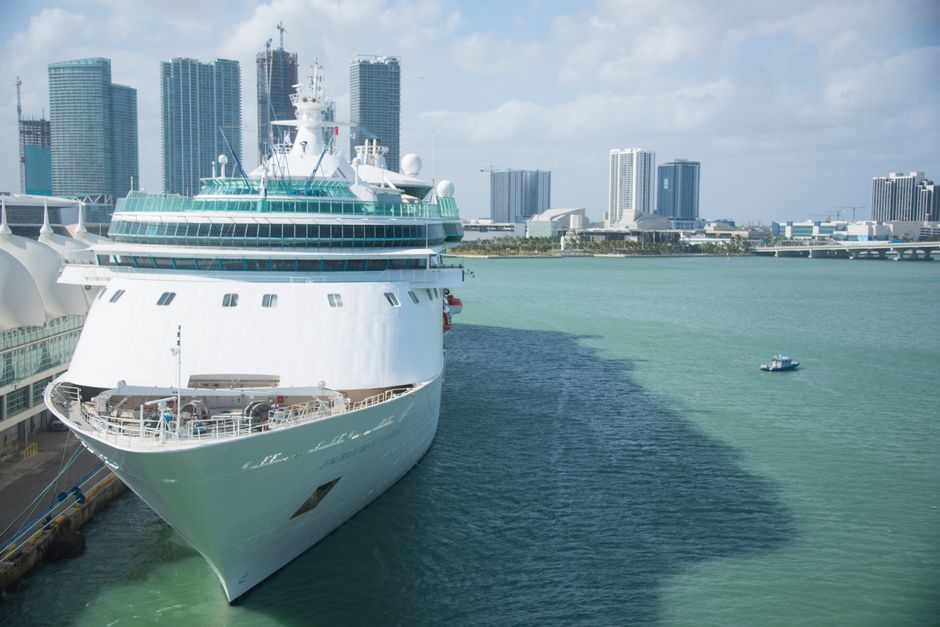
Booking a cruise vacation through Air Canada Vacations can simplify a family trip — one company handles flights, transfers, and the cruise itself. But the legal and practical rules that apply to these packages differ from booking a flight alone. Parents who assume standard airline protections will cover their cruise may find themselves stranded at the port or out thousands of dollars.
How Air Canada Vacation Packages Change Your Legal Rights
When you buy a cruise vacation through Air Canada Vacations (not directly from Air Canada), the package is governed by Quebec’s Travel Consumer Protection Act and Ontario’s Travel Industry Act, plus similar laws in other provinces. These laws require the travel seller to hold your money in trust until the trip departs. If the tour operator goes bankrupt, you are entitled to a refund from the compensation fund — but only if the package was purchased from a registered travel agent or wholesaler.
Air Canada Vacations is a licensed tour operator in most provinces. That means your deposit and final payment are protected under these provincial funds. However, this protection does not cover independent add-ons like pre-cruise hotel stays booked separately or shore excursions you arrange on your own. Those fall outside the package protection umbrella.
A common mistake: families assume the airline’s APPR (Air Passenger Protection Regulations) apply to the entire package. They do not. APPR covers only the flight segments. Delays or cancellations to the cruise itself — caused by weather, mechanical issues on the ship, or port closures — are governed by the cruise line’s ticket contract, which typically limits liability to a future cruise credit or nothing at all.
This is not legal advice — consult a licensed attorney for your specific situation.
Baggage Rules That Trip Up Cruise Families
Air Canada’s standard baggage allowance for economy class on a cruise package is one checked bag up to 23 kg (50 lbs) per person, plus one carry-on and one personal item. This mirrors the general policy for most international flights. But here is where families get caught: the cruise ship may have different luggage restrictions for embarkation day.
What the airline allows vs. what the ship accepts:
| Item | Air Canada (Economy) | Typical Cruise Line (Embarkation) |
|---|---|---|
| Checked bag weight limit | 23 kg (50 lbs) | No strict limit, but your cabin has limited storage |
| Carry-on size limit | 55 x 40 x 23 cm | Usually no size limit, but must fit through cabin door |
| Prohibited items (e.g., power strips, irons) | Standard airline rules | Stricter — most cruise lines ban extension cords and steamers |
| Alcohol in checked bags | Limited to 5 litres per person, under 70% ABV | Often confiscated at boarding; cruise lines sell their own |
Practical advice: Pack a small carry-on with medications, swimsuits, and one change of clothes for each family member. If your flight arrives early but the cruise ship does not board until 1:00 PM, that carry-on is your lifeline. Checked luggage may not reach your cabin until dinner time.
Failure mode: families pack a large checked bag with all their formal wear, then discover the cruise line’s luggage drop-off closes at 3:00 PM. They either carry the heavy bag through security or miss the cutoff and wait hours for delivery. Solution: pack a separate small suitcase for each person, not one giant family bag.
Seat Selection — Why You Cannot Rely on Free Seats
Air Canada’s Standard fare (included in most cruise packages) does not include advance seat selection. Seats are assigned at check-in, 24 hours before departure. Families traveling with young children often find themselves scattered across the cabin — a 4-year-old sitting 10 rows from a parent is not just inconvenient, it is a safety issue under Transport Canada regulations for minors.
To guarantee seats together, you must either:
- Pay for Preferred Seat selection ($15–$50 per person per segment), or
- Purchase Latitude or Comfort fares (higher base price but include seat selection).
Air Canada’s policy states that children under 12 must be seated next to an accompanying adult. If the airline cannot seat them together after check-in, they will move passengers at the gate to comply. In practice, this often means a parent gets moved to a middle seat while a stranger keeps the aisle. Not ideal.
Recommendation: If you book a cruise package through Air Canada Vacations, call them immediately after booking to request seat assignments for your family. Ask for the Seat Selection Guarantee — some packages include it for an extra fee. The cost is usually $50–$100 per person round-trip. For a family of four, that is $200–$400. Compare that to the stress of boarding a plane with a toddler who cannot see you.
Missed Connection or Flight Delay — Who Pays for the Cruise?
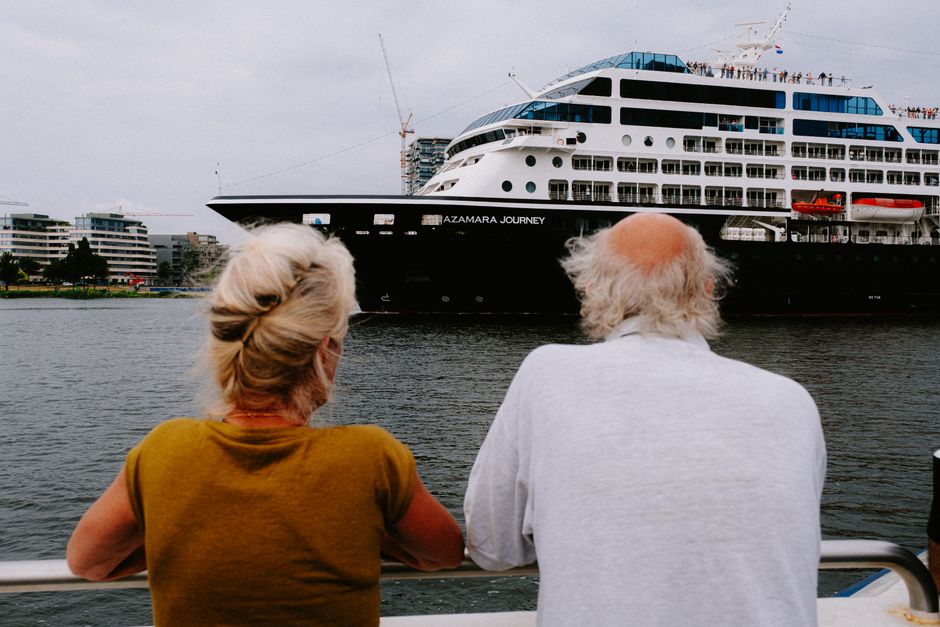
This is the single biggest risk for a cruise vacation package. If your Air Canada flight is delayed and you miss the ship’s departure, the cruise line is not obligated to wait. The ship will leave at the scheduled time. Your options are limited.
Under the Air Passenger Protection Regulations (APPR), Air Canada owes you compensation for delays within their control (e.g., crew scheduling, maintenance issues). For a delay of 3–6 hours, compensation is $400 per passenger. For 6–9 hours, it is $700. For 9+ hours, $1,000. But that compensation is for the flight delay itself, not the lost cruise days.
The cruise line’s contract typically says: if you miss the ship, you must catch up at the next port at your own expense. That means booking a last-minute flight, hotel, and possibly a helicopter transfer to a smaller port. Costs can exceed $5,000 for a family of four.
What Air Canada Vacations offers: Their Cruise Protection Plan (sold separately at booking) covers missed connections, trip interruption, and baggage loss. It costs roughly 8–10% of the total package price. For a $6,000 family cruise, that is $480–$600. It covers:
- Reimbursement for missed cruise days (up to a limit)
- Transportation to the next port
- Accommodation if you must wait overnight
Without this plan, you rely on your personal travel insurance. Most standard policies exclude cruise-specific delays. Read your policy’s fine print for the phrase “cruise departure delay” — if it is not mentioned, you are not covered.
Verdict: For a family cruise costing $5,000 or more, buy Air Canada Vacations’ Cruise Protection Plan or a standalone cruise insurance policy from a provider like Manulife or Allianz. The $500 premium is cheaper than one missed port call.
What Happens If You Cancel — Refund Rules by Province
Cancellation policies for Air Canada Vacations cruise packages are not uniform across Canada. They depend on the province where you purchased the package and the specific terms in your contract.
In Quebec: The Travel Consumer Protection Act gives you a 24-hour cooling-off period after booking. You can cancel for any reason within that window and receive a full refund. After 24 hours, the operator’s cancellation schedule applies.
In Ontario: No statutory cooling-off period for travel packages. You are bound by the terms in the contract, which typically charge a penalty of $100–$300 per person for cancellations 60+ days before departure, and 50–100% of the total cost within 30 days.
In British Columbia: The Business Practices and Consumer Protection Act requires travel sellers to clearly disclose cancellation penalties. If they do not, you may have grounds to dispute the charge. Always request a written cancellation policy before paying.
Failure mode: a family books a cruise six months out, then discovers a scheduling conflict. They cancel at 45 days and assume they will get a partial refund. Instead, the cruise line keeps 50% of the fare, and Air Canada Vacations keeps the airfare (which is non-refundable on most fares). The family loses $3,000 on a $6,000 trip.
Prevention: Buy Cancel for Any Reason (CFAR) insurance within 14 days of the initial deposit. This typically covers 75% of non-refundable costs if you cancel for a reason not listed in the standard policy. It adds about 40% to the base insurance premium, but for a family cruise, that extra cost is often worth it.
Medical Emergencies at Sea — What Air Canada Vacations Does Not Cover
Air Canada Vacations packages include basic medical evacuation coverage through their Emergency Travel Assistance program. But this coverage is limited. It typically covers emergency transportation to the nearest adequate medical facility — not repatriation to Canada. If a child requires hospitalization in a foreign port, the family must pay upfront and file a claim later.
Cruise ship medical facilities are basic. They can handle minor injuries and seasickness, but not pediatric emergencies like severe asthma attacks or appendicitis. The ship’s doctor will stabilize the patient and arrange evacuation to the nearest hospital. That evacuation can cost $10,000–$50,000 depending on location and method (helicopter vs. boat vs. ambulance).
Canadian provincial health plans (like OHIP in Ontario or MSP in B.C.) do not cover medical costs outside Canada. They may reimburse a small portion of out-of-country hospital stays, but not evacuation or ambulance services.
What you need: A separate travel medical insurance policy with at least $1 million in emergency medical coverage and $500,000 in medical evacuation coverage. Providers like Blue Cross, Travel Guard, and World Nomads offer family plans starting around $100–$200 for a week-long cruise. This is not optional — it is a financial necessity.
How to Book a Cruise Through Air Canada Vacations Without Regret
Here is a clear process for families who decide to book through Air Canada Vacations. Follow these steps before you pay:
- Compare total price: Call Air Canada Vacations and ask for the all-in price including taxes, fees, port charges, and gratuities. Write it down. Then call the cruise line directly and price the same itinerary. If the difference is less than $300 per person, book direct — you get better cancellation terms.
- Read the cancellation policy aloud to your spouse. If either of you hesitates at the penalty structure, buy CFAR insurance immediately.
- Request seat assignments at booking. Do not wait. If the agent says seats are not available, ask for a Seat Selection Guarantee add-on. Document the request in writing (email).
- Buy the Cruise Protection Plan from Air Canada Vacations or a comparable standalone policy. Verify that it covers missed port connections and medical evacuation.
- Check your provincial compensation fund: If you are in Quebec, Ontario, or B.C., confirm that Air Canada Vacations is registered with the fund. You can verify on the provincial travel regulator’s website.
If the agent pressures you to book immediately with a “limited-time offer,” walk away. Cruise packages rarely sell out that fast, and high-pressure sales are a red flag for poor consumer protection.
The cruise industry is moving toward more flexible cancellation policies — some lines now offer “cancel up to 48 hours before departure” for a small fee. Air Canada Vacations may adapt their packages accordingly in the coming years. For now, the burden is on the consumer to read the fine print and buy appropriate insurance. Families who do that can enjoy their cruise without worrying about the legal and financial landmines.
Booking a cruise vacation through Air Canada Vacations can simplify a family trip — one company handles flights, transfers, and the cruise itself. But the legal and practical rules that apply to these packages differ from booking a flight alone. Parents who assume standard airline protections will cover their cruise may find themselves stranded at…