
Rainy-Day Days Out With Kids in London That Work in Winter

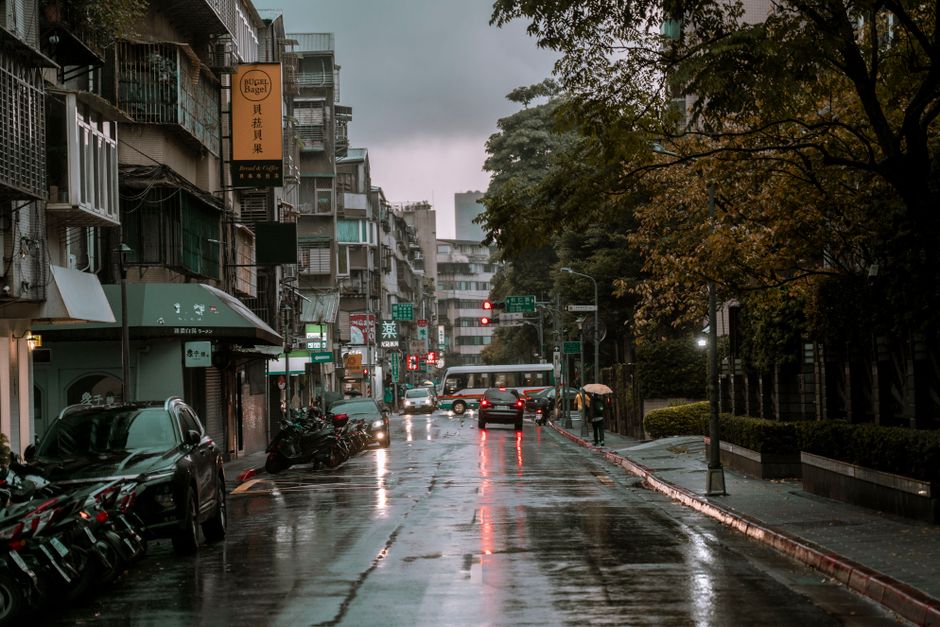
Rain can turn a London sightseeing day into a slow march between wet pavements, crowded trains and tired children. The better approach is to choose one strong indoor base, keep outdoor transfers short and book only the attractions that genuinely need a timed slot.
Start with one indoor base, not a long list of stops
The best rainy-day plan solves one basic problem: children need warmth, toilets, food and something that changes every few minutes. Adults need a route that does not depend on perfect weather. Treat the day as a sequence of short indoor chapters rather than a race across London.
Why one base works better in winter
Pick a building where you can spend at least two hours without repeating the same room. A large museum, aquarium or transport collection gives you shelter, visual variety and a natural pause point. It also cuts the number of times everyone has to put on a damp coat, cross a busy road or wait on an exposed platform. For younger children, the winning distance between attractions is often the distance from the main entrance to the café, not the distance shown on a map.
A good base should have step-free access or lifts, toilets on the same floor as the main displays, somewhere to sit and a food option that does not require a second journey. Check those details before leaving your accommodation.
Use the two-hour rule
Plan the first activity for 90 to 120 minutes, then stop while the children are still coping. Add a meal or hot drink before choosing a second activity. This is more reliable than promising a full day and discovering at lunchtime that everyone has reached the limit. A short final stop can feel like a success; a fourth attraction usually feels like a punishment.
Which London attractions suit different ages and budgets?

There is no single best indoor day out for every family. Age, noise tolerance, walking ability and ticket budget change the answer. The table below gives a practical starting point. Prices are online starting fares checked for 2026, not fixed promises; school holidays, capacity and special exhibitions can change the total.
Use the table to choose a realistic first stop
My clear budget pick is a free museum, especially the Natural History Museum or Science Museum. My paid-attraction pick is SEA LIFE London when the children need a guaranteed, fully enclosed route and the family can accept the higher ticket cost.
How to build a winter day without wasting time outside
Use this order when rain is forecast from morning to evening. It keeps the hardest travel out of the middle of the day, when coats are wet, queues are longer and patience is lower.
- Choose the neighbourhood first. South Kensington works for several major museums, Covent Garden works for transport history and central attractions, and the South Bank works for aquarium and riverside venues. Do not choose three places that sit in three different parts of London.
- Book the first timed entry. Give yourself a 20-minute arrival margin for a delayed Tube, a toilet stop or a child who refuses to leave the hotel. A 10:30 slot is often easier than the first slot of the day.
- Keep the first indoor session short. Aim for 90 minutes with one simple challenge, such as finding three dinosaurs, two spacecraft or five unusual objects. A mission gives children a reason to look without making the visit feel like school.
- Eat before the emergency. Reserve or identify a café before hunger becomes an argument. Carry one snack per child, but do not rely on a picnic area if coats and bags are already wet.
- Make the second stop optional. If everyone is warm and calm, continue. If not, take a direct train back or turn the rest of the day into a hotel-room film and takeaway. That is a sensible winter decision, not a failed itinerary.
The cheapest rescue plan is a free indoor afternoon
For families trying to control spending, a free museum followed by a warm meal is the strongest rainy-day fallback. The reason is practical: the entrance cost stays at zero, children can leave after 45 minutes without wasting an expensive ticket, and adults can adjust the pace when the weather worsens, while a paid attraction creates pressure to stay long enough to justify the booking; start with one gallery, set a simple observation challenge, use the café as a reset point, and keep the final journey direct so the family spends money on food rather than rushed taxis; this plan also works when a child is tired, neurodivergent, recovering from a cold or simply not interested in the attraction chosen that morning, because the commitment is small and the exit is easy, so the clear verdict is to use a free museum as the default plan and reserve paid attractions for days when the children already want the specific experience.
When are paid attractions worth the winter price?
Pay for a timed attraction when it removes a real problem, not because rain makes every ticket feel urgent. A paid venue earns its place when it is close to your route, has enough content for at least two hours and gives the children something they cannot get from a free gallery.
Choose SEA LIFE London for a sealed, visual route
SEA LIFE London is the clearest paid choice for children who love animals and struggle with open-ended museums. Its standard online fare starts at £28 for adults and £25 for children aged 2–15, while under-2s enter free. The attraction has 14 themed zones, so the route feels like a series of compact scenes rather than one enormous hall. Book the timed ticket early, because the cheaper fare is capacity-based and walk-up prices are higher.
Choose the London Eye only when the view matters
The London Eye takes about 30 minutes and uses 32 enclosed pods. Online prices start at £29 for adults and £26 for children aged 2–15, compared with walk-up prices from £39 and £35. It is a good choice for a first London visit when the children want a clear skyline view, but it is not a substitute for a full wet-weather day. Low cloud can reduce the view, and the queue area still involves some outdoor exposure.
Do not buy a bundle by default
Multi-attraction tickets can look cheap, but they only save money if the family visits the included attractions within the stated period. For a single rainy afternoon, buy one timed experience. For a multi-day stay with older children, a bundle may work; for toddlers, the extra commitment usually creates more pressure than value.
A realistic wet Saturday itinerary for 2026
This schedule is designed for two adults and two children, with one paid option and a free alternative. The times are deliberately loose. London traffic, Tube delays and winter queues can change a minute-by-minute plan before breakfast.
Sample schedule
| Time | Plan | Why it works |
|---|---|---|
| 09:30–10:15 | Travel to the chosen neighbourhood and use a station toilet | Removes the first urgent stop before admission |
| 10:30–12:15 | Book one main indoor attraction | Children get the best attention span early |
| 12:15–13:30 | Hot lunch within a short walk | Creates warmth and a firm reset |
| 13:30–14:30 | Optional second museum gallery or paid experience | Only continue if energy remains |
| 14:30–15:00 | Snack, coat check and direct journey home | Avoids the late-afternoon crash |
For a free version, spend the morning at the Natural History Museum or British Museum, then stop after lunch if the weather is still severe. For a paid version, pair SEA LIFE London with the London Eye only when both bookings fit the same South Bank route and the children want both experiences. That way, the family who woke to grey skies and soaked pavements still gets a warm, manageable day rather than a heroic but miserable tour of London.
Rain can turn a London sightseeing day into a slow march between wet pavements, crowded trains and tired children. The better approach is to choose one strong indoor base, keep outdoor transfers short and book only the attractions that genuinely need a timed slot. Start with one indoor base, not a long list of stops…