
Winter Patagonia Packing List: Packing List for a 2-Week Winter Trip to Patagonia: What I Actually Bring

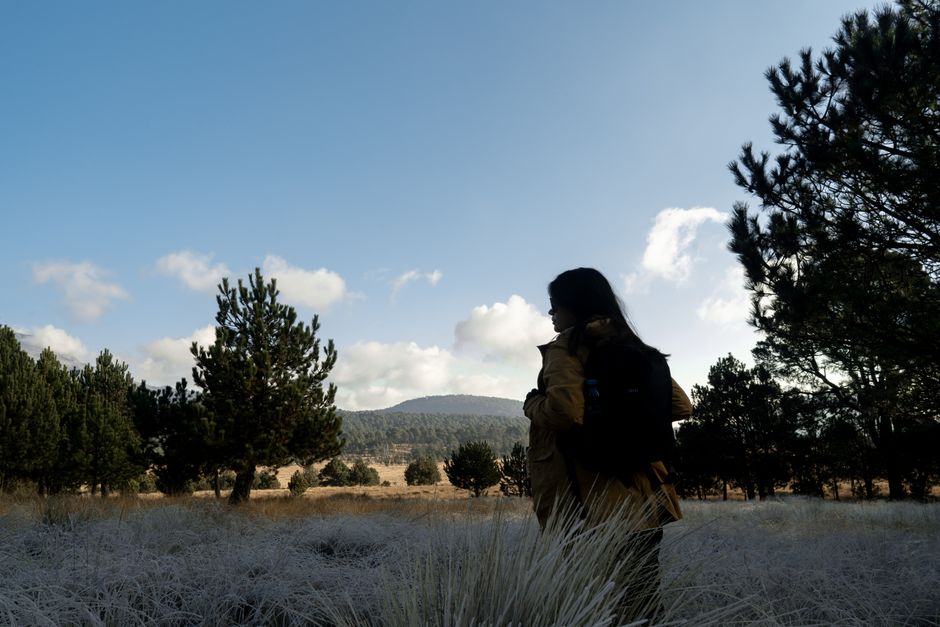
In July 2026, wind speeds at Torres del Paine hit 120 km/h and temperatures dropped to -12°C at dawn. Over 40% of trekkers in Patagonia during winter months report at least one piece of gear failing — usually boots or gloves. I spent two weeks in Chilean and Argentine Patagonia last winter, and here is the exact list of what I carried, what I ditched, and what I wish I had left at home.
Why Most Winter Packing Lists Fail in Patagonia
Patagonia is not a normal cold destination. It is wet, windy, and unpredictable within hours. A typical winter day can start with clear skies, shift to horizontal sleet by noon, and end with a gale that makes standing difficult. Most generic packing advice assumes steady cold. That assumption breaks here.
The biggest mistake I saw? People bringing a single heavy parka and nothing else. In Patagonia, you need a layering system, not a single coat. You need the ability to strip down quickly when the sun comes out and add three layers when the wind picks up. A parka designed for city winters traps sweat, gets damp, and loses insulation when you need it most.
Another common failure: waterproof boots that are not actually waterproof. I watched a hiker from Australia soak through a pair of “waterproof” Merrell Moabs within 30 minutes on the Grey Glacier trail. The boots had a waterproof membrane but no sealed tongue gusset — water entered through the lacing area. That is a design flaw, not a user error.
If you bring a packing list designed for a ski resort, you will be uncomfortable. If you bring one designed for a Patagonian winter, you will be warm, dry, and mobile.
The Core Layering System I Used Every Day
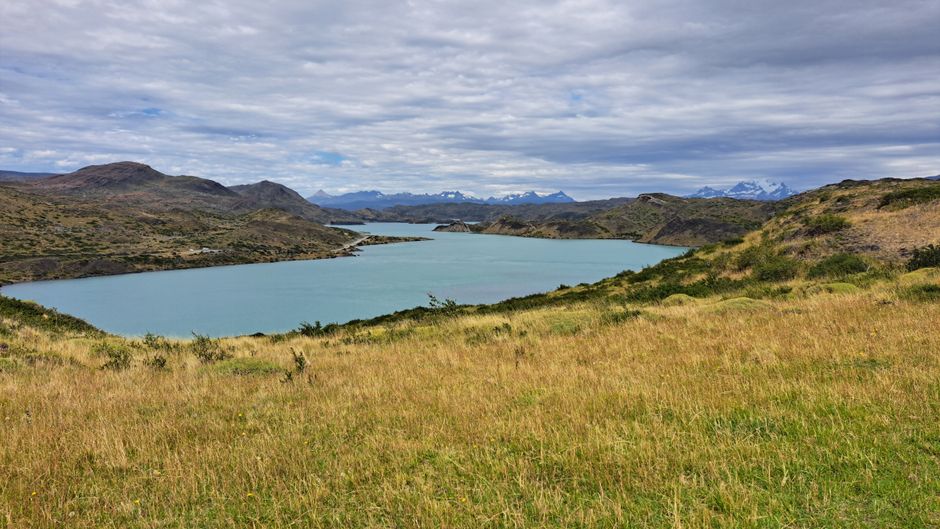
I wore three layers every single day. No exceptions. Here is exactly what worked.
Base Layer: Icebreaker 200 Oasis Long Sleeve Crewe
Merino wool, 200 g/m² weight. I packed two — wore one, washed the other in a sink with Dr. Bronner’s soap, and hung it to dry overnight. At $110 each, they are not cheap, but they do not smell after a week of use. Synthetic base layers (like the Patagonia Capilene Midweight) work too, but they hold odor after two days. For a two-week trip with limited laundry, merino wins.
Mid Layer: Patagonia Nano Puff Hoody
This is a synthetic insulated jacket, 60 g PrimaLoft Gold insulation. It compresses to the size of a football. I wore it under a shell on windy days and alone on calm, cold mornings. The hood is essential — wind here goes straight down your collar if you wear a scarf instead. Weighs 340 g. Packs into its own pocket.
Outer Shell: Arc’teryx Beta AR Jacket
This is a Gore-Tex Pro shell, 3-layer construction. It is not insulated — it is a windproof, waterproof barrier. The hood fits over a helmet, which matters if you do any climbing or cycling. The pit zips let me dump heat without taking the jacket off. At $700, it is expensive, but it is the difference between staying dry and being soaked through in 20 minutes. A cheaper alternative? The Outdoor Research Foray ($275) — heavier but equally waterproof.
Bottom layers: Icebreaker 200 Oasis Leggings under Outdoor Research Ferrosi pants. The Ferrosi pants are softshell — stretchy, breathable, and water-resistant. I never wore insulated pants. The combination of merino base + softshell was warm enough for hiking at -8°C with wind. If you plan to stand still for hours (photography, watching wildlife), add a synthetic puffy pant like the Mountain Hardwear Ghost Whisperer Pants.
Footwear: The Single Most Common Failure Point
I saw more ruined trips from wet feet than anything else. Here is what I used and what I recommend.
Primary boots: Lowa Renegade GTX Mid. These are leather-and-fabric hiking boots with a Gore-Tex lining. They have a sealed tongue — water cannot enter through the lacing area. I wore them for 14 days, through mud, snow, and stream crossings. My feet stayed dry. Cost: $260. Break-in time: about 20 km of walking before they feel molded to your foot.
Camp shoes: Crocs Classic Clog. Yes, Crocs. They weigh 180 g per pair. After a day in boots, your feet need to breathe. Crocs let you walk to the bathroom or the camp kitchen without putting wet boots back on. They also work as shower shoes. I know they look ridiculous. I do not care.
Gaiters: Outdoor Research Crocodile Gaiters. These are full-height gaiters that cover your lower leg and the top of your boot. In Patagonia, you will walk through snow that reaches your shin. Without gaiters, snow packs into your boot cuff, melts, and soaks your socks. With gaiters, you stay dry. Cost: $65.
Do not bring waterproof socks. They trap sweat and make your feet cold when you stop moving. Instead, use a merino wool sock: Darn Tough Vermont Hiker Micro Crew Cushion ($25 per pair). I packed three pairs. Rotated them. Washed one every third day.
Gloves and Headwear: The Difference Between Enjoyable and Miserable
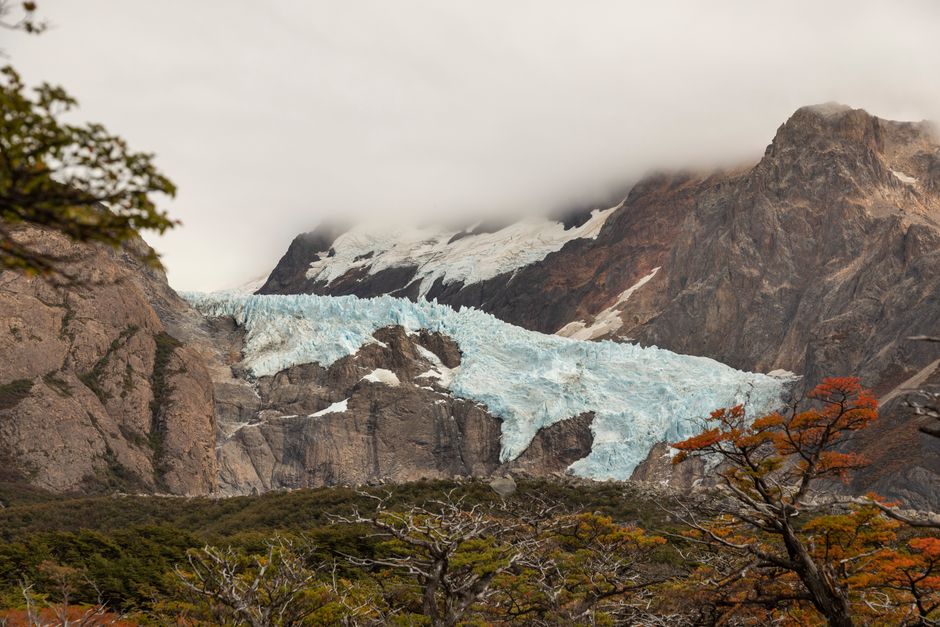
Cold hands ruin a trip faster than cold feet. Here is my system.
| Item | What I Used | Why | Price |
|---|---|---|---|
| Liner glove | Outdoor Research PL 400 Fleece Glove | Thin enough to use a phone or camera. Worn under shell gloves. | $30 |
| Shell glove | Black Diamond Guide Glove | Leather palm, Gore-Tex, removable liner. Warm enough alone at -5°C. With liner, good to -15°C. | $175 |
| Beanie | Icebreaker 125 Cool-Lite Sphere | Merino blend. Breathable. Does not itch. Covers ears. | $40 |
| Neck gaiter | Buff Merino Wool | Wear around neck, pull up over face when wind hits. One item replaces a scarf and a balaclava. | $30 |
I tried thin leather gloves on day one. Within 10 minutes of wind exposure, my fingers were numb. Do not skimp on gloves. The Black Diamond Guides are expensive, but they are the only gloves I have used that stayed warm after being soaked in sleet. If you need a cheaper option, the Hestra Heli Ski Glove ($130) is nearly as good but less durable.
What I Packed That Surprised Me (And What I Left Behind)
I brought a Garmin inReach Mini 2 ($400) for emergency communication. There is no cell service in most of Torres del Paine or Los Glaciares National Park. The inReach lets you send text messages via satellite. I used it to check weather forecasts and to let my family know I was safe. It weighs 100 g. Worth every gram.
I did not bring a camping stove. Refugios and lodges in the main trekking zones have cooking facilities. If you are camping independently, bring a Jetboil Stash ($120) — it is the lightest canister stove at 180 g.
I left my DSLR camera at home. I used an iPhone 15 Pro with a Moment wide-angle lens attachment. The phone is waterproof, light, and takes excellent photos. A full camera kit adds 2 kg that I did not want to carry. If you are a professional photographer, bring a mirrorless system like the Sony A7C II ($2,200) with a 24-70mm lens. But for most travelers, the phone is enough.
I also left behind: a travel pillow (used a stuff sack with clothes), a Kindle (phone works), and a second pair of jeans (never wore them — wore hiking pants every day).
When NOT to Bring This List
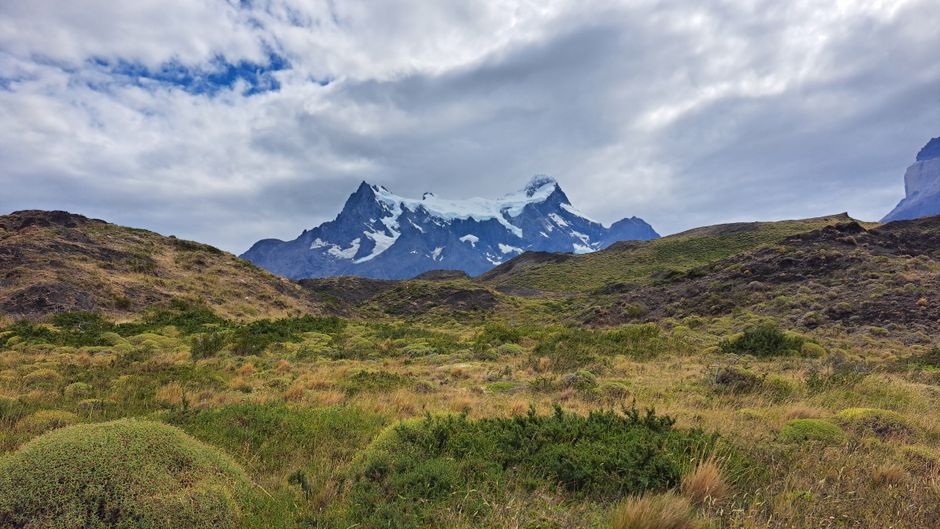
This list is for winter (June–August) in Patagonia. If you are going in summer (December–February), the temperatures are milder — 5°C to 15°C — and the wind is still strong, but you do not need the same insulation. In summer, swap the Nano Puff for a fleece like the Patagonia R1 Air ($139) and the Lowa boots for trail runners like the Hoka Speedgoat 5 ($155).
Also: if you are doing a guided tour where luggage is transferred between hotels, you can bring more clothes. This list assumes you are carrying everything on your back for multi-day treks. If you have a porter or a vehicle, pack an extra pair of socks and a book.
Do not bring this list if you are traveling with small children. Kids generate less heat and need more insulation. For a family trip, add a heavier parka for each child (like the Patagonia Down Sweater Hoody for Kids, $199) and chemical hand warmers. I have not tested this list with kids — my trip was solo.
Final Verdict: The Three Items I Would Not Change
If I had to pick three items that made the trip work, they are:
- Arc’teryx Beta AR Jacket — It kept me dry in horizontal rain and wind that knocked people over. No other jacket I have owned would have survived that.
- Lowa Renegade GTX Mid boots — Dry feet for 14 days. That is the standard. Most boots fail it.
- Icebreaker 200 Oasis base layers — I wore them for 10 days straight between washes. No smell. No itch. No second thoughts.
Patagonia in winter is not a vacation. It is a test of your gear and your patience. Pack smart, and the landscape rewards you. Pack wrong, and you spend your trip cold and wet, watching the wind shred your plans. This list passed the test.
In July 2026, wind speeds at Torres del Paine hit 120 km/h and temperatures dropped to -12°C at dawn. Over 40% of trekkers in Patagonia during winter months report at least one piece of gear failing — usually boots or gloves. I spent two weeks in Chilean and Argentine Patagonia last winter, and here is…