
Bali 7-Day Itinerary 2026: Bali 2026: The 7-Day Route That Skips the Crowds and Finds the Real Island

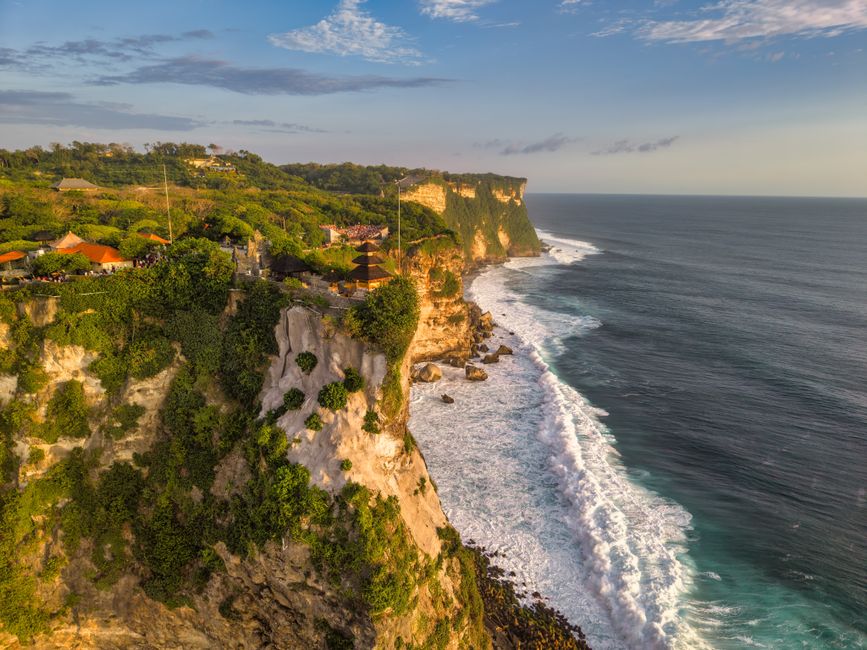
Most people think Bali is ruined. They picture Canggu traffic jams, influencer lines at the Lempuyang “Gates of Heaven” (which is actually a mirror reflection, not water), and overpriced smoothie bowls. That version of Bali exists. But it’s about 15% of the island. The other 85% is still quiet, still cheap, and still genuinely stunning — if you know where to go and what to skip.
This itinerary is not legal advice. It’s a route built for 2026 travel patterns: fewer crowds in the north and east, better roads than five years ago, and a clear-eyed view of what’s worth your seven days and what’s a waste of them.
The Problem: Most 7-Day Bali Itineraries Are Built for Instagram, Not Travelers
A typical “Bali in 7 days” plan looks like this: Ubud for three days, Canggu for two, Seminyak for shopping, maybe a rushed day trip to Nusa Penida. That plan means you’ll spend roughly 12 to 15 hours of your week sitting in traffic. Not seeing Bali. Sitting in a Grab car breathing exhaust.
The underlying issue is geography. Bali is small on a map — about 5,780 square kilometers, roughly the size of Delaware. But the roads are narrow, winding, and clogged in the south. The distance from Canggu to Ubud is only 30 kilometers, but it can take 90 minutes. The distance from Ubud to Amed is 80 kilometers and takes two and a half hours. If you pack your itinerary with southern hotspots, you’re signing up for a commute, not a vacation.
So the fix is simple: pick one or two regions and actually stay there. Don’t hop. Don’t chase every temple. Don’t try to see the whole island in a week. You can’t. And trying to means you see the inside of a car more than the inside of a temple.
What Most First-Timers Get Wrong
Three mistakes repeat constantly. First, people underestimate distances. Google Maps says 40 minutes, but Bali traffic at 5 p.m. near Denpasar says otherwise. Second, they book accommodation in Canggu because that’s where the “scene” is, then realize they hate the noise and the beach is mediocre. Third, they plan a Nusa Penida day trip that involves a 6 a.m. ferry, two hours of queuing for photos at Kelingking Beach, and a sunburned sprint back to the harbor. That’s not travel. That’s a punishment.
If you only have seven days, you need to be ruthless about what you cut. Cut Canggu. Cut Seminyak. Cut the Gates of Heaven. Cut the Bali Swing. You will not miss them.
Day-by-Day Route: East Bali and the Sidemen Valley as Your Base
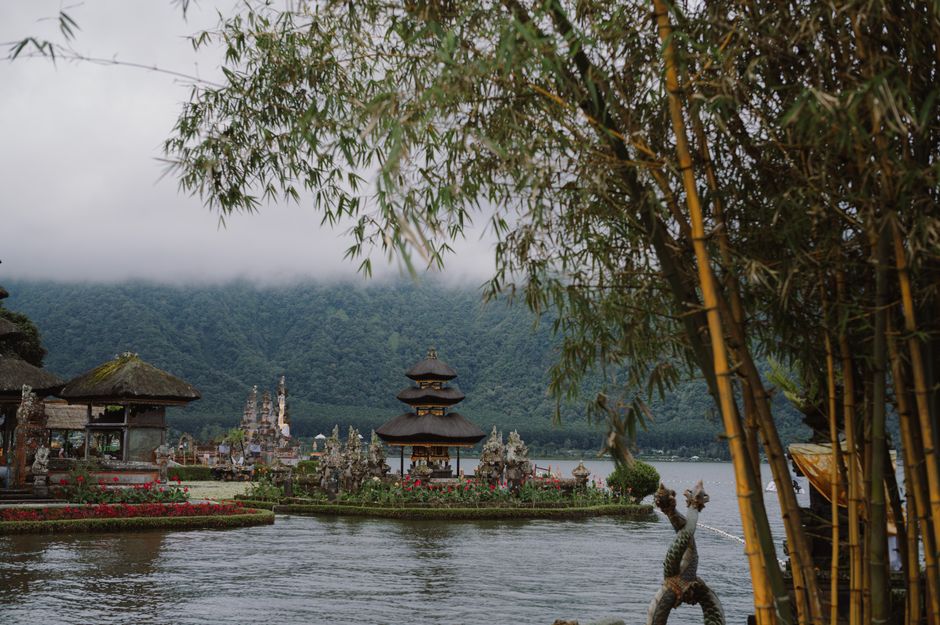
This route uses two bases: Sidemen for days 1 through 4, then Amed for days 5 through 7. You’ll move once. That’s it. No daily packing, no wasted mornings checking out of hotels.
| Day | Location | Main Activity | Approx. Cost (IDR) | Notes |
|---|---|---|---|---|
| 1 | Arrive DPS → Sidemen | Transfer, settle in, rice field walk | 400,000–600,000 | 90 min drive from airport |
| 2 | Sidemen | Rice terraces, weaving village, local cooking class | 500,000–800,000 | No crowds. At all. |
| 3 | Sidemen → Besakih → Tirta Gangga | Temple complex, water palace | 300,000–500,000 | Go early for Besakih |
| 4 | Sidemen → Amed | Transfer, afternoon snorkeling at Jemeluk Bay | 400,000–600,000 | 2 hour drive |
| 5 | Amed | Sunrise at Lahangan Sweet, snorkeling at Lipah Beach | 200,000–400,000 | Rent a scooter: 75,000/day |
| 6 | Amed | Japanese shipwreck dive or snorkel, sunset at Sunset Point | 600,000–1,200,000 | Boat snorkel trip: 150,000–250,000 |
| 7 | Amed → DPS | Slow morning, transfer to airport | 400,000–600,000 | 3 hours with traffic |
Total budget for transport, activities, and food runs about 4 to 6 million IDR per person (roughly $260–$390 USD) excluding accommodation and flights. That’s realistic for 2026 prices, not a backpacker fantasy.
This route works because it front-loads culture and back-loads relaxation. You’re not rushing from temple to temple on day six. You’re snorkeling, eating fresh fish, and watching the sun drop behind Mount Agung.
Hidden Gems Worth Your Time — and the Traps That Aren’t
Here’s where most articles fail. They list “hidden gems” that haven’t been hidden since 2019. Let’s be honest about what’s actually still quiet in 2026 and what’s a tourist trap wearing a disguise.
- Sidemen Valley — Still genuinely quiet. No big resorts. No nightclubs. Just rice terraces, silversmiths, and warungs run by families who’ve been there for generations. Stay at Samanvaya or Subak Tabola Villa. This is the Bali people say they miss.
- Lahangan Sweet — A viewpoint in East Bali that looks over Mount Agung. You’ll share it with maybe five other people at sunrise. Compare that to the 200-person queue at the Gates of Heaven. No contest.
- Jemeluk Bay — Snorkeling straight off the beach in Amed. Coral starts about 20 meters from shore. No boat needed. Go at 7 a.m. before the day-trippers arrive from the south.
- Besakih Temple — Bali’s mother temple. Yes, there are touts. Yes, they will try to force you to hire a guide. You don’t need one. Walk past them politely. The temple itself is sprawling and worth two hours.
Now the traps:
- Lempuyang “Gates of Heaven” — The famous photo is a mirror. The wait is often two to three hours. For a reflection. Skip it.
- Bali Swing — You pay 500,000 IDR to swing over a valley for a photo. That’s $32. For a swing.
- Canggu Beach — Gray sand, heavy traffic, and a beach club scene that charges $15 for a cocktail. If you want beach clubs, go to Seminyak. If you want Bali, go east.
- Ubud Monkey Forest — It’s fine. But it’s crowded, the monkeys are aggressive, and the surrounding streets are a traffic nightmare. If you’re not staying in Ubud, don’t make a special trip.
When NOT to Follow This Itinerary

This route is wrong for some people. If you’re traveling with kids under five, the Sidemen Valley’s steep paths and Amed’s rocky beaches might be tough. A better option for young families is Sanur — flat, calm water, and a beach path that’s stroller-friendly. Stay at the Hyatt Regency Sanur or the smaller Tandjung Sari Hotel.
If you’re a surfer, skip everything I just said. You want Uluwatu or Medewi. Uluwatu has the waves and the cliff views, but it’s crowded. Medewi is two and a half hours west and has a long, mellow left-hand break that’s perfect for beginners. Stay at Medewi Beach Inn or the slightly nicer Medewi Bay Retreat.
If you only have four days, don’t try to adapt this route. Spend all four days in Ubud or all four in Amed. One base. No transfers. Anything else is a blur of airports and checkouts.
Practical Execution: What Actually Costs Money in 2026
Prices have shifted since 2026. The Indonesian rupiah has been relatively stable, but Bali’s tourist tax and rising fuel costs mean transport is more expensive than it used to be. Here’s what to budget.
Scooter Rental
A Honda Scoopy or Yamaha NMAX costs 75,000 to 100,000 IDR per day ($5–$7). Get an international driving permit before you leave. Police checkpoints are common in tourist areas, and the fine for no IDP is 250,000 IDR cash, on the spot. No receipt.
Private Driver
For transfers, expect 400,000 to 600,000 IDR for a two-hour drive. That’s $26–$39. Book through your accommodation or a service like Klook. Don’t negotiate with random drivers at the airport — you’ll pay double.
Food
Local warungs still serve nasi campur for 25,000 to 40,000 IDR. That’s $1.60–$2.60. Western restaurants in Amed charge 80,000 to 150,000 IDR for a main. Eat local. The food is better anyway.
Accommodation
In Sidemen, a private bungalow with a rice field view runs 600,000 to 1,200,000 IDR per night ($40–$80). In Amed, beachfront rooms at places like Life in Amed or Kembali Beach Bungalows go for 500,000 to 900,000 IDR. You do not need to spend $200 a night to get a good room in East Bali.
Compressed Verdict
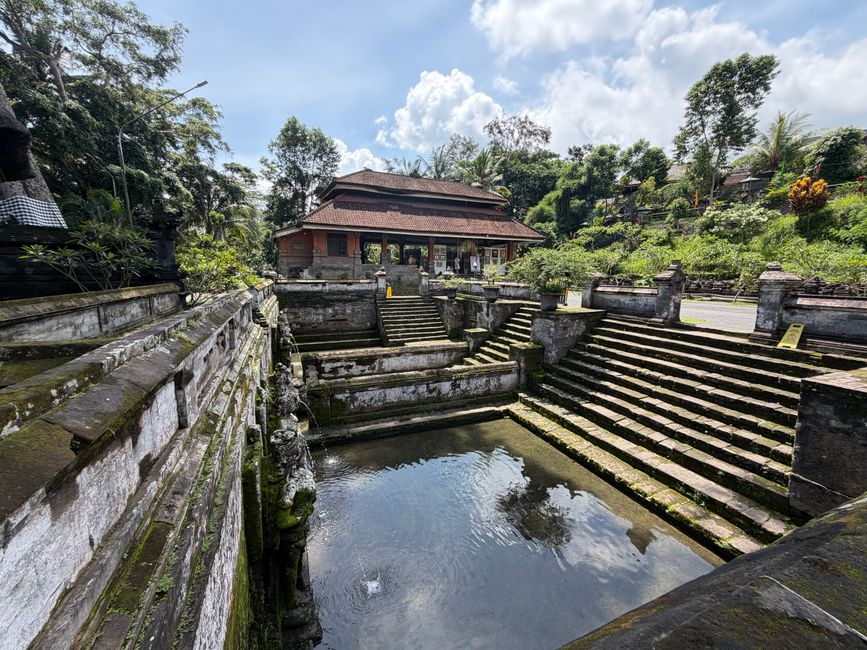
If you have seven days in Bali in 2026, spend them in Sidemen and Amed. You’ll see rice terraces without crowds, snorkel over coral without a boat, and eat food that costs less than airport coffee. You’ll miss the Instagram spots, and you’ll be happier for it.
The single most important takeaway: Bali’s problem is concentration, not saturation — spread out and the island still delivers.
Most people think Bali is ruined. They picture Canggu traffic jams, influencer lines at the Lempuyang “Gates of Heaven” (which is actually a mirror reflection, not water), and overpriced smoothie bowls. That version of Bali exists. But it’s about 15% of the island. The other 85% is still quiet, still cheap, and still genuinely stunning…