
7 Great Ways to Spend More Time Outdoors as a Family

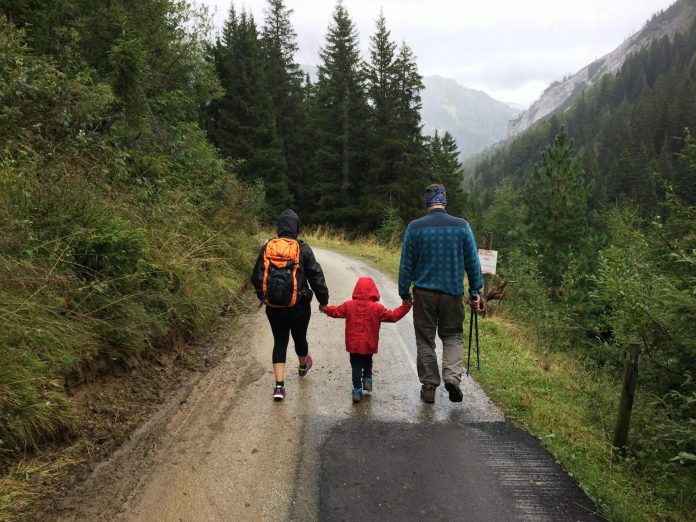
Here’s a misconception worth clearing up first: most families don’t struggle with outdoor time because they’re too busy or don’t care about nature. They struggle because they’ve accidentally turned it into a production. One big trip requiring ideal weather, coordinated schedules, and cooperative moods — and when those conditions don’t align, it simply doesn’t happen.
Picture a Saturday morning. One parent suggests a hike. The kids groan. Someone can’t find their shoes. The trail app crashes on the drive over. The selected trail turns out steeper than the description suggested. The 7-year-old quits at mile one. Back home by noon, everyone staring at screens. The family vows to try again “sometime.”
That “sometime” rarely comes. Not because the family doesn’t want to go outside, but because the failed attempt raised the activation cost of trying again. This is a structure problem — and it has a fix that’s less dramatic than most families expect.
Why Outdoor Time Keeps Slipping Off the Family Calendar
The core issue is what behavioral researchers call activation energy — the effort required to start an activity. When outdoor time requires ideal conditions to succeed, it typically doesn’t happen. Default activities occur automatically. Planned activities need everything to align, and in households with multiple ages, competing schedules, and variable moods, that alignment is rarer than it should be.
The Children & Nature Network, which has tracked outdoor play trends in American families for over a decade, consistently finds that children today spend roughly half the time outdoors that their parents did at the same age. Their researchers’ conclusion isn’t that screens are the sole cause. It’s that outdoor time shifted from default activity to planned activity. And planned activities have a high failure rate.
What Actually Makes Kids Willing to Go Outside
Kids don’t inherently resist nature. They resist boredom and uncertainty.
A trail with no clear end point feels different from a creek where you’re searching for crayfish. The second one has a built-in mission. Research published in the Journal of Environmental Psychology found that children who had specific, goal-oriented activities outdoors — identifying species, navigating to a destination, finding a particular object — were significantly more likely to request outdoor time again than children told simply to “go play outside.”
The practical implication: frame outdoor time around finding or doing something concrete. The activity matters more than the setting.
The Age-Range Problem Most Families Don’t Address
A household with a 5-year-old and a 12-year-old is trying to satisfy two entirely different humans in the same outing. A trail that challenges the older child exhausts the younger one. Activities with a built-in range of engagement solve this problem at the source: both a 6-year-old and a 14-year-old can use the iNaturalist app (free, iOS and Android) and log species simultaneously — competing against each other, not waiting for each other. That single design feature changes the entire dynamic of an outing.
The Seasonal Drop-Off Nobody Plans For
Most family outdoor routines collapse after October and don’t recover until April. Families who don’t plan for this pattern find themselves six months into a screen-heavy winter with no momentum to restart. Short-format outdoor activities — 20-minute stargazing sessions, sunrise walks, snow tracking after fresh snowfall — break the seasonal collapse without requiring cold-weather camping gear or ambitious planning.
7 Outdoor Activities That Work Across Multiple Age Groups
- Geocaching — Free via the geocaching.com app. Over 3 million active caches worldwide. Most families find one within a half-mile of their home on the first search. Kids who refuse to hike will walk 2 miles for a hidden container. The app tracks finds and awards badges, which matters to children who are otherwise indifferent to trail distance.
- Nature journaling — A Rite in the Rain All-Weather Journal ($12) and a waterproof pen is the entire setup. Spend 20 minutes identifying and sketching whatever you find in your yard or the nearest park. No trail, no special shoes, no driving anywhere. Kids who won’t sit through a bird guide will draw a beetle they found in the grass for 15 minutes without prompting.
- Birding by ear — The Merlin Bird ID app (free, Cornell Lab of Ornithology) identifies birds from ambient sound in real time. Open it on any morning walk. Kids who ignore printed field guides become genuinely curious when an app confirms, while they’re still standing under the tree, exactly which hawk is calling above them.
- Creek or tide pool exploration — Bring a net, a bucket, and a field goal: log five species using iNaturalist. The app photographs and identifies wildlife on the spot. Kids compete to find the most unusual species. The competitive element is incidental, but it works across ages better than almost any other outdoor structure.
- Stargazing — SkySafari 7 ($3.99, iOS and Android) turns any phone into a real-time star chart. Fifteen minutes before bed, identify three constellations. Works year-round, costs under $5, and attaching this to a bedtime routine means it happens even on days when outdoor time wasn’t on anyone’s agenda.
- National park passport stamping — The National Park Service Passport To Your National Parks book ($15) has stamp stations at every national park. The NPS Every Kid Outdoors program (everykidoutdoors.gov) gives free annual passes to all fourth-grade students, covering entrance fees at over 2,000 federal recreation sites. If your child is in fourth grade, get this before the school year ends.
- Weekly sunrise or sunset walks — Pick one morning or evening per week, same day, same time. This sounds too simple to be a real strategy. It works because attaching outdoor time to something visually reliable removes the “what should we do?” decision cost entirely. Families who’ve committed to this pattern consistently report it’s the outdoor activity that actually survives contact with real life.
The Right Gear Removes Friction Before It Starts
The biggest gear mistake families make is investing heavily before the habit exists. A tent that sits in a garage because the family hasn’t camped yet isn’t an investment — it’s a guilt object. Start with three categories: footwear, navigation apps, and child carriers for very young kids. Everything else comes after the routine is established.
Footwear — The Item That Determines Whether You Go Back
Kids wearing regular sneakers on a muddy trail complain. Their feet get wet, they get cold, they want to leave at mile one. Put them in waterproof trail shoes, and they don’t notice the mud. That difference in foot comfort is responsible for more abandoned outdoor routines than bad weather and poor planning combined — and it’s the most fixable variable of the three.
The Merrell Moab 3 Kids ($65–$75, sizes 1–7 youth) is the most consistently recommended starting point in the family outdoor community. Waterproof, genuinely supportive on real terrain, available in wide widths. For adults, the Merrell Moab 3 in adult sizing runs $120–$140 with identical construction. Waterproof is non-negotiable. Everything else is preference.
Apps Over Gear for Keeping Kids Engaged
The AllTrails app (free, with a $36/year Pro option) has over 400,000 trails globally, community-submitted reviews, difficulty ratings calibrated by actual users rather than trail signs, and offline maps with the Pro tier. For families burned by trail descriptions that turned out to be misleading, the community reviews are the feature that changes the experience.
Merlin Bird ID (free) and iNaturalist (free) together cover wildlife identification across all taxonomic groups. Both are maintained by reputable scientific institutions, regularly updated, and engaging for children in a way that printed field guides typically are not. Download both. They cost nothing and replace several heavy books.
Child Carriers for Families with Kids Under Four
The Osprey Poco AG Plus ($330) is the clearest single recommendation in this category. It adjusts to fit parents of different heights, has a sun canopy, and has a kickstand for loading without a second person. Carriers under $150 typically lack proper hip belt padding — which means the carrying parent develops back pain by mile two, associates outdoor time with physical discomfort, and stops going. That association is hard to undo, and it’s why many families quietly stop hiking when their youngest child is between 1 and 3.
Outdoor Activity Comparison: Time, Cost, and Age Range
Cost and time are the two friction points families cite most often. Here’s an honest breakdown:
| Activity | Best Ages | Time Needed | Startup Cost | Works in Cold or Rain? |
|---|---|---|---|---|
| Geocaching | 6+ | 1–2 hours | Free (app) | Partially |
| Nature journaling | 5+ | 20–45 min | $12 (Rite in the Rain journal) | No |
| Stargazing | 4+ | 15–30 min | $4 (SkySafari 7) | Clear nights only |
| Birding with Merlin | 7+ | 30–60 min | Free | Light rain okay |
| Creek or tide pool | 3+ | 1–3 hours | $20–30 (net, bucket) | No |
| NPS passport stamping | All ages | Varies by park | $15 (passport book) | Varies by location |
| Sunrise or sunset walk | All ages | 20–45 min | Free | Light rain okay |
The pattern is consistent: the activities most likely to become habits are free or near-free, take under two hours, and don’t require driving to a trailhead. Expensive gear and ambitious destinations come after the habit exists — not before. Families who front-load significant investment most often find their gear unused after a few difficult outings.
Most families need three to five successful outdoor outings before going outside starts to feel normal rather than effortful. Getting through those first five without a catastrophic experience is the actual goal of early outdoor habit-building — not the summit, not the mileage count.
The One Mistake That Ends Family Outdoor Routines
Front-loading ambition. Families who plan a 3-night backcountry trip before anyone has tested a 2-hour day hike typically quit outdoor activities entirely after that first difficult experience. A successful 45-minute walk that everyone finishes is worth more than an epic adventure someone cried through. Build complexity slowly. Boredom at the trailhead is a better outcome than exhaustion, conflict, and a unanimous family vote to never try this again.
Questions Parents Ask Before Getting Started
What if our kids flatly refuse to leave the house?
Don’t negotiate the outdoors. Negotiate the activity within the outdoors.
“We’re going outside” meets resistance. “We’re going to find the geocache hidden near the river” usually doesn’t — at least not as often. Kids who resist hiking rarely resist treasure hunts that happen to take place on trails. The outdoor component becomes incidental to the mission, which is exactly the point.
Persistent refusal typically traces to one of three things: genuine physical discomfort (check footwear and layering before anything else), an activity pitched above the child’s current fitness level, or a history of outdoor time that was boring. The last one resolves when you add a discovery element — an app, a list, a specific target to find. Boredom outdoors is a design failure, not a child failure.
How do we maintain outdoor time through winter?
The Scandinavian concept of friluftsliv — open air life — holds that there is no bad weather, only unsuitable clothing. That’s somewhat idealistic in practice, but the core insight stands: most family outdoor routines collapse in winter because of discomfort, not because winter outdoor activities don’t exist.
The Columbia Bugaboo II Fleece Interchange Jacket for Kids ($80–$100) handles temperatures down to approximately 20°F with a base layer underneath — covering most winter conditions outside of genuinely extreme climates. For cold-weather activities specifically, snow tracking (identifying and following animal footprints in fresh snow) is one of the highest-engagement winter activities for children across all ages. Deer, rabbit, fox, and squirrel tracks appear in suburban parks just as reliably as wilderness areas. No special gear required beyond warm feet.
Do we need to plan far in advance to visit parks?
For high-demand locations, yes. National park campgrounds near major cities — Yosemite, Acadia, Great Smoky Mountains — typically book out months ahead on recreation.gov. State parks generally open reservations 2–4 weeks out, and many maintain walk-in sites. For day-use activities, advance planning is usually unnecessary. AllTrails filters by current conditions, trail length, and distance from your location, which makes spontaneous outdoor time realistic even without a pre-selected destination.
The broader trajectory for family outdoor access is genuinely encouraging — more trail apps, better community-sourced trail data, expanding free-entry programs like Every Kid Outdoors, and growing awareness of how consistent outdoor exposure shapes children’s development over the long term. Families who start building outdoor habits now aren’t just solving a weekend problem. They’re giving their kids a relationship with the natural world that research consistently shows carries forward into adulthood and into the families those children eventually build themselves.
Here’s a misconception worth clearing up first: most families don’t struggle with outdoor time because they’re too busy or don’t care about nature. They struggle because they’ve accidentally turned it into a production. One big trip requiring ideal weather, coordinated schedules, and cooperative moods — and when those conditions don’t align, it simply doesn’t happen.…