
Day Trips from Zurich: Eight Routes Ranked by Value and Effort

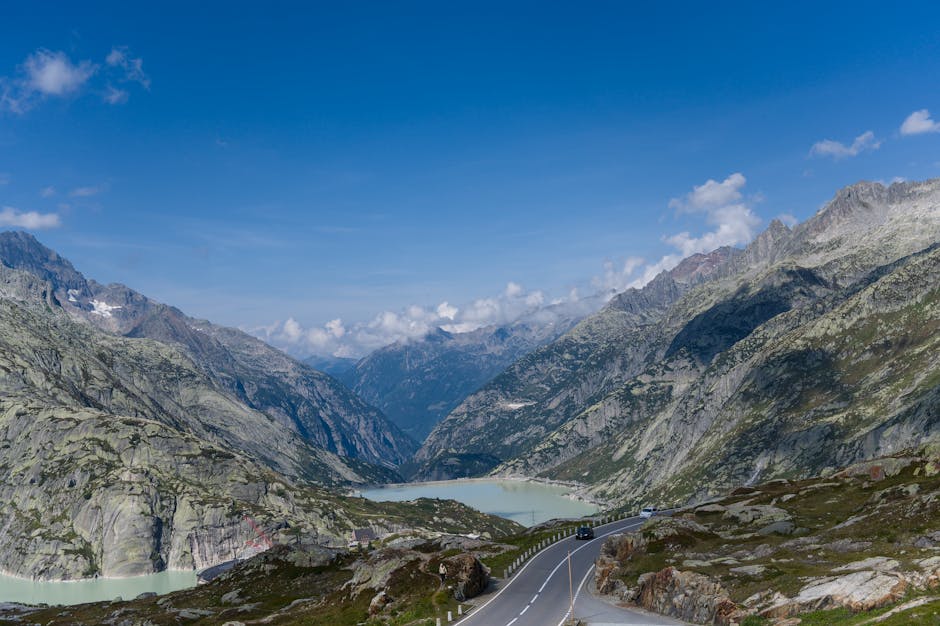
The best day trips from Zurich split cleanly into two groups: ones that justify the journey almost regardless of conditions, and ones that disappoint unless several variables align. Rhine Falls belongs firmly in the first group. Jungfraujoch can go either way — and the difference usually comes down to weather and whether you’ve checked the webcams that morning.
Zurich’s geography is borderline unfair. Within two hours by train, you can stand next to Europe’s largest waterfall by volume, walk through a medieval square with frescoed facades unchanged since the 15th century, reach a working glacier, or cross into Liechtenstein. The Swiss rail network connects all of it directly from Zurich HB (Hauptbahnhof), usually with a single change at most.
The difficulty is deciding which destinations are actually worth your day. Eight routes, assessed without the usual enthusiasm.
Eight Day Trips Compared: Travel Time, Cost, and When to Skip
Travel time from Zurich HB is the most useful filter before anything else. Anything over two hours each way leaves fewer than four hours at the destination on a standard day trip, which changes whether some routes make sense at all.
| Destination | Travel Time Each Way | Approx. Day Cost (CHF) | Best For | Skip If |
|---|---|---|---|---|
| Rhine Falls + Stein am Rhein | 45–60 min | 30–55 | Families, first visits, half-days | You want mountain scenery |
| Lucerne | 50 min | 40–80 | City walks, lake views, culture | High summer weekends (crowds are severe) |
| Bern | 55 min | 35–65 | Architecture, Bear Park, UNESCO old town | You want Alpine scenery rather than a city |
| Mount Rigi (via Vitznau) | 1 hr 40 min | 70–110 | Panoramic views, easy hiking, families | Overcast or rainy days — no view, no point |
| Mount Pilatus Golden Round Trip | 2 hr (from Lucerne) | 100–130 | The definitive Alpine day experience | Tight budgets without a Swiss Travel Pass |
| Titlis (Engelberg) | 1 hr 40 min | 95–120 | Year-round glacier access, rotating cable car | Visitors sensitive to altitude (3,020m) |
| Zermatt + Matterhorn views | 3 hr 15 min | 120–175 | Dedicated Alpine enthusiasts with a full day | Anyone with limited time or tight budget |
| Jungfraujoch | 3 hr 30 min+ | 200–250 | Bucket list, ideal conditions only | Cloudy days, altitude-sensitive visitors, budgets under CHF 200 |
All figures are 2026 approximations for one adult travelling second class, including transport and main site access where applicable. Swiss Travel Pass holders receive 50% off most mountain railways — Rigi, Pilatus, and Titlis — which changes the cost column significantly for any itinerary built around the mountains.
Rhine Falls and Stein am Rhein: The Route That Overdelivers Most Consistently
Rhine Falls is the most underestimated day trip on this list. Most visitors expect something pleasant and leave surprised by the actual scale. At 150 metres wide and 23 metres tall, it carries more water per second than any other waterfall in Europe. In late spring and early summer, when Alpine snowmelt peaks, the sound reaches you well before the falls come into view.
What the Falls Actually Offer (and Which Bank to Choose)
Take the S-Bahn from Zurich HB to Neuhausen am Rheinfall — about 45 minutes, approximately CHF 16 each way without a pass. From the station, the north bank viewing area is a 10-minute walk and entry is free. The south bank, accessed via Schloss Laufen, charges a small entry fee of around CHF 5 but provides elevated platforms and a covered walkway that gets you close enough to feel the spray. If you’re picking one bank, choose the south.
The boat ride to the large rock in the centre of the falls costs approximately CHF 7 and takes around 20 minutes round trip. Do it. Standing on that rock with water cascading on three sides is a completely different experience from either shore, and it’s the detail most visitors mention afterwards.
Adding Stein am Rhein: The Second Half That Makes the Day
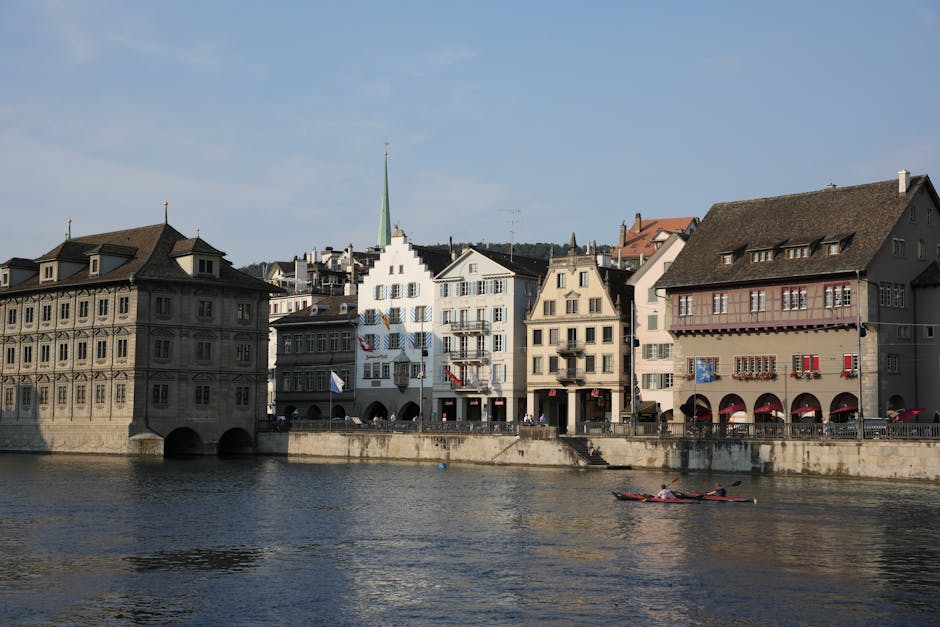
Stein am Rhein sits 25 kilometres upstream from the falls and takes about 35 minutes by regional train. The Rathausplatz — the central town square — is one of the best-preserved medieval squares in the German-speaking world. Every building facade is painted with frescoes, some dating to the 15th and 16th centuries. The town’s permanent population is around 3,000, which means it hasn’t been overwhelmed by tourism infrastructure the way larger Swiss destinations have. Two hours of slow walking is enough to see it properly.
A practical schedule: arrive at Rhine Falls by 10am, spend two hours including the boat ride, take the regional train to Stein am Rhein by 1pm, eat lunch in or near the square, walk the Rhine promenade, back in Zurich by early evening. Total spend for most visitors comes in under CHF 55 with modest eating.
The One Timing Mistake Worth Avoiding
Arriving at Rhine Falls on a Saturday in July after 11am. The south bank car parks fill completely. The boat queue stretches to 45 minutes. The viewing platforms become difficult to move around. The fix is genuinely simple: arrive before 10am on weekends, or visit on any weekday. April and May offer peak water volume from snowmelt with a fraction of the summer crowds.
Lucerne: Almost Always Worth It, Almost Never at the Right Time
Lucerne earns its reputation as the most visited day trip from Zurich. The Chapel Bridge (Kapellbrücke) — a covered wooden bridge dating to 1333, partially rebuilt after a 1993 fire — the Lion Monument carved directly into a cliff face, the old town, and Lake Lucerne’s Alpine backdrop are all within a 20-minute walk of each other and of the train station. On a clear day, the lake framed by the Alps looks implausible for somewhere 50 minutes from a major city.
The crowd problem in July and August is real. The Chapel Bridge area in mid-morning feels like a bottleneck more than a destination. The solution is to take one of the first trains out of Zurich — departures run from around 06:07 — walk the bridge before 9am, reach the Lion Monument by 9:30, and be on the lake promenade with coffee by the time tour groups are still arriving. By 10am you’ve covered the core sights at a human pace.
Lucerne also serves as the gateway to two of Switzerland’s best mountain experiences. The Mount Pilatus Golden Round Trip — lake boat to Alpnachstad, then the world’s steepest cogwheel railway to 2,132 metres, then gondola and cable car back to Lucerne — costs CHF 112 at standard price, or CHF 56 with a Swiss Travel Pass. It’s a full day on its own and shouldn’t be combined with extensive city exploration unless you’re starting before 8am.
For visitors who find Lucerne too busy, Bern is the better alternative. The Swiss capital is 55 minutes from Zurich. The Bear Park (entry free) sits beside the old town. The Lauben — the covered arcade streets that run beneath virtually every building in the UNESCO-listed centre — are genuinely unlike anything else in Europe and require no entry fee to enjoy for hours.
Jungfraujoch and the Mountain Trips: Where Most Day Trips Go Wrong
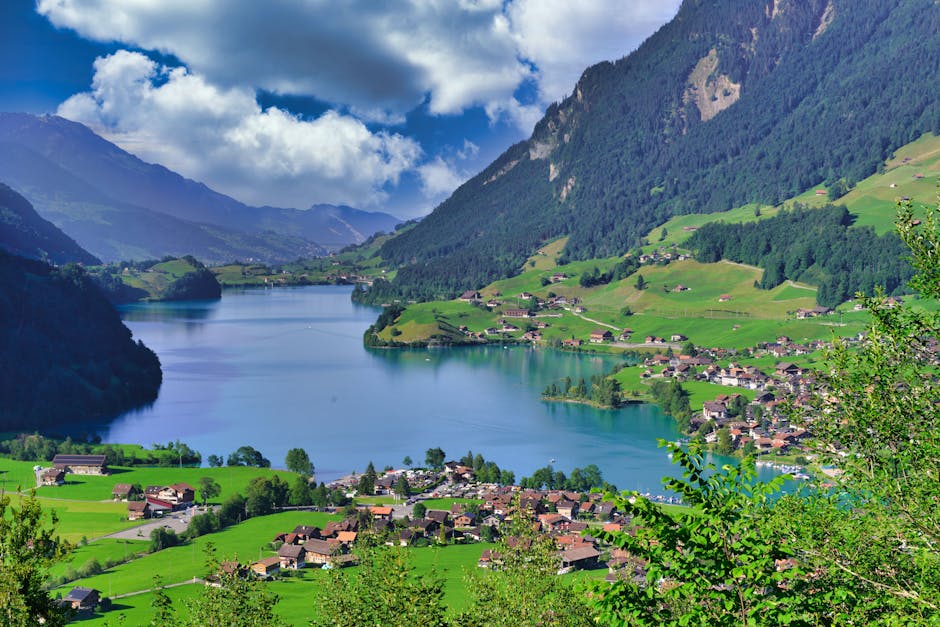
Jungfraujoch is not automatically worth CHF 200 or more per person. That’s the honest position. At 3,454 metres, the highest railway station in Europe, it can be extraordinary. It can also be an expensive trip inside a cloud with a four-hour return journey. Three things have to go right simultaneously, and you control none of them.
- Cloud cover is the deal-breaker. At that altitude, being inside a cloud for your entire visit is a realistic outcome. The Jungfrau region operates official webcams at multiple elevations. Check them the morning of your trip. If there’s significant cloud cover, reschedule or switch to a lower-altitude alternative. This is not a minor risk — it happens regularly throughout summer.
- Travel time consumes the day. Zurich to Jungfraujoch requires roughly 3.5 to 4 hours each way via Bern and Interlaken Ost, plus the cogwheel sections above Grindelwald or Lauterbrunnen. Add two hours at the summit and you have committed a full ten-hour day to one destination. There is no flexibility.
- Altitude affects more people than expected. At 3,454 metres, light-headedness, headaches, and nausea are common. The outdoor Sphinx Observatory observation deck can drop well below freezing even in summer. This matters particularly for children and anyone with cardiovascular sensitivities.
A critical transport note: the Swiss Travel Pass provides only a 25% discount on the final summit railway from Grindelwald or Lauterbrunnen onwards — not the 50% discount available on Rigi, Pilatus, and Titlis. Budget accordingly when comparing options.
Two alternatives that make more sense for most visitors:
- Titlis (Engelberg): 1 hour 40 minutes from Zurich, CHF 96 return at full price, 50% off with a Swiss Travel Pass. The rotating Rotair cable car reaches 3,020 metres with a year-round glacier walkway. Genuinely impressive and vastly better value than Jungfraujoch.
- First (Grindelwald): CHF 60–70 return by cable car from Grindelwald, reaches 2,168 metres with direct Eiger and Wetterhorn views. Shorter travel time, lower cost, and still a legitimate Alpine experience.
Verdict: Jungfraujoch is worth doing exactly once, on a confirmed cloudless morning, without a fixed budget. Any other conditions — check the webcams and visit Titlis instead.
Transport: Swiss Travel Pass vs. Point-to-Point Tickets
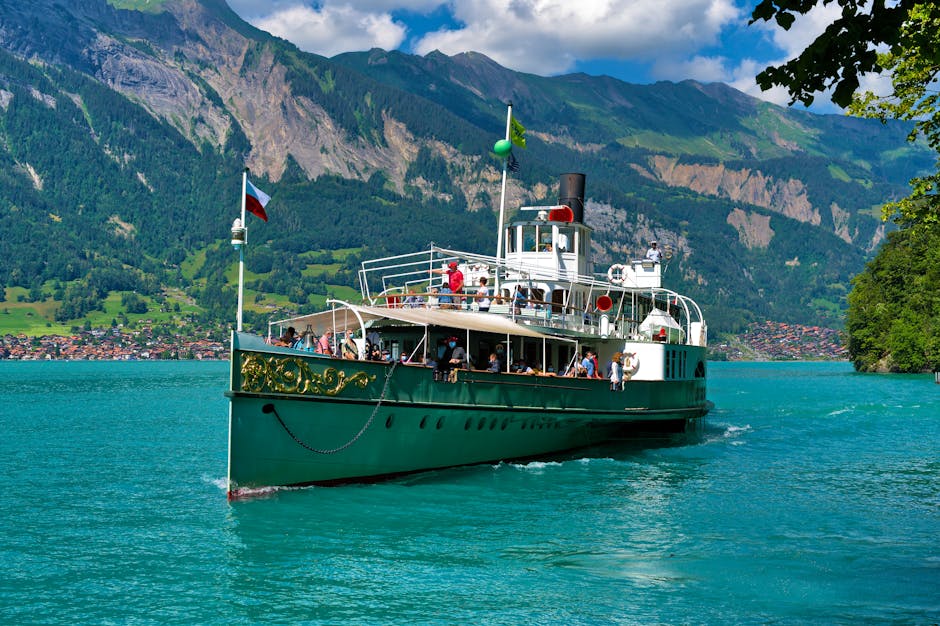
Clear position: if you’re doing three or more day trips from Zurich that include at least one mountain railway, the Swiss Travel Pass pays for itself. If you’re doing one or two trips with no mountain access, buy individual tickets.
The arithmetic for 2026: a 3-day Swiss Travel Pass (2nd class, adult) costs around CHF 244. It covers unlimited travel on SBB trains, buses, and most lake boats, plus 50% off mountain railways. Mount Rigi return from Vitznau normally costs CHF 72. Mount Pilatus Golden Round Trip normally costs CHF 112. Titlis return normally costs CHF 96. One mountain trip at 50% saves CHF 36–56. Two mountain trips in three days and the pass cost difference over point-to-point tickets for the same journeys becomes negligible or better.
What the standard pass does not fully cover:
- Jungfraujoch summit railway (25% discount only, not 50%)
- Some private mountain operators in remote valleys
- Glacier Express and Bernina Express (seat reservations required and charged separately regardless of pass)
For point-to-point travel, the SBB app is the most reliable booking tool. Swiss trains don’t use the dynamic surge pricing that UK and many European railways apply — a ticket bought the morning of travel costs the same as one bought three weeks ahead for domestic routes. Buy it the night before to skip the platform machine queue, not because advance purchase saves money.
On connections: Zurich HB runs on a structured pulse timetable. Most trains depart at consistent minutes past the hour, and connections between platforms are intentionally tight — typically 4 to 8 minutes at interchange stations. This alarms visitors used to UK rail’s looser schedules. Trust it. Swiss punctuality at Zurich HB is not a myth, and the connection intervals are engineered around on-time performance.
| Your Priority | Best Day Trip | Backup Option |
|---|---|---|
| Best value for money | Rhine Falls + Stein am Rhein | Bern |
| Most iconic Alpine scenery | Zermatt (Matterhorn views) | Titlis (Engelberg) |
| Best with children | Rhine Falls (boat ride to the rock) | Mount Rigi (easy walking paths) |
| Best city alternative to Zurich | Lucerne (off-peak timing) | Bern |
| Glacier access, best value | Titlis (Engelberg) | First (Grindelwald) |
| Bucket list, clear days only | Jungfraujoch | Titlis if webcams show cloud |
The best day trips from Zurich split cleanly into two groups: ones that justify the journey almost regardless of conditions, and ones that disappoint unless several variables align. Rhine Falls belongs firmly in the first group. Jungfraujoch can go either way — and the difference usually comes down to weather and whether you’ve checked the…