
2026 Travel Rewards Cards: What’s Worth It

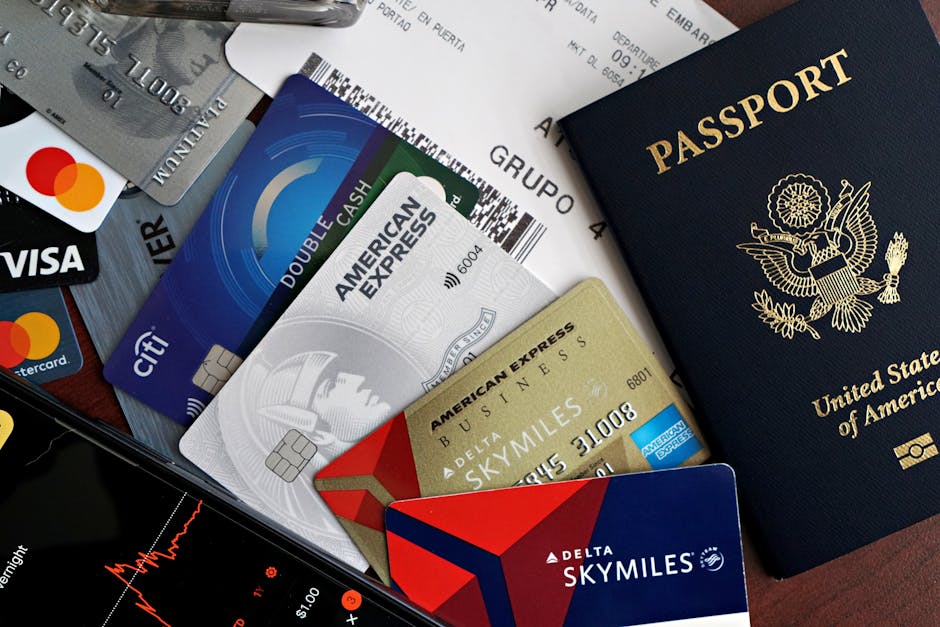
You just logged into your airline loyalty account, ready to book that dream trip, only to see the points required have jumped 30%. Sound familiar? It’s not a glitch. It’s the new normal. The travel rewards game is rigged against the complacent, and 2026 is doubling down on that reality. If you’re not paying attention, your hard-earned points will evaporate faster than a cheap upgrade.
The Great Devaluation: Your Points Aren’t What They Used To Be
Let’s be blunt: airline miles and hotel points are worth less now than they were five years ago. This trend isn’t slowing down for 2026. Loyalty programs are moving away from fixed award charts, embracing dynamic pricing. That means when demand is high, so is the point cost. Simple as that. Forget those sweet spots you read about online last year; many are gone.
Airlines like United MileagePlus and Delta SkyMiles, along with hotel programs such as Marriott Bonvoy and Hilton Honors, have been aggressive. They’re making it tougher to get outsized value. Your 50,000 points might have gotten you a round-trip coast-to-coast flight in business class before. Now? Maybe economy one-way. It’s a clear strategy: increase point liability, reduce actual value. Don’t fall for the marketing hype promising more ways to earn. More ways to earn worthless currency is still worthless.
Dynamic Pricing is Here to Stay
The days of predictable award charts are mostly over. Most major airlines and hotel chains have shifted to dynamic pricing models. This means the number of points required for a redemption fluctuates based on cash prices, demand, and seat availability. Think of it like a stock market for your points, but one where the house always wins. If you see a good redemption, book it. Hesitation costs you.
Impact on Common Redemptions
What does this mean for your typical redemptions? Expect higher point costs for popular routes, peak travel times, and premium cabins. Economy redemptions still exist, but often at inflated rates compared to their cash value. Hotel free night certificates, once a clear win, are now often restricted to specific categories or see their point equivalent soar, forcing you to top up with more points or cash. The value proposition shrinks daily.
Premium Cards in 2026: Still Worth the Hefty Annual Fees?

Premium travel cards boast impressive benefits and even more impressive annual fees. For 2026, the question isn’t just “what do I get?”, but “am I actually using these benefits enough to offset the cost?” For many, the answer is a hard no. These cards are for big spenders and frequent travelers who actually leverage every single credit, not for aspirational users hoping to break even.
Is the Amex Platinum still a travel powerhouse?
The American Express Platinum Card, with its significant annual fee, offers a laundry list of credits: Uber Cash, airline fee credits, Saks Fifth Avenue credits, digital entertainment credits. The issue? Many of these credits require specific spending patterns or are for services you might not use. Its core value remains lounge access (Centurion, Priority Pass, Delta Sky Club when flying Delta) and hotel elite status. If you’re not flying frequently and using those lounges, or staying at Marriott/Hilton properties, you’re paying a lot for very little. It’s a great card for road warriors, but a poor choice for occasional travelers.
Does the Chase Sapphire Reserve justify its cost?
The Chase Sapphire Reserve also commands a high annual fee, but its structure is often more straightforward. The $300 annual travel credit is automatically applied to a broad range of travel purchases, making it easy to use. Its 1.5 cents per point redemption value through the Chase Travel Portal is a solid baseline, and transfer partners like Hyatt and United offer real value. The lounge access is Priority Pass only, which is good but not as exclusive as Amex’s Centurion lounges. For those who value simple travel credits and flexible points, it’s still a strong contender, but its value proposition is tightening as well.
What about the Capital One Venture X?
The Capital One Venture X emerged as a strong challenger, offering solid benefits like a $300 travel credit, 10,000 bonus miles annually, and Priority Pass access, all for a lower effective annual fee. It’s a compelling option for those seeking premium perks without the extreme fees or credit hoops of its competitors. Its straightforward earn rate on all purchases makes it a strong everyday card for many. It’s quickly become a favorite for those tired of chasing niche credits.
Mid-Tier Powerhouses: Where Real Value Lives Now
Forget the flashy premium cards unless you’re truly maximizing them. For most people, the sweet spot for travel rewards in 2026 is firmly in the mid-tier. These cards deliver excellent earning rates on everyday spend categories without demanding an exorbitant annual fee. You get solid benefits without feeling like you’re constantly chasing credits to justify the cost.
Cards like the Chase Sapphire Preferred and the American Express Gold Card are prime examples. They offer robust earning on dining, groceries, and travel, which are common spending areas for nearly everyone. Their annual fees are manageable, and the points earned are highly flexible, allowing transfers to valuable airline and hotel partners. This is where you build a sustainable points balance without breaking the bank.
Earning Categories That Matter
Focus on cards that reward your actual spending habits. If you eat out a lot, a card with bonus points on dining is crucial. If groceries are your biggest expense, target cards with elevated earning there. The Amex Gold, for example, offers 4X points on U.S. supermarkets (up to $25,000 per year) and at restaurants worldwide. The Chase Sapphire Preferred earns 3X points on dining and 2X on travel. These aren’t just minor bumps; they significantly accelerate your point accumulation. Stop accepting 1X on everything if you can get 2X, 3X, or even 4X on your biggest spending categories. It’s basic math.
Hidden Benefits and Point Flexibility
Mid-tier cards often come with underrated benefits. Think primary car rental insurance, trip delay insurance, or baggage delay protection. These aren’t as flashy as lounge access, but they provide genuine value and peace of mind when things go wrong on the road. More importantly, the points earned from these cards are often transferable. Chase Ultimate Rewards and Amex Membership Rewards are incredibly flexible, letting you transfer points to a variety of airline and hotel partners. This flexibility is key to finding those remaining sweet spots and maximizing your redemption value against devaluation trends.
Credit Score Game: Application Strategies for 2026

Applying for travel rewards cards isn’t just about finding the best bonus. It’s a strategic game, and for 2026, the rules are tightening. Banks are more cautious, and your credit profile matters more than ever. Reckless applications will not only hurt your credit score but also lock you out of valuable bonuses. Play smart, or don’t play at all.
Understanding the 5/24 Rule
The Chase 5/24 rule is the elephant in the room. If you’ve opened five or more personal credit cards across any issuer in the last 24 months, Chase will likely deny your application for most of their cards. This isn’t a suggestion; it’s a hard limit. Many applicants still ignore this, only to get instantly rejected. Plan your applications around this rule. Prioritize Chase cards if you want them, then move on to other issuers. It’s non-negotiable.
Why Banks Are Tightening Up
Economic uncertainty makes banks nervous. They’re looking for lower-risk applicants. This means higher credit score requirements, stricter income verification, and less leniency for applicants with a recent flurry of new accounts. They want stable, long-term customers, not just bonus chasers. Expect more scrutiny on your credit history and debt-to-income ratios. Your credit report needs to be impeccable.
Optimizing Your Credit Profile
Before you even think about applying for a new card, ensure your credit profile is in top shape. Pay down debt. Keep your credit utilization low (ideally under 10-20%). Check your credit report for errors. Don’t apply for multiple cards in a short period unless you know what you’re doing and have a specific strategy. A strong credit score (740+) gives you the best chance of approval for premium cards and access to those coveted welcome bonuses. Don’t apply when your score is borderline; it’s a waste of a hard inquiry.
Business Cards: The Untapped Goldmine for Travelers
Most people overlook business credit cards, thinking they don’t qualify. That’s a mistake. If you have any sort of side hustle, freelance work, or even just sell items online occasionally, you likely qualify for a business card. These cards are a for travelers because they don’t count towards your personal 5/24 status with Chase, and often offer massive welcome bonuses and excellent earning categories. It’s free money for your travels, plain and simple.
Business cards are often structured to reward common business expenses, which frequently overlap with personal spending. Think internet bills, office supplies, or marketing. Many also offer excellent general travel rewards. The separation of expenses also simplifies tax time, which is a bonus on its own. Stop leaving points on the table by ignoring this category.
Why Small Businesses Win
Small business owners, even sole proprietors, have access to a completely separate set of credit products. These cards offer higher spending limits, different bonus categories, and, critically, often don’t report to your personal credit report (except in cases of default). This means your personal credit score isn’t impacted by the higher limits or new accounts, keeping your personal credit profile cleaner for future applications. It’s a strategic advantage that few fully exploit.
| Feature | General Business Card Benefits | Personal Card Equivalent |
|---|---|---|
| Welcome Bonuses | Often higher point/cash value | Generally lower point/cash value |
| Credit Reporting | Often not on personal report (except for hard inquiry) | Always on personal report |
| Spending Categories | Tailored for business expenses (e.g., ad spend, shipping) | Tailored for personal expenses (e.g., dining, groceries) |
| Annual Fees | Can be higher, but often offset by business tax deductions | Ranges from none to very high |
| 5/24 Impact (Chase) | Does NOT count towards personal 5/24 status | Counts towards personal 5/24 status |
Separating Personal and Business Spend
Using a dedicated business card is not just for points; it’s crucial for financial hygiene. It keeps your personal and business expenses separate, making tax preparation a breeze and providing a clear record for auditing purposes. Don’t mix funds. Ever. It complicates everything. Even if you’re just starting, establishing this habit early on will save you headaches and potentially unlock significant travel rewards down the line. It’s about being smart, not just chasing a bonus.
Stop Bleeding Points: Your 2026 Redemption Playbook

Earning points is only half the battle. If you don’t redeem them wisely, you’re just collecting shiny objects. For 2026, a smart redemption strategy is more critical than ever, especially with the ongoing devaluations. Forget the idea of saving points for a ‘someday’ trip. Someday, those points will be worth significantly less. The best redemption is the one you make today for a trip you actually plan to take.
You need to be ruthless with your redemptions. Don’t transfer points speculatively. Don’t hold onto large balances hoping for a mythical sweet spot that likely no longer exists. Find a trip, confirm availability, then transfer. It’s a use-it-or-lose-it world. Flexibility is king. Be prepared to pivot destinations or dates if it means getting significantly better value for your points. That’s how you beat the devaluation game.
Transfer Partner Sweet Spots
Even with dynamic pricing, some transfer partners still offer exceptional value. Hyatt, for example, remains a strong transfer partner for Chase Ultimate Rewards, often allowing high-value redemptions for luxury hotels. Airlines like Turkish Airlines Miles&Smiles or Virgin Atlantic Flying Club can still offer unique, low-cost redemptions on partner flights, but these are often niche and require careful searching. The key is to know which partners consistently offer good value and be ready to book when you see it. These opportunities are fleeting.
Booking Portals vs. Direct Transfers
When redeeming, you generally have two main options: booking directly through your card’s travel portal (e.g., Chase Travel Portal, Amex Travel) or transferring your points to an airline or hotel loyalty program. For 2026, direct transfers often provide the highest value, especially for premium cabins or high-end hotels. Booking portals are convenient, offering fixed point value (like 1.5 cents per point with Chase Sapphire Reserve), but you miss out on potentially higher value redemptions through transfer partners and you typically don’t earn loyalty points on those bookings. Always compare the cash price to the points required through both methods before committing. Don’t blindly pick one.
Don’t get caught off guard again. The rules changed. Adapt now, or keep watching your points evaporate.
You just logged into your airline loyalty account, ready to book that dream trip, only to see the points required have jumped 30%. Sound familiar? It’s not a glitch. It’s the new normal. The travel rewards game is rigged against the complacent, and 2026 is doubling down on that reality. If you’re not paying attention,…