
Best Xi’an Luxury Hotels: A Detailed Analysis of Heritage and Comfort

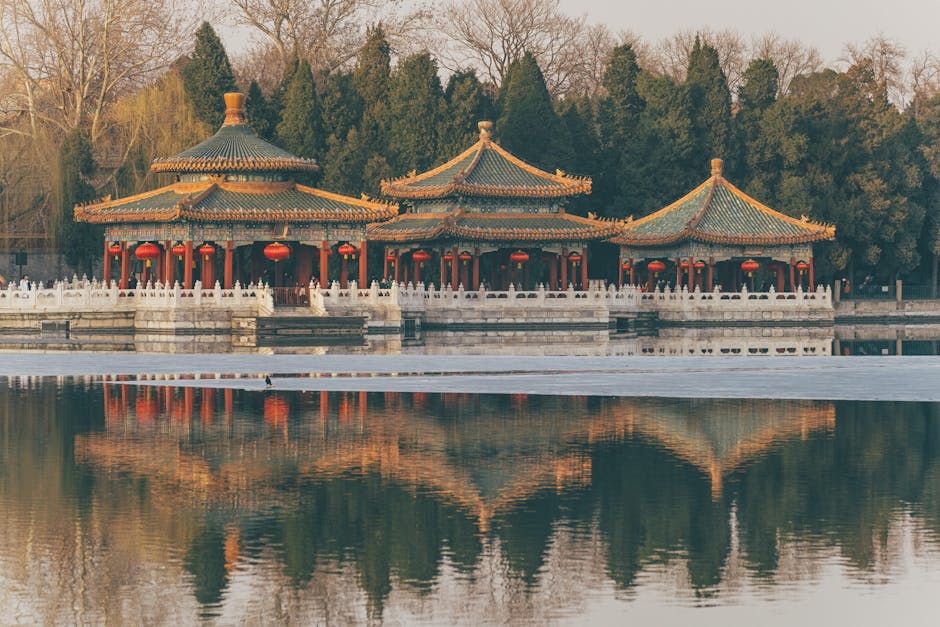
The transition from the chaotic, dust-swirled energy of the Shaanxi plains to the hushed, marble-clad sanctuaries of Xi’an’s five-star properties is a defining experience of the modern Silk Road. Xi’an occupies a space in the Chinese consciousness that few other cities can claim. As the eastern terminus of the Silk Road and the capital for thirteen dynasties, its soil is thick with the weight of imperial history. For the luxury traveler, this creates a unique set of expectations. You aren’t just looking for a high thread count; you are looking for a property that understands its proximity to the Terracotta Army and the ancient fortifications. The hospitality market here has bifurcated into two distinct philosophies: the preservation of mid-century heritage and the embrace of hyper-modern, neon-soaked opulence. Choosing between them requires an understanding of the city’s sprawling geography and the specific logistical hurdles of navigating a metropolis of thirteen million people.
Comparing Xi’an Luxury Hotels by Location and Historical Proximity
The first decision any visitor must make is whether to stay within the ancient City Walls, in the bustling Qujiang District, or in the high-tech business corridors. Each area offers a radically different experience of the city. The area inside the walls is the historical heart, home to the Bell Tower and the Muslim Quarter. However, the streets here are narrow, and traffic can be punishing. Luxury options within the walls are surprisingly limited because building codes are strictly enforced to protect the skyline. Most high-end properties choose to sit just outside the wall or further south in Qujiang, where the architecture is allowed to reach more ambitious heights.
Qujiang is the cultural playground of modern Xi’an. It is where you will find the Big Wild Goose Pagoda and the Great Tang All Day Mall. The hotels here, like the W and the Westin, lean heavily into the Tang Dynasty aesthetic but with a 21st-century filter. If your goal is to walk out of your lobby and into a curated park or a high-end shopping mall, Qujiang is superior. Conversely, the Gaoxin (High-Tech) district is where the Ritz-Carlton resides. It is the financial engine of the city. While it lacks the immediate historical charm of the center, the service standards are often higher because they cater to a demanding international corporate clientele. The trade-off is a 30-minute taxi ride to almost any major tourist site.
| Hotel Name | District | Approx. Price (USD) | Best For | Key Amenity |
|---|---|---|---|---|
| Sofitel Legend Peoples Grand | City Center | $280 – $450 | Heritage & History | Personal Butler Service |
| W Xi’an | Qujiang District | $190 – $320 | Design & Nightlife | Outdoor Balconies |
| The Ritz-Carlton, Xi’an | Gaoxin (High-Tech) | $210 – $350 | Service & Business | Club Lounge Access |
| Angsana Xi’an Lintong | Lintong District | $160 – $280 | Hot Springs & Warriors | 25 Private Mineral Pools |
| Grand Hyatt Xi’an | Gaoxin (High-Tech) | $150 – $260 | Modern Architecture | Sky Bridge Dining |
The geography of Xi’an is circular, radiating outward from the Bell Tower. The closer you stay to the center, the more you feel the gravity of history, but the more you must contend with the logistical friction of a dense, ancient urban core.
Reviewing the Best Five-Star Hotels for Heritage and Architecture
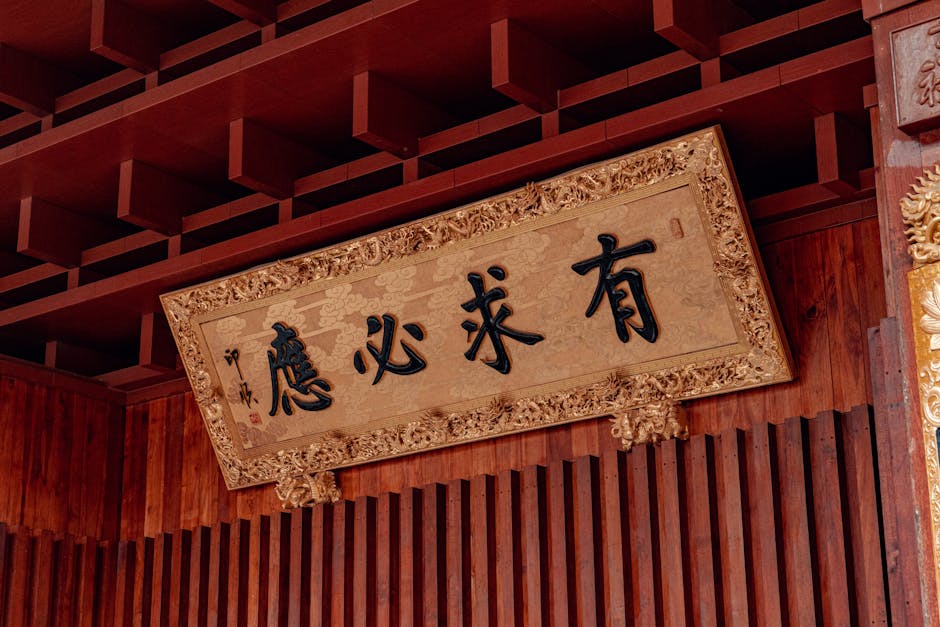
If you are traveling to Xi’an specifically for its history, staying in a building that reflects that lineage is logical. The Sofitel Legend Peoples Grand Hotel Xi’an is the undisputed heavyweight in this category. It is one of only a handful of “Legend” branded Sofitels globally, a designation reserved for properties with significant historical importance. Built in 1953 by architect Hong Qing, the building was originally used to house foreign dignitaries and heads of state. Its architecture is a fascinating hybrid of French classical and Soviet-influenced monumentalism, featuring high ceilings, wide hallways, and 40,000 square meters of lush, private gardens that serve as a rare sanctuary from the city’s noise.
Sofitel Legend Peoples Grand Hotel Xi’an
This property functions more like a museum than a standard hotel. Guests are assigned a private butler who handles everything from restaurant reservations to museum tickets. The rooms are decorated with a restrained elegance—think dark woods, silk wall coverings, and claw-foot tubs. The standard “Premium Room” offers approximately 50 square meters of space, while the Imperial Suite provides a palatial 220 square meters.
- Price: Typically $320 – $450 per night.
- Specs: 71 rooms and suites, Hermes bathroom amenities, 24-hour butler service, and an on-site museum detailing the building’s political history.
- Pro: Unmatched historical atmosphere and the most central location for exploring the Muslim Quarter and the 14th-century City Wall.
- Con: The plumbing and electrical infrastructure, while renovated, can occasionally show the building’s age; the lighting in rooms is intentionally dim to maintain the heritage feel.
Another strong contender for those who appreciate architectural integration is the Grand Hyatt Xi’an. Located in the High-Tech zone, its exterior is a striking feat of modern engineering—two towers joined by a sky bridge at the 22nd floor. However, the interior design by LTW Designworks is where the heritage comes in. The lobby is a multi-story interpretation of a desert palace, with wooden slats mimicking the shifting sands of the Silk Road and large-scale installations of white ceramic birds. It is a masterclass in how to be modern without being generic.
- Price: Approximately $150 – $260 per night.
- Specs: 396 rooms, floor-to-ceiling windows, and a signature restaurant on the 22nd-floor sky bridge.
- Pro: The Sky Bridge restaurant offers some of the best panoramic views of the city’s expansion; the “Grand Club” lounge is one of the most spacious in China.
- Con: The location is far from the traditional tourist path, requiring significant transit time (often 40 minutes) to reach the Terracotta Warriors or the City Wall.
Analysis of Modern Luxury in the Qujiang and High-Tech Zones
For a segment of travelers, the appeal of Xi’an is its current status as a booming modern metropolis. The hotels in the Qujiang district reflect this energy. The W Xi’an is perhaps the most visually aggressive hotel in the city. It is massive—one of the largest W properties in the world, spanning over 80,000 square meters. The design is a psychedelic tribute to the Tang Dynasty. Imagine neon-lit sculptures that look like ancient pottery and a lobby that feels like a futuristic nightclub. It is not for everyone. If you want a quiet place to read a book, look elsewhere. But if you want to see how the young, wealthy elite of China spend their weekends, this is the place.
W Xi’an: A Neon Perspective
The rooms at the W are exceptionally large, starting at 63 square meters. Every room features a balcony, which is a rarity in the city, overlooking the Qujiang Pool Park. The technology is seamless, with everything from lighting moods to curtain controls managed via a bedside tablet. The bathrooms feature oversized round tubs and Bliss Spa products.
- Price: Around $190 – $320 per night.
- Specs: 385 rooms, all with balconies; “Wet” indoor and outdoor pools; “Away” Spa with signature Shaanxi-inspired treatments.
- Pro: The breakfast buffet at “Wei” is arguably the most extensive in the province, featuring everything from local Biang Biang noodles to high-end French pastries.
- Con: The aesthetic can feel overstimulating; the bass from the lobby music can sometimes be heard in lower-floor rooms during events.
In contrast, The Ritz-Carlton, Xi’an offers a more sober, refined luxury. Located in the Gaoxin district, it avoids the neon-heavy design of the W in favor of textured stone, fine art, and a sophisticated color palette of greys and golds. The Ritz is where you stay if you want to be insulated from the chaos of the city. Their rooftop bar, Flair, is a destination in its own right, offering craft cocktails with a view of the surrounding skyscrapers. The service here is the most consistent in Xi’an, adhering to the brand’s global “Gold Standards.”
- Price: Usually $210 – $350 per night.
- Specs: 283 rooms, Asprey bathroom amenities, and four distinct dining venues including Jing Xuan (Cantonese) and Tasuro (Japanese).
- Pro: The Club Lounge is exceptional, offering five food and beverage presentations daily, including a high-quality afternoon tea and evening cocktails.
- Con: The immediate neighborhood is mostly office buildings and high-end residential towers, lacking the street-level character found in the Muslim Quarter.
Evaluating Resort-Style Luxury and Thermal Spa Experiences in Lintong
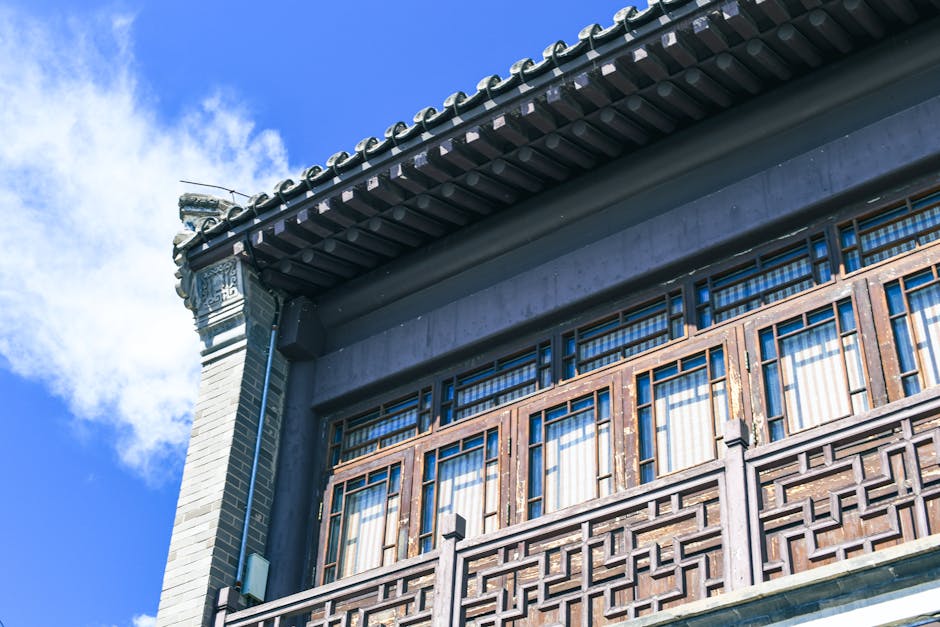
A significant number of travelers treat Xi’an as a two-day stop to see the Terracotta Army. However, the Lintong district, where the warriors are located, has developed into its own resort destination. This is largely due to the Huaqing Hot Springs, which have been used for thousands of years, most famously by Yang Guifei, the beloved concubine of Emperor Xuanzong. Staying in Lintong allows you to beat the crowds to the museum in the morning and soak in mineral-rich waters in the evening. It is a different pace of life than the city center, characterized by low-rise architecture and mountain views.
The Angsana Xi’an Lintong is the primary player here. It is designed to look like a Tang Dynasty palace complex, with low-slung buildings and interconnected courtyards. The property is sprawling, requiring golf carts to navigate between some wings. Its main draw is the outdoor hot spring center, which features 25 different pools with various herbal infusions, such as jasmine, ginger, and green tea. For families or couples, this offers a level of relaxation that is impossible to find at the city-center business hotels.
Angsana Xi’an Lintong
The rooms are warm and residential, featuring plenty of wood and traditional Chinese motifs. Many rooms come with private balconies overlooking the Lishan Mountain range. The property also features a dedicated kids’ club, making it the best luxury option for families traveling with children.
- Price: Approximately $160 – $280 per night.
- Specs: 400 rooms and suites, 25 hot spring pools, and a 600-meter jogging track within the gardens.
- Pro: Direct access to authentic hot springs and only a 15-minute drive to the Terracotta Army Museum.
- Con: You are isolated. If you want to go back into Xi’an for dinner or a show, it is a 45-to-60-minute drive depending on traffic.
A secondary option in this area is the Gran Melia Xi’an, though it sits on the edge of Qujiang rather than in Lintong proper. It bridges the gap between a city hotel and a resort. It overlooks the Tang Paradise theme park and offers a Spanish-influenced luxury that is unique in the city. The gardens are meticulously manicured, and the outdoor pool is a major draw during the hot Xi’an summers. It is a middle-ground choice for those who want the space of a resort without the isolation of Lintong.
- Price: Often around $140 – $220 per night.
- Specs: 389 rooms, RedLevel service (premium floor), and an extensive outdoor garden that borders the lake.
- Pro: Excellent value for money; the Spanish restaurant “Gran Via” is highly rated for its authenticity.
- Con: The hotel can get very busy with domestic tour groups during Chinese public holidays, leading to long wait times at check-in.
Strategic Planning: Avoiding Common Luxury Travel Pitfalls in Xi’an
Navigating the luxury market in Xi’an requires more than just a high budget; it requires timing. One of the most common mistakes travelers make is underestimating the “Xi’an Traffic Factor.” The city is built on a grid, but the ancient gates act as bottlenecks. If you stay in the Gaoxin district and plan to visit the Terracotta Army during rush hour, you may spend three hours of your day in the back of a car. To maximize a luxury stay, consider the following advice:
- The Split-Stay Strategy: Spend your first two nights at a property like the Sofitel Legend to explore the City Wall and the Muslim Quarter. Then, move to the Angsana Lintong for your final night. This places you minutes away from the Terracotta Warriors, allowing you to arrive at the gates when they open at 8:30 AM, beating the massive tour bus crowds from the city.
- Private Transfers vs. Apps: While Didi (the Chinese equivalent of Uber) is efficient, luxury travelers should arrange private hotel cars for the trip to Lintong. The highway can be treacherous, and having a dedicated driver who knows the specific hotel entrances saves significant time.
- Seasonal Awareness: Xi’an’s climate is extreme. In the summer (July-August), the heat is oppressive, making the outdoor pools at the W or Gran Melia essential. In the winter, the air can be dry and cold, making the hot springs at Angsana a much more attractive proposition.
- Booking the Club Level: In Chinese luxury hotels, the “Club Level” is often worth the surcharge. The lounges in Xi’an, particularly at the Ritz-Carlton and Grand Hyatt, offer full breakfast, afternoon tea, and a dinner-buffet-quality evening spread. Given that navigating the city for food can be exhausting, having a high-end dining option on-site is a major convenience.
The Gastronomic Dimension: Fine Dining within the Five-Star Circuit
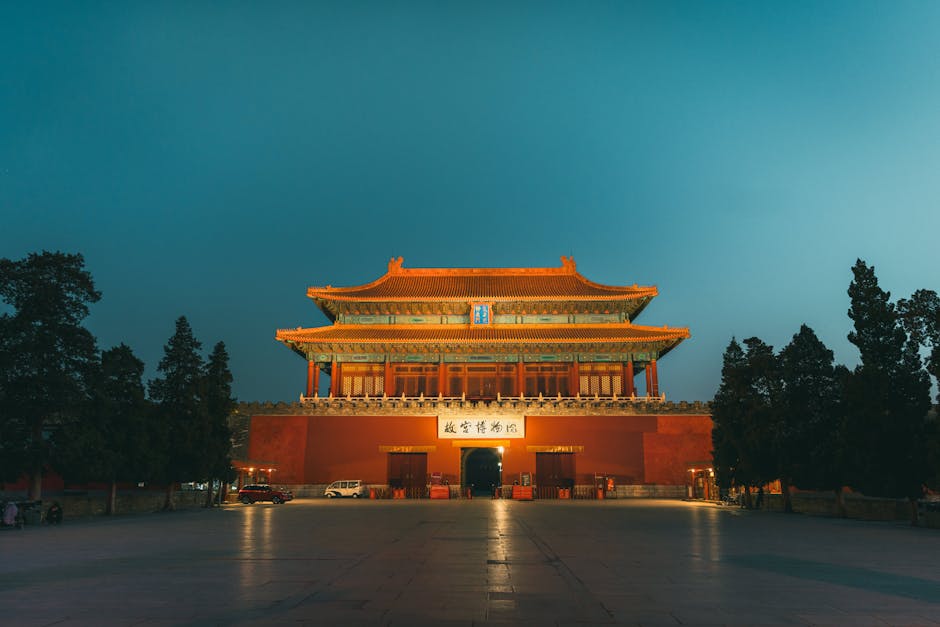
Xi’an is world-famous for its street food—lamb skewers, cold noodles, and “roujiamo” (meat burgers). However, the luxury hotels offer a refined way to experience these flavors without the humidity and noise of the Muslim Quarter. The Jing Xuan restaurant at the Ritz-Carlton is a standout, serving Cantonese cuisine with Shaanxi influences in a setting of understated elegance. For those seeking the local specialty, the Grand Hyatt’s Sky Bridge offers a “Silk Road” themed menu that traces the culinary history of the region from Xi’an to the Mediterranean.
When selecting your accommodation, consider the “Silk Road” fatigue. Xi’an is a dusty, loud, and intensely busy city. The luxury hotels here serve as vital decompression chambers. Whether you choose the historical weight of the Sofitel Legend or the modern spectacle of the W, the goal is to find a property that provides a counterpoint to the sensory overload of the city’s archaeological sites. Ultimately, the Xi’an luxury market is a reflection of China’s broader transformation. You see it in the way a 1950s government guest house now serves French pastries, and in the way a modern skyscraper uses 3,000-year-old silk patterns in its carpet design. The hotels aren’t just places to sleep; they are the latest layer of history being laid down in a city that has seen it all.
The transition from the chaotic, dust-swirled energy of the Shaanxi plains to the hushed, marble-clad sanctuaries of Xi’an’s five-star properties is a defining experience of the modern Silk Road. Xi’an occupies a space in the Chinese consciousness that few other cities can claim. As the eastern terminus of the Silk Road and the capital for…