
Korea Winter Packing List: What to Actually Bring (and Leave at Home)

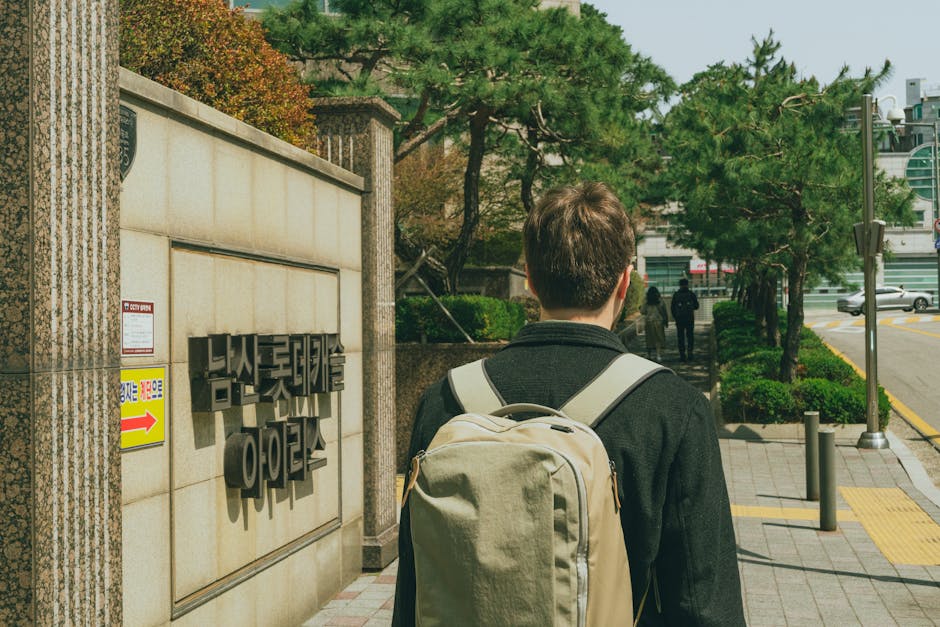
Picture this: you step off the plane at Incheon in January, rolling a suitcase packed with your heaviest ski gear, and within forty minutes you’re sweating through your thermal base layer on Seoul’s underground metro. The ondol underfloor heating in your guesthouse has the room sitting at 26°C. The massive parka you wore on the flight is now stuffed under your arm as you queue for tteokbokki at a stall in Gwangjang Market.
That’s the Korea winter trap. The cold outside is real — Seoul averages a low of -6°C in January — but so is the heat indoors. Getting the packing right means understanding both environments simultaneously.
Korean Winter Temperatures: The Two-Climate Problem
Most generic advice says “bring a heavy coat.” That misses the core challenge. Korean winters split into two genuinely different thermal environments: outdoor temperatures driven by dry, biting wind off the northwest, and aggressively heated interiors — department stores, subway carriages, and restaurants that routinely hit 22-26°C. You move between them dozens of times a day.
| Month | Seoul Avg Low | Seoul Avg High | Wind Chill Risk | Snow Likelihood |
|---|---|---|---|---|
| December | -3°C (27°F) | 5°C (41°F) | Moderate | Low to medium |
| January | -6°C (21°F) | 2°C (36°F) | High | Medium |
| February | -4°C (25°F) | 4°C (39°F) | Moderate to high | Medium |
Busan runs warmer — January lows around -1°C — so a Seoul-focused itinerary and a Busan-focused one call for different configurations. Gangwon Province, where Yongpyong and High1 ski resorts sit, can drop to -15°C or colder. If your trip includes mountain areas, the entire packing equation shifts.
One variable most guides skip entirely: fine dust. Korea’s air quality typically worsens in winter months as cold fronts push particulate matter in from the northwest. KF94 masks — Korea’s certified standard filtering 94% of fine particles — are a practical item here, not a stylistic one. Budget for that in your packing.
The practical upshot: your packing needs to handle -6°C wind exposure at Gyeongbokgung Palace’s outer courtyards and 24°C subway warmth within the same hour. A single heavy jacket doesn’t solve that. A layering system does.
Building a Layering System That Works for Seoul’s Climate
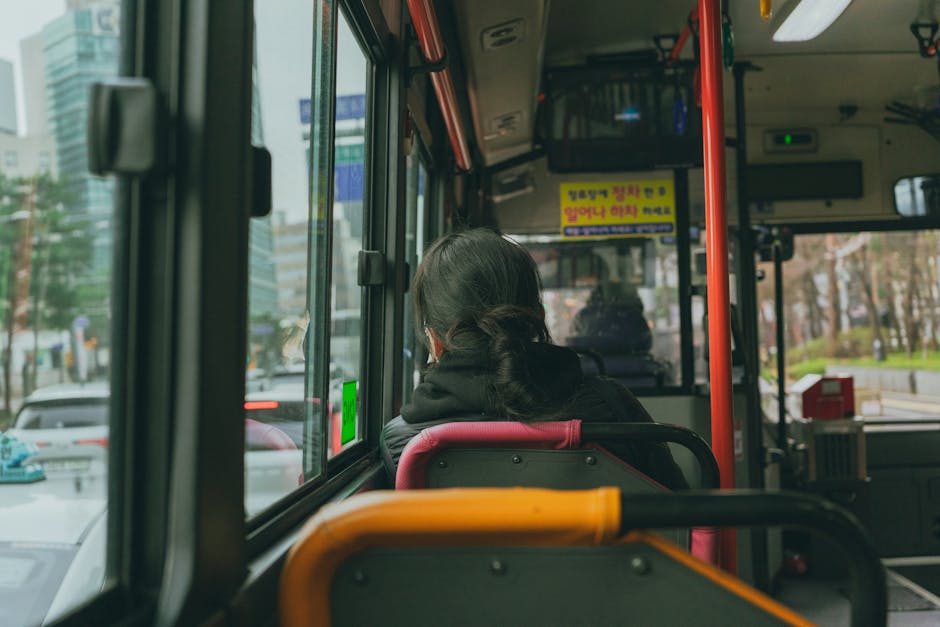
This is the central problem most first-time Korea winter travellers get wrong. They pack one large parka and nothing underneath, then discover they’re permanently either too hot or too cold with no middle setting.
Base Layer: Prioritise HeatTech Ultra Warm or Merino
The correct starting point for most travellers is Uniqlo HeatTech Ultra Warm — not the standard HeatTech, which is too thin for January temperatures. The Ultra Warm top retails at around £28 in the UK and £20 for the leggings. Bring two to three tops and two pairs of leggings. They pack to almost nothing. That’s the budget option done correctly.
If your skin runs dry in cold weather, the Smartwool Classic All-Season Merino Base Layer Top (~£75) is worth the extra cost. Merino handles moisture better on high-activity days and doesn’t hold odour the way synthetic base layers do — useful when you’re walking 15,000 steps through Bukchon Hanok Village and then heading straight to dinner.
Mid Layer: This Is Where You Actually Control Temperature
A packable down jacket or vest does the work here. The Uniqlo Ultra Light Down Jacket (~£69) compresses into its own pocket and goes in your day bag when you’re indoors. The Patagonia Down Sweater (~£229) performs at a comparable level with better durability and more ethical sourcing credentials if that matters to your purchasing decisions.
Fleece is an alternative in damp conditions, though Korean winters are generally dry. For most Seoul itineraries, packable down is the more practical choice — you can stuff it away when you step into a heated underground shopping arcade and pull it back on when you resurface.
Outer Layer: One Shell, and One Only
You want a wind-resistant outer layer with moderate insulation. For trips that aren’t ski-resort-focused, a mid-weight insulated jacket outperforms a full ski parka. The Columbia Bugaboo Interchange jacket (~£170) is a strong mid-range pick. Arc’teryx Beta AR (~£550) handles mountain conditions if Gangwon Province is on the itinerary.
One note worth making: extremely puffy ski-style jackets read as conspicuously tourist in Seoul’s fashion-conscious neighbourhoods — Hongdae, Apgujeong, and the Seongsu area. That’s not a reason to freeze. It is a reason to consider a fitted insulated shell over a billboard-style down parka, if aesthetics factor into your travel experience.
Don’t forget your legs. Thick-knit straight-leg trousers over HeatTech Ultra Warm leggings is the practical solution. Regular jeans over nothing in -5°C wind chill will make any outdoor palace visit miserable within twenty minutes. Columbia’s Back Bowl lined pants (~£100) handle most situations without looking like ski gear.
Footwear for Korean Winters: Warmth Against Practicality
The verdict first: bring one pair of waterproof insulated boots and one pair of clean, easy-on slip-on shoes. That’s the correct two-shoe strategy for Korea winter.
The slip-on shoes exist for a reason specific to Korean culture. You remove footwear at many traditional restaurants serving meals on floor cushions, at jimjilbangs (Korean communal bathhouses), at some temple interiors, and at hanok guesthouses. Lace-up winter boots make this process slow and awkward. A clean pair of simple leather or canvas slip-ons — not athletic slides — handles all of these situations smoothly.
| Boot | Insulation | Waterproof | Sole Grip | Best For | Approx UK Price |
|---|---|---|---|---|---|
| Sorel Caribou | 9mm felt + 1.5mm rubber | Yes | Good | Heavy cold, city walking | £150–£180 |
| Merrell Thermo Chill | 200g synthetic | Yes | Very good | Active sightseeing, Seoul streets | £120–£140 |
| Columbia Bugaboo Chukka | 200g insulation | Yes | Moderate | Mild winter, urban only | £90–£110 |
| Baffin Impact | -100°C rated | Yes | Excellent | Gangwon ski resorts, mountain areas | £160–£200 |
For most Seoul-focused trips, the Merrell Thermo Chill is the practical recommendation. It handles Seoul’s -6°C during typical activity levels, has reliable grip on icy pavements, and packs lighter than the Sorel Caribou. The Caribou is warmer but adds meaningful weight to your luggage.
One hard rule: don’t buy cheap last-minute winter boots. Thin-soled boots on icy Seoul side streets — particularly around Insadong and Bukchon — are a genuine slip hazard. Korean winters are dry, which means ice doesn’t always look icy.
The Three Accessories That Actually Determine Comfort
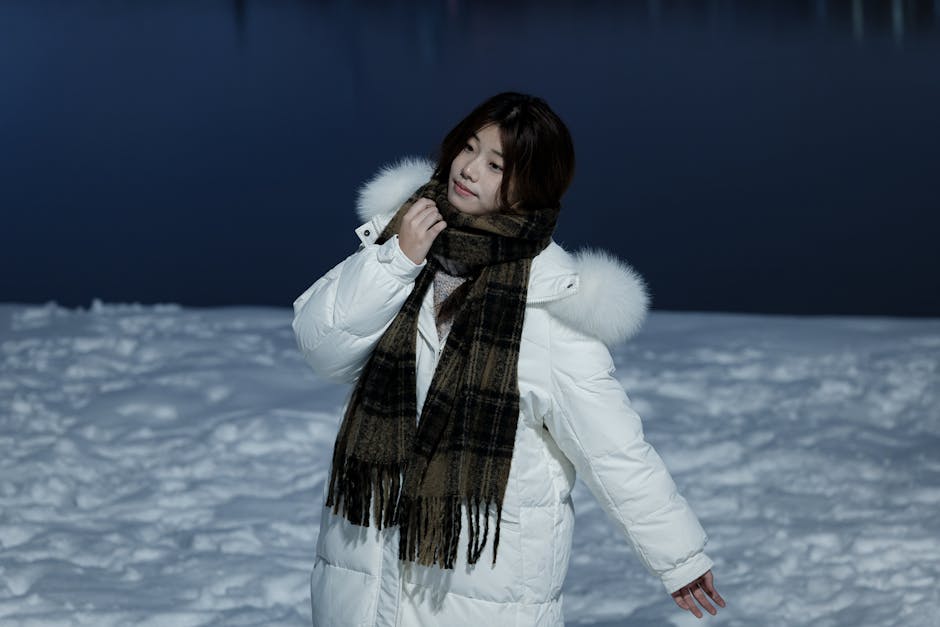
A quality wool beanie, a neck gaiter, and liner gloves under waterproof shell mitts. That combination does more for day-to-day warmth than upgrading from one jacket to a better one.
The specific picks that hold up: the Buff Heavyweight Merino Wool neckwarmer (~£35) functions as both neck gaiter and face covering in wind, packs completely flat, and survives a trip through a washing machine. For liner gloves, thin merino touchscreen-compatible gloves (~£20 from most outdoor retailers) mean you keep your phone functional without removing your hands from protection. Add waterproof shell mitts over the top for long outdoor stretches and remove them indoors.
Don’t skip the lip balm and hand cream. Korean winter air is genuinely dry. Neutrogena Norwegian Formula Hand Cream (~£5) is dense enough to handle multiple days of cold exposure without constant reapplication.
Packing Mistakes That Make Korean Winter Trips Harder Than They Should Be
- Packing individual thick sweaters instead of a layering system. Three bulky sweaters take more luggage space than HeatTech base layers plus a packable mid layer plus a shell. They also perform worse across temperature swings.
- Bringing a full-size umbrella. Daiso, Korea’s ubiquitous discount store, sells compact umbrellas for around 1,000–2,000 KRW (under £1.20). Save the space for something actually useful.
- Forgetting a waterproof electronics pouch or dry bag. Snow is occasional, but condensation is constant when you move from -5°C outdoor air into a 22°C heated underground mall. Camera lenses fog badly. Phones can accumulate moisture.
- Packing formal shoes for Seoul evenings. Itaewon and Hongdae venues are casual-smart at most. Clean insulated Chelsea boots work for both daytime temples and evening restaurants without adding a third pair of shoes.
- Skipping the reusable bag. South Korea charges for single-use bags in most retail environments. A lightweight tote or stuff sack takes up no meaningful space in your luggage.
- Choosing a large rolling suitcase for a city trip. Seoul’s older neighbourhoods — Bukchon, Insadong, Ikseon-dong — have uneven cobblestone streets that make rolling luggage a genuine ordeal. A 40L carry-on backpack or compact 21-inch spinner handles most 7–10 day trips and avoids checked baggage delays at Incheon.
What to Buy Before You Go vs. What to Buy in Korea
Should you buy winter clothing in Korea?
Yes, selectively. Korean outdoor brands — Blackyak, K2 Korea, and Millet Korea — produce excellent technical cold-weather gear. A Blackyak softshell jacket sold in Seoul for around 150,000 KRW (~£85) would typically cost £130 or more in the UK for equivalent quality. Korean department stores like Lotte and Hyundai carry full ranges of these brands.
What you should not leave to chance buying in Korea: footwear. Korean sizing typically runs narrower, and selection above EU 43 / UK 9 is limited in most shops. If you have wide feet, bring your boots from home.
What about skincare for Korean winter?
Buy it there. Olive Young — Korea’s main pharmacy and beauty chain, found in most neighbourhoods — carries moisturisers and treatments formulated for dry winter conditions at better prices than UK equivalents. The Cosrx Hydrium Moisture Power Enriched Cream retails at around 6,000 KRW (under £4) and the Laneige Water Sleeping Mask at around 25,000 KRW (~£14). Both are worth picking up in Seoul rather than importing from the UK.
The definitive checklist: bring vs. buy there
| Item | Decision | Reason |
|---|---|---|
| Insulated boots (wide feet) | Bring from home | Wide sizing limited in Korean retail |
| UK/EU power adapter | Bring from home | Korea uses Type C/F, 220V |
| KF94 masks | Buy at Incheon arrivals or Olive Young | Certified versions hard to source in UK |
| Skincare and moisturiser | Buy in Korea | Better range, significantly lower prices |
| Compact umbrella | Buy in Korea (Daiso) | Under £1.20, save the luggage space |
| Prescription medication | Bring from home | Sourcing equivalents abroad is unreliable |
| Technical outdoor jacket | Either (Blackyak is competitive) | Korean brands often cheaper than UK equivalents |
The adapter point is worth being specific about: Korean outlets run at 220V on Type C or F plugs. UK plugs need an adapter, not a voltage converter — most modern electronics (phones, laptops, cameras) handle dual voltage automatically, but travel hair dryers or plug-in kettles from the UK often do not. Check the label before plugging anything in.
For a 7–10 day Seoul-focused winter trip, a 40L carry-on bag is genuinely sufficient if you commit to the three-layer clothing system, use packing cubes to compress your HeatTech layers, and plan to pick up a few consumables on arrival at Olive Young. Don’t let the cold temperature numbers intimidate you into overpacking. The bigger threat to a comfortable trip is the temperature swing between outside and inside — and that’s solved by layers, not volume.
Picture this: you step off the plane at Incheon in January, rolling a suitcase packed with your heaviest ski gear, and within forty minutes you’re sweating through your thermal base layer on Seoul’s underground metro. The ondol underfloor heating in your guesthouse has the room sitting at 26°C. The massive parka you wore on the…