
Train Travel With Kids in Europe: Long-Journey Tips

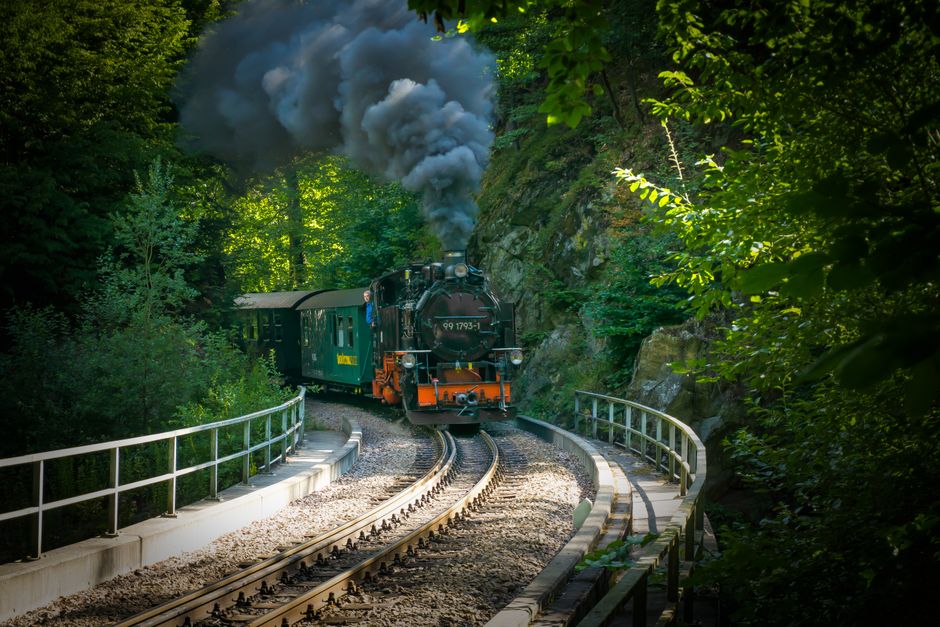
Can a family really handle six or eight hours on a European train without turning the carriage into a negotiation room? Yes, but the winning plan is less about keeping children quiet and more about giving the journey a clear rhythm: board early, carry food that does not crumble everywhere, schedule movement before restlessness peaks, and leave enough time between connections to absorb one slow toilet stop. A train gives families more room than a plane, but it also exposes weak planning because stations, platforms, and ticket rules differ from country to country.
The biggest cost mistake is buying the first convenient fare and checking the details later. A cheap-looking ticket may be tied to one departure, exclude seat selection, or come with a fee that is hard to recover. Children’s discounts also change by operator and age, so a family should compare the total cost for all passengers, not the adult headline fare.
The best setup for most families is one long daytime leg, no more than one connection, reserved seats together, and a five- to ten-minute buffer inside every activity. That sounds conservative. It is cheaper than replacing missed tickets, buying station food for four people, or paying for a last-minute hotel.
My clear verdict: train travel wins over flying for European journeys up to about eight hours when the route is direct or has one manageable change. For a night train, a very young child, or a route with three tight connections, the apparent saving may not survive the extra stress.
How should families book European train tickets?
Compare the final basket, not the first fare
Start with the national operator when the route is simple: Deutsche Bahn for much of Germany, SNCF Connect for France, Trenitalia for Italy, and Renfe for Spain. These sites often show the clearest fare rules. Aggregators such as Omio and Trainline can save time when a journey crosses borders, but convenience has a price. Omio’s fee explanation says a service fee and booking rate can both apply. Trainline says UK booking fees commonly range from £0.59 to £2.79, while cross-border fees can vary.
Use this fee and flexibility check
| Booking route | Typical extra cost | Best use | Main risk |
|---|---|---|---|
| National rail operator | Often no separate booking fee | Simple domestic journeys | Different sites for different countries |
| Trainline UK booking | £0.59-£2.79 for many UK bookings | Quick comparison and digital tickets | Cross-border fees can differ |
| Omio booking | Service fee or booking rate; sometimes both | Multi-country searches | Refund handling may involve the intermediary |
| Flexible fare | Usually costs more than a fixed departure | Families worried about delays | Not always worth the premium |
Check child ages, seat reservations, luggage rules, and refund terms before paying. Bottom line: book direct for a clear single-country trip; use an aggregator only when its wider search saves more than its visible and hidden fees.
What should you pack for a long train journey with children?
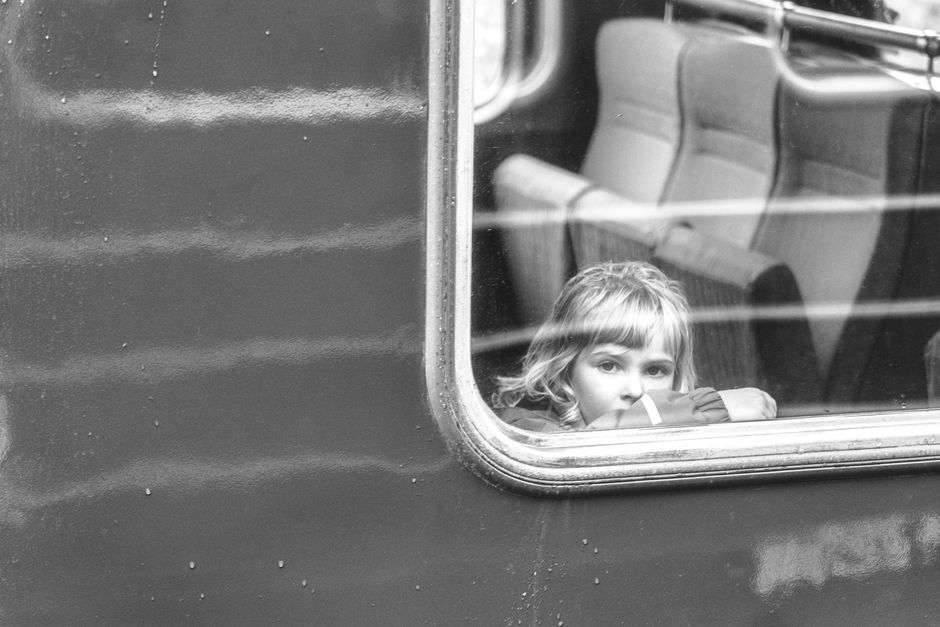
Build one reachable family kit
- Pack a small day bag with water, wet wipes, tissues, medication, spare underwear, one warm layer, and a sealable bag for rubbish or wet clothes. Keep it under the seat rather than in the luggage rack.
- Use food in stages. Bring a proper meal, two small snacks, and one emergency treat. The emergency item should not be the first thing children see.
- Carry charging gear in one pouch: a short USB-C cable, a compact power bank, and wired headphones as backup. Some trains have sockets, but a broken socket is not a plan.
- Bring one quiet activity per hour of travel: cards, a small notebook, stickers, an audiobook, or a downloaded film. A large toy bag creates clutter and makes every choice feel like a dispute.
Spend on the item that solves a real problem
It is useful for one adult managing a compact family load, but its wheels become a nuisance on stairs and cobbled station approaches. For a child who listens independently, the Yoto Mini 4th Gen costs about £89.99 and supports offline audio cards; it is more practical than handing over a phone with a fragile data connection. The Sony WH-1000XM5 costs roughly €350 and offers about 30 hours of battery with noise cancelling, but it is an adult-sized headset, not a toddler solution.
Two free tips matter more than expensive gear: download every ticket and activity before leaving home, and print a one-page emergency sheet with names, hotel addresses, and the next station. Do not buy a Eurail Pass automatically. Price the exact point-to-point tickets first. For a two-city trip with fixed dates, ordinary advance fares often cost less.
How do you structure an eight-hour train journey?
Use a repeating rhythm instead of constant entertainment
Children cope better when the next change is predictable. The goal is not eight hours of silence. It is eight hours broken into small, visible blocks with movement, food, rest, and low-effort activities. Tell children the plan before boarding, then keep the schedule loose enough to handle a delayed trolley or a crowded toilet.
| Journey time | What to do | Why it works |
|---|---|---|
| 0:00-0:20 | Settle bags, visit the toilet, explain the route | Removes urgent jobs before departure |
| 0:20-1:30 | Snack, window watching, simple game | Uses the fresh attention span |
| 1:30-2:00 | Walk to the vestibule or family area if safe | Burns off tension before boredom rises |
| 2:00-3:30 | Meal and quiet screen or audio time | Creates the longest calm block |
| 3:30-4:00 | Toilet, stretch, refill water | Prevents a late rush |
| 4:00-6:00 | Activity rotation, reading, or nap | Uses smaller tasks after fatigue starts |
| Final hour | Pack gradually and explain arrival steps | Avoids the platform scramble |
Reserve the right seats
Choose a table or face-to-face seating when the operator allows it. A table gives children somewhere to draw and gives adults a place to pass food without waking a sleeping passenger. Avoid seats beside the doors if a child is likely to wander, and avoid splitting adults across the carriage to save a few euros. The parent who cannot see both children pays for that saving in stress.
Leave a real connection buffer
For a family, a 12-minute connection is not a 12-minute connection. Toilets, lifts, platform changes, and a child who stops to examine every vending machine can consume the margin. I prefer 30 minutes in a familiar station and 45-60 minutes in a large interchange. That buffer is cheaper than a new ticket. This is not a luxury schedule; it is basic loss control.
What should you do when a child melts down?
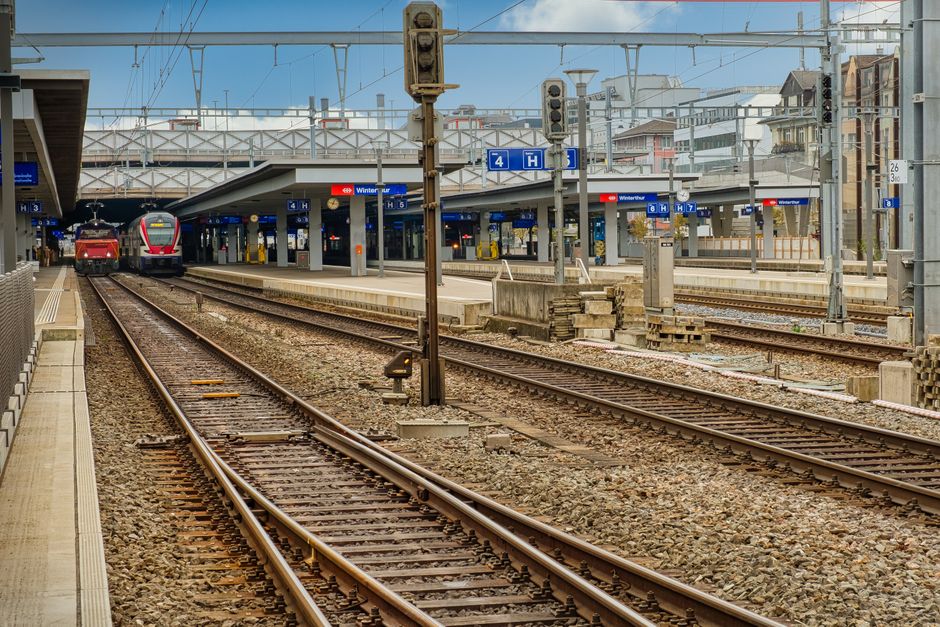
Fix the physical problem first
- Ask about water, food, heat, cold, pain, or the toilet before offering another screen.
- Move to the vestibule or another permitted area if the carriage is crowded and the child needs space.
- Lower your voice and reduce choices to two: sit with a book or take a short walk with an adult.
- Do not threaten to end the holiday. A tired child cannot process a long speech about consequences.
Plan for the mistakes adults make
The common failure is using all the entertainment in the first 90 minutes. The second is carrying snacks that melt, crumble, or need cutlery. The third is assuming every station has a lift, a family toilet, and an open shop. Pack as if the next stop has none of those things.
If a connection fails, take a screenshot of the delay, speak to the operator before leaving the platform, and ask which ticket rule applies to the next train. Do not buy a replacement ticket in panic unless staff confirm that the original is unusable. If you booked through a reseller, its support process may add another layer, which is one reason direct booking can be safer for a tight itinerary.
The firm recommendation is simple: protect the next 30 minutes, not the perfect mood. A child can recover from boredom. A family carrying no water, no spare clothes, and no connection plan has a much harder problem.
Can a family really handle six or eight hours on a European train without turning the carriage into a negotiation room? Yes, but the winning plan is less about keeping children quiet and more about giving the journey a clear rhythm: board early, carry food that does not crumble everywhere, schedule movement before restlessness peaks,…