
Melbourne Camping Gear Hire: Lessons From Dozens of Trips

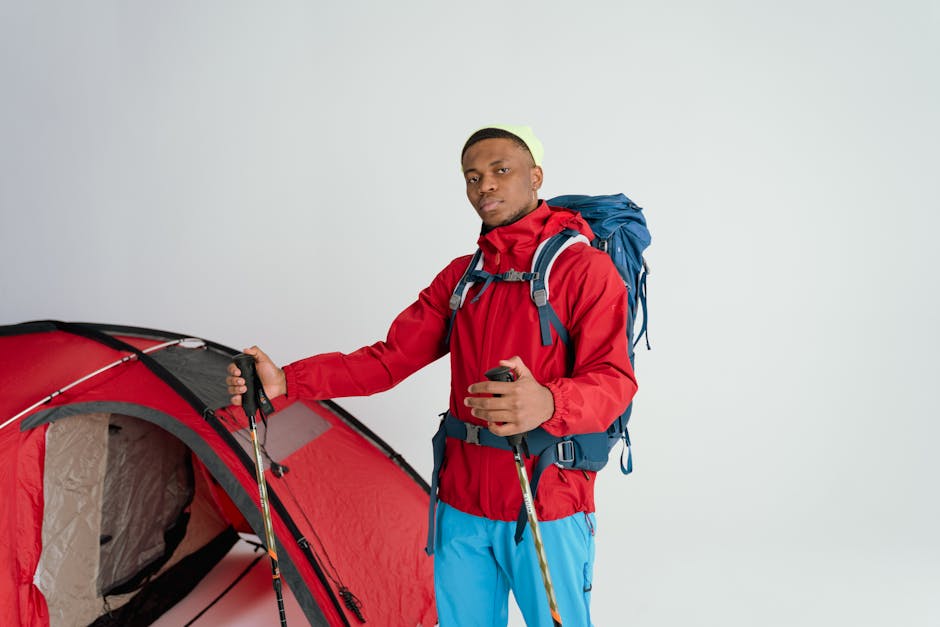
Picture this: It’s Friday afternoon. You’ve got a long weekend free, maybe a spot booked at Wilsons Promontory, or a trail planned in the Grampians. The car is packed with snacks, a cooler, and your sense of adventure. But then it hits you: no tent. Or maybe your sleeping bag is for summer, and it’s going to drop to five degrees overnight. Buying a full setup for a few trips a year feels like a big commitment, both in cost and storage space. That’s where camping gear hire in Melbourne steps in. For years, I avoided renting, convinced it was either too expensive or the gear would be subpar. I was wrong. Renting can often be the smartest, most economical choice, especially for those testing the waters or tackling specific conditions.
My own journey into gear rental started out of necessity for a snow camping trip – I needed a -10°C bag and a four-season tent I simply didn’t own. The experience was so smooth, it opened my eyes to the real value. This isn’t about cheaping out; it’s about smart resource management and getting access to the right tools for the job without the upfront investment. It’s also about reducing waste. Renting can be a surprisingly effective way to experience the outdoors without accumulating a garage full of rarely-used equipment.
Before You Buy: Why Melbourne Camping Gear Hire Makes Sense
Many people jump straight to buying their own camping gear, especially if they plan on going often. On the surface, it seems logical. You own it, you can use it whenever. But for a significant portion of outdoor enthusiasts, renting offers a compelling, often overlooked alternative. Think about the variety of camping experiences Melbourne and regional Victoria offer: a beach trip to the Mornington Peninsula requires different gear than a winter hike in the Alpine National Park. Owning every type of specialized gear is expensive and takes up a lot of space.
Renting allows you to match the gear precisely to your trip’s demands without draining your bank account. Need a lightweight hiking tent for a multi-day trek? Rent it. Planning a family car camping trip with a huge tent and full kitchen setup? Rent a bundle. This flexibility is the core appeal. It’s also a fantastic way to “try before you buy.” You can test out different tent styles, sleeping bag ratings, or cooking systems before committing hundreds or thousands of dollars to your own purchases.
Who is Gear Rental For?
Gear rental isn’t a one-size-fits-all solution, but it caters to several distinct groups. First, there are the absolute beginners. Someone who’s never camped before and wants to try it out without buying a full kit. This is a low-risk entry point. Second, the occasional adventurer – maybe two or three trips a year. The cost of owning, maintaining, and storing gear for infrequent use often outweighs the rental fee. Third, the specialized tripper. This includes people needing specific equipment for extreme conditions (like snow camping or remote multi-day hikes) that they wouldn’t use regularly. Finally, even seasoned campers sometimes rent when traveling, avoiding baggage fees by picking up gear locally in Melbourne.
Cost Comparison: Buying vs. Renting a Full Setup
Let’s crunch some numbers for a typical weekend car camping trip requiring a 3-person tent, two sleeping bags, two sleeping mats, and a basic cooking setup (stove, pot, gas). A decent entry-level tent like a Coleman Instant Up 3P might cost around $250. Two sleeping bags (e.g., Roman Palm III, comfort rated to 5°C) at $80 each: $160. Two basic self-inflating mats at $50 each: $100. A simple butane stove with gas canister: $40. A basic pot set: $30. Total purchase cost: approximately $580.
Now consider renting. A typical weekend (2-3 days) car camping bundle from a Melbourne hire company might cost between $100-$180. If you go camping twice a year, that’s $200-$360. You’d break even on buying the gear after about 2-3 years, not factoring in cleaning, maintenance, or storage. For specialized items, the savings are even more dramatic. A quality -10°C sleeping bag can cost $400-$800 to buy, but might rent for $40-$60 per weekend. The math often points to renting as a clear winner for occasional or specialized use.
Navigating Rental Providers: What to Prioritise
Don’t just pick the cheapest option. While price matters, the condition of the gear and the provider’s policies are far more important for a successful trip. A cheap tent with a leaky fly or a sleeping bag that smells like old socks will ruin your weekend, regardless of how much you saved. Prioritise providers known for well-maintained, clean equipment and transparent rental agreements. A good rental experience isn’t just about the gear itself, but the peace of mind that comes with it.
My personal rule of thumb is to look for companies that clearly state their cleaning and maintenance protocols. If they can’t tell you how they ensure the gear is fresh and fully functional, that’s a red flag. The best providers will also have staff who understand camping and can offer advice on gear suitability for your specific trip, rather than just handing over a package. This expertise can be invaluable, especially for less experienced campers.
Key Questions to Ask About Gear Condition
- How often is the gear inspected? A reputable provider should have a regular inspection schedule. Tents should be pitched and checked for holes, broken poles, or faulty zippers. Sleeping bags should be laundered and loft checked.
- What’s the age of the equipment? While not always a deal-breaker, newer gear generally performs better and has fewer wear-and-tear issues. Don’t expect brand new, but gear that’s clearly ancient and heavily used is a warning sign.
- What are the cleaning procedures? This is especially critical for sleeping bags and cooking equipment. Are sleeping bags professionally laundered after each use? Are cooking items thoroughly cleaned and sanitised? Don’t be afraid to ask for specifics here.
- Are repairs handled in-house? Companies that perform their own repairs often have a better understanding of their gear’s condition and can ensure a higher standard of maintenance.
Insurance and Liability Considerations
Accidents happen. A rogue ember from the campfire burns a hole in the tent fly, or a buckle snaps on a backpack. Understanding the rental company’s policy on damage and loss before you sign is crucial. Most companies will have a waiver or require a security deposit. Standard practice usually involves holding a bond (often $100-$500) that is refunded upon safe return of the gear. If damage occurs, they’ll deduct the repair or replacement cost from this bond.
Some providers offer optional insurance waivers for a small fee (e.g., $10-$20 per rental). This can be worth it for expensive items or if you’re particularly clumsy. Always read the fine print. Know what constitutes “normal wear and tear” versus “negligence.” For example, a minor scuff on a backpack is usually fine, but a ripped tent door from forcing a jammed zipper might incur a charge. Clarity upfront saves headaches later.
Assembling Your Kit: Common Rental Bundles and What They Include
Most Melbourne camping gear hire services offer pre-selected bundles, which simplify the process considerably. These packages are typically designed around common trip types, saving you from picking individual items. However, understanding what’s *actually* in them is key to ensuring you don’t arrive at your campsite missing something vital, or conversely, paying for gear you don’t need. My advice: always double-check the item list against your trip plan.
The core philosophy behind these bundles is convenience. Instead of navigating dozens of individual product listings, you choose a package that broadly fits your adventure. These can range from minimalist setups for solo hikers to comprehensive kits for large families or groups. The key is knowing what to expect at each level and how to augment it if necessary. It’s also worth noting that many rental companies are flexible; you can often swap out an item or add a specific piece of gear to a standard bundle for an extra fee.
The "Basic Overnight" Package Breakdown
This is usually the entry-level offering, perfect for a single person or a couple embarking on a simple, short camping trip – think an overnight stay at a state park or a festival. A typical “Basic Overnight” bundle often includes:
- Tent: A lightweight 2-3 person dome tent (e.g., Oztrail or Coleman brand equivalent). Expect something relatively easy to pitch, suitable for mild weather conditions.
- Sleeping Bags: One or two compact sleeping bags, generally comfort-rated for around 5-10°C. These are fine for spring, summer, and early autumn in Victoria’s milder regions.
- Sleeping Mats: Basic foam or entry-level self-inflating mats for insulation and comfort. Think Klymit Static V or similar.
- Cooking: A small single-burner gas stove (like a Gasmate or Companion) with one gas canister, and perhaps a basic pot/pan combination. Utensils and plates are usually NOT included.
- Lighting: A simple LED lantern or headlamp.
The cost for such a package for a weekend typically falls between $70-$120. It covers the bare essentials, but you’ll need to bring your own cooking/eating implements, a cooler, and personal items.
Upgrading to a "Comfort Camper" Kit
For those looking for a bit more luxury, or planning a longer trip with more people, the “Comfort Camper” or “Family Adventure” bundle is the next step up. These are designed for car camping where weight isn’t a primary concern. Such a kit might include:
- Tent: A larger 4-6 person canvas or instant-up tent (e.g., from Black Wolf or a larger Oztrail model). These offer more headroom and living space, often with multiple rooms or awnings.
- Sleeping Bags & Mats: More robust, warmer sleeping bags (comfort rated 0-5°C), and thicker, more comfortable self-inflating or air mattresses (like a Darche or Exped equivalent).
- Cooking: A two-burner stove with a larger gas bottle, a more comprehensive pot set, and sometimes a camp table or even a small cooler/esky.
- Chairs & Table: Often includes two folding camp chairs and a compact folding table.
- Additional Lighting: Multiple lanterns, perhaps even solar-powered options.
These more comprehensive kits can range from $150-$300 for a weekend, depending on the number of people and specific inclusions. They’re ideal for making a campsite feel like a temporary home, offering a significant upgrade in comfort and convenience.
Avoiding Costly Blunders: Rental Mistakes to Steer Clear Of
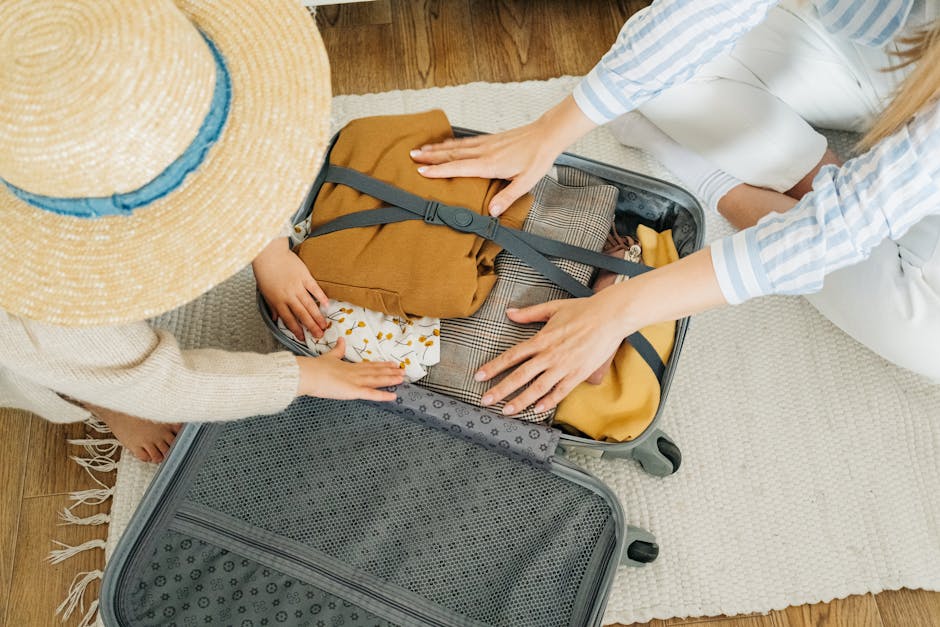
While renting gear offers many advantages, it’s not without its pitfalls. A little foresight can prevent a lot of frustration and unexpected costs. I’ve seen people make these mistakes, and sometimes, I’ve even made a few myself. Learn from them.
- Ignoring the Weight and Pack Size for Hiking: This is a classic. A car camping tent might be advertised as “3-person,” but if it weighs 5kg and packs down to the size of a small fridge, it’s useless for a multi-day hike. Always check the specific packed dimensions and weight if you’re carrying the gear. Ask for “hiking specific” or “ultralight” options.
- Not Testing Gear Before Leaving: You picked up your tent, stove, and sleeping bags. You get to camp, it’s getting dark, and you realize you have no idea how to pitch this specific tent, or the stove won’t ignite. Pitch the tent in your backyard once. Fire up the stove. Make sure all poles, pegs, and components are there. This takes 15 minutes and saves hours of frustration.
- Underestimating Weather Conditions: Melbourne weather is famously fickle. A sleeping bag rated for 5°C might be fine for a summer night in the lowlands, but absolutely inadequate for a chilly autumn evening in the high country where it could drop below freezing. Always check the forecasted night temperatures for your specific destination and rent gear with appropriate ratings. For sleeping bags, look at the “comfort rating,” not just the “extreme rating.”
- Returning Dirty or Damaged Gear Without Reporting: Most rental agreements will outline cleaning expectations. Returning muddy boots or a stove covered in food residue will incur cleaning fees, often $20-$50. If you accidentally damage something, report it immediately. Hiding damage can lead to a loss of your full security deposit, whereas honest disclosure often results in a more understanding resolution.
- Forgetting Essential Small Items: Rental bundles cover the big stuff, but often overlook the small, critical items. Think: a small first-aid kit, biodegradable soap, a knife, spare batteries, a headlamp, toilet paper, rubbish bags, and cooking utensils. Always bring your personal essentials; the rental is for the core equipment.
Where to Rent in Melbourne: A Look at Specific Options
Melbourne has a few key players in the camping gear rental space, catering to different needs and budgets. It’s not always about finding the absolute cheapest, but the best value for your specific trip requirements, considering gear quality and customer service. Here’s a brief overview of what you might expect from illustrative Melbourne-based rental services, with typical offerings and price ranges for a weekend (2-3 days) car camping bundle for two people:
| Provider Name | Key Focus/Specialty | Typical Gear Quality | 2-Person Car Camping Bundle (Est. Price) | Example Inclusions |
|---|---|---|---|---|
| Eastern Mountain Centre (Rental Division) | Hiking, mountaineering, snow camping, specialized gear | High-end, well-maintained brands (e.g., Mont, Sea to Summit, Deuter) | $120 – $180 | Lightweight hiking tent (e.g., Mont Moondance 2), -5°C sleeping bags, insulated mats, compact stove & pot. |
| City-to-Summit Rentals | General camping, family trips, car camping, beginner-friendly | Mid-range, durable brands (e.g., Coleman, Oztrail, Roman) | $90 – $140 | Larger dome tent (e.g., Oztrail Tasman 3), 0-5°C sleeping bags, self-inflating mats, two-burner stove, small table. |
| Weekend Warrior Gear Hire | Budget-friendly, festival camping, basic setups | Entry-level, functional brands (e.g., Wanderer, Spinifex) | $70 – $110 | Basic dome tent (e.g., Spinifex), 10°C sleeping bags, foam mats, single-burner stove. |
Eastern Mountain Centre (Rental Division): Strengths and Pricing
This type of provider typically caters to serious adventurers. Their strength lies in high-quality, specialized gear suitable for challenging conditions. You’ll find premium lightweight hiking tents, down sleeping bags with low-temperature ratings, and technical backpacks. A good example is renting a Mont Moondance 2 tent, two -5°C Mont or Sea to Summit sleeping bags, and two Exped SynMat 7 sleeping mats. This kind of premium setup for a weekend might cost around $150. While pricier than some alternatives, the performance and reliability for demanding trips are worth it.
City-to-Summit Rentals: Strengths and Pricing
Providers like City-to-Summit focus on the broader market: families, groups, and casual car campers. They offer robust, easy-to-use gear that prioritizes comfort and space over ultralight performance. Expect brands like Coleman, Oztrail, and Roman. A typical family car camping package might include a large 4-person instant-up tent, four 5°C comfort sleeping bags, basic self-inflating mats, a two-burner stove, and a small table. For a weekend, this could be in the $180-$250 range for a family of four. Their strength is providing a comprehensive, hassle-free solution for general camping.
The Unsung Hero of a Good Trip: Pre-Trip Gear Checks
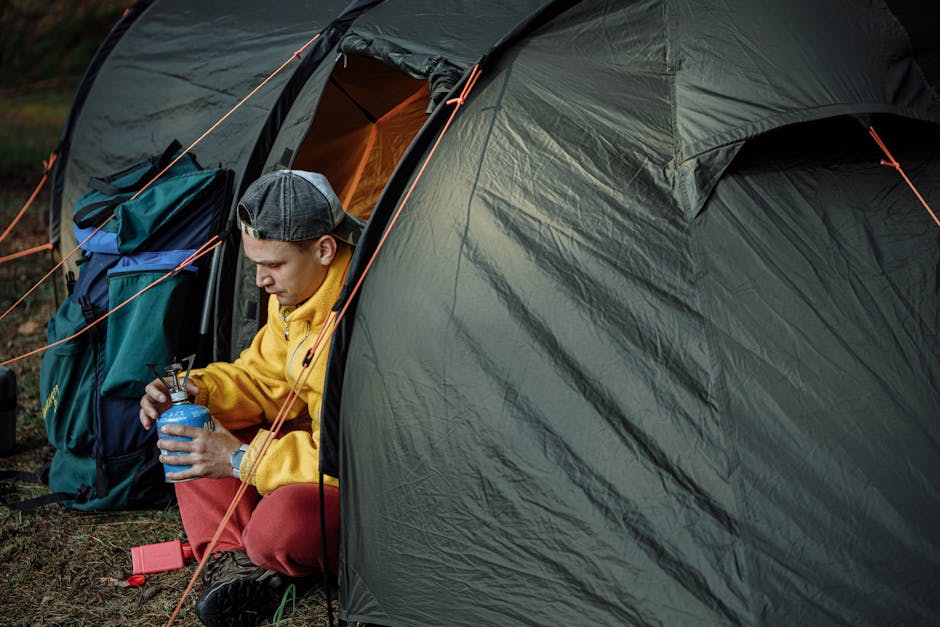
Before you even leave Melbourne, before you drive out to the stunning wilderness Victoria offers, there’s one critical step too many people skip. It’s not glamorous, it won’t be on your Instagram, but it makes all the difference between a smooth trip and a frustrating one. This is the thorough inspection of your rented gear immediately after pickup.
A few minutes spent checking everything at the rental shop, or as soon as you get home, is the single most important action you can take. Don’t wait until you’re at the campsite in the dark. Verify every component, ensure everything is clean, and confirm it’s exactly what you ordered. This simple habit will save you from discovering a missing pole or a faulty zipper when there’s no way to fix it.
Pre-Trip Checks
- Tents: Lay out the tent body and fly. Count all poles and pegs. Ensure zippers run smoothly. Look for any rips or holes, especially in the floor and mesh.
- Sleeping Bags: Inspect for cleanliness and smell. Check zippers. Ensure it’s the correct temperature rating for your destination.
- Stoves: Confirm all parts are present. If possible, do a quick test light in a safe, well-ventilated area to ensure it ignites.
- Packs: Check all buckles, straps, and zippers for functionality.
Return Procedures
Understand the return procedures fully. Most companies require gear to be returned clean and dry. Dirt and moisture can lead to cleaning fees or even mold damage, which will be charged to you. Pack everything back neatly. Respect the equipment, and the next adventurer will thank you.
Renting camping gear in Melbourne provides flexibility and access to quality equipment for a fraction of the cost, making it the smartest choice for occasional or specialized adventures.
Picture this: It’s Friday afternoon. You’ve got a long weekend free, maybe a spot booked at Wilsons Promontory, or a trail planned in the Grampians. The car is packed with snacks, a cooler, and your sense of adventure. But then it hits you: no tent. Or maybe your sleeping bag is for summer, and it’s…