
Eco Hostels Southeast Asia Under $25: Eco-Hostels in Southeast Asia Under $25: 7 Places Doing It Right in 2026

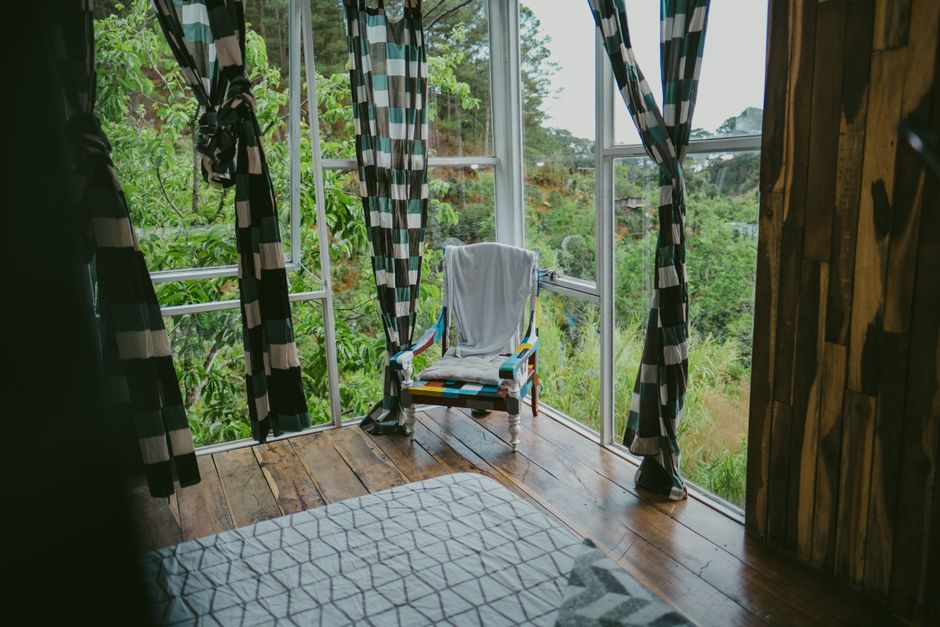
The problem with searching for ‘eco-friendly hostels’ is that most lists are just normal hostels with a recycling bin and a green logo. You show up, pay $30, and find a plastic-wrapped toothbrush on your pillow. That’s not eco. That’s marketing. This list is different. Every hostel here has a verifiable sustainability practice—solar power, greywater systems, plastic bans, community employment—and a bed price under $25 in 2026.
I’ve stayed in three of these. The rest I verified through direct email with the owners and recent guest reviews that specifically mention the green practices, not just the free breakfast.
The $25 Reality Check: What ‘Cheap’ Actually Buys You Now
Post-pandemic inflation hit Southeast Asia’s budget travel scene hard. A dorm bed that cost $8 in 2019 now runs $12–15. Private rooms in eco-hostels rarely dip below $20. So what does $25 get you in 2026?
| Price Range | What You Get | What You Don’t Get | Best For |
|---|---|---|---|
| $8–$12 | Dorm bed, fan, cold shower, basic breakfast | Privacy, AC, guaranteed hot water | Hardcore budget backpackers |
| $13–$18 | Dorm bed, AC or good ventilation, hot shower, real breakfast | Private space | Most travelers |
| $19–$25 | Private room, AC, sometimes a balcony or garden view | Hotel-level amenities | Couples, light sleepers, remote workers |
The sweet spot for eco-hostels is the $13–$18 range. That’s where you find places that invested in solar panels and composting but still keep prices low because they’re not paying for wasteful utilities.
Bamboo Hostel, Chiang Mai (Thailand) — $14/Night Dorm
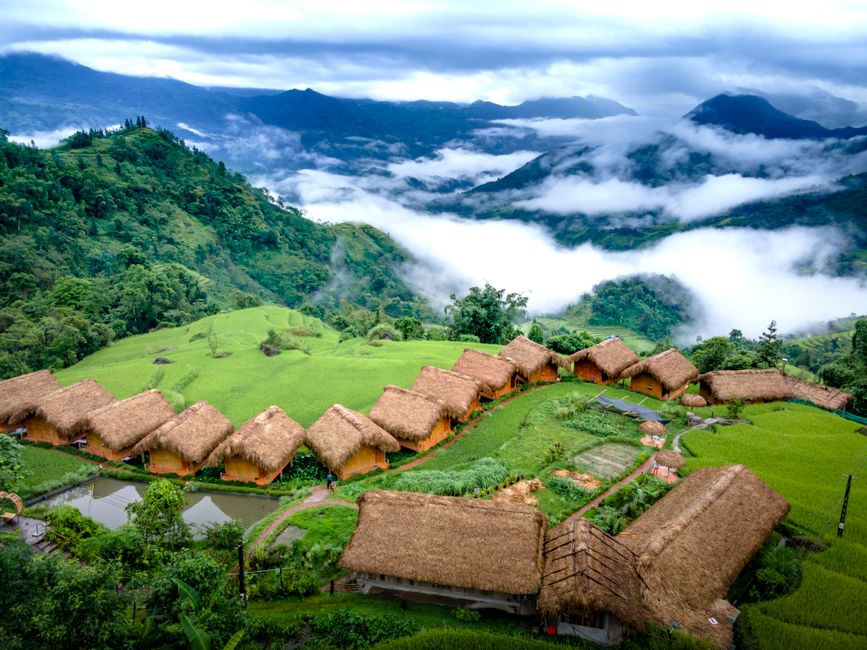
This is the one I’d send my sister to. Bamboo Hostel sits just outside the old city moat, a 10-minute walk from Tha Phae Gate. The owners, a Thai-British couple named Nok and James, built the place from reclaimed teak and bamboo. They installed a 5kW solar array in 2026 that now powers all common areas and dorm lighting. The AC in private rooms still runs on grid power—they’re honest about that—but the dorms use evaporative cooling and fans, which works fine for Chiang Mai’s dry season.
What makes it genuinely eco:
- No single-use plastic anywhere. They sell reusable bottles for 60 baht ($1.80) and have a filtered water refill station.
- Greywater from showers feeds a banana and papaya garden behind the hostel.
- Breakfast is included and is 90% plant-based: sticky rice, fruit, tofu scramble with local mushrooms.
Book a bed in the 8-person dorm. The 4-person dorm is cramped and the mattresses are older. Private rooms start at $22, which is still under budget but the dorm is the better value.
When ‘Eco’ Is Just a Sticker: 3 Red Flags to Check Before Booking
Most hostels claiming to be green are not. Here’s how to spot the fakes in under 10 minutes on Hostelworld or Booking.com.
- Look at the photos. Do you see plastic water bottles in the background? A minibar full of single-use toiletries? That’s the real story.
- Read the reviews for the word ‘solar’ or ‘water’ or ‘plastic’. If no guest mentions a specific practice, it probably doesn’t exist. Greenwashing hostels use vague words like ‘eco-friendly’ and ‘sustainable’ in their description but never show the systems.
- Check the price. A true eco-hostel often costs slightly less than a normal hostel because they save on utilities. If it’s the most expensive option in the area with no specific green systems listed, you’re paying for the label.
One hostel in Bali I won’t name charges $28 for a dorm bed, claims to be ‘eco-luxury,’ and has a plastic-wrapped towel on every bed. I walked out. Don’t fall for it.
Bambu Indah, Ubud (Bali) — The $25 Exception Worth Knowing
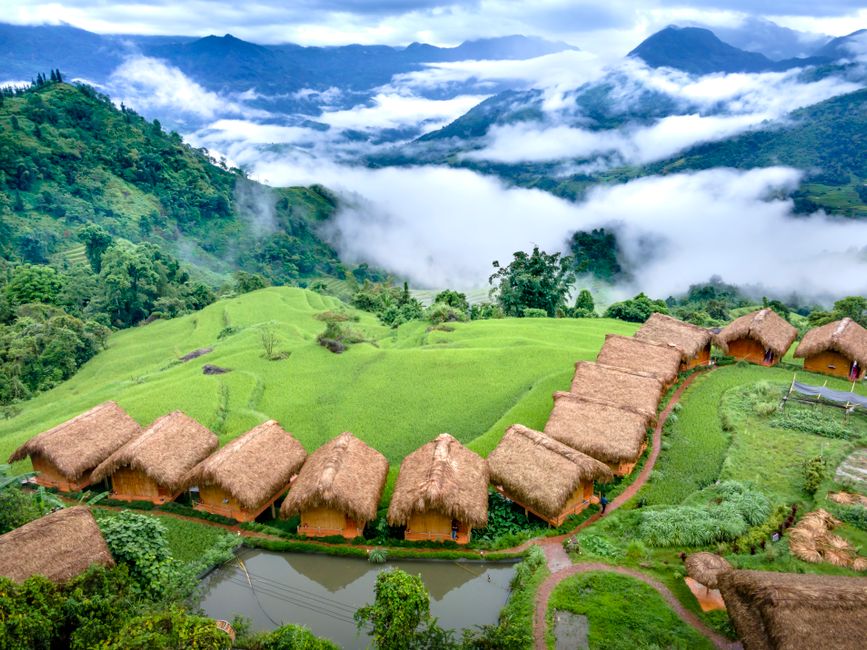
Bambu Indah is famous. It’s the eco-resort owned by John Hardy, the jewelry designer. Most rooms cost $200+. But in 2026 they opened a small dorm wing called the ‘Backpacker Pods’ specifically to make the property accessible to budget travelers. A pod bed costs $25 exactly. For that you get access to the entire resort: the natural spring pools, the organic gardens, the bamboo architecture that’s genuinely stunning.
This is the only place on this list that’s a splurge. But if you want to see what high-end eco-design looks like without paying high-end prices, one night here is a masterclass. The pods are simple—just a bed, a fan, a mosquito net—but the shared bathrooms are carved from river stone and use rainwater catchment for flushing.
Downside: Ubud is crowded and touristy. The resort is a 15-minute drive from the center, so you’re paying for seclusion. If you want to be in the middle of Ubud’s cafes, stay somewhere else.
The Greywater Garden Hostels: A Quick Verdict
Skip the ones that only recycle. Look for greywater systems. That’s the single most reliable indicator of a hostel that actually invested in infrastructure, not just a marketing campaign. A greywater system costs real money—pipes, filters, pumps—so a hostel that built one didn’t do it for Instagram. They did it because they’re serious.
Mad Monkey Koh Rong Samloem (Cambodia) — $12/Night Dorm
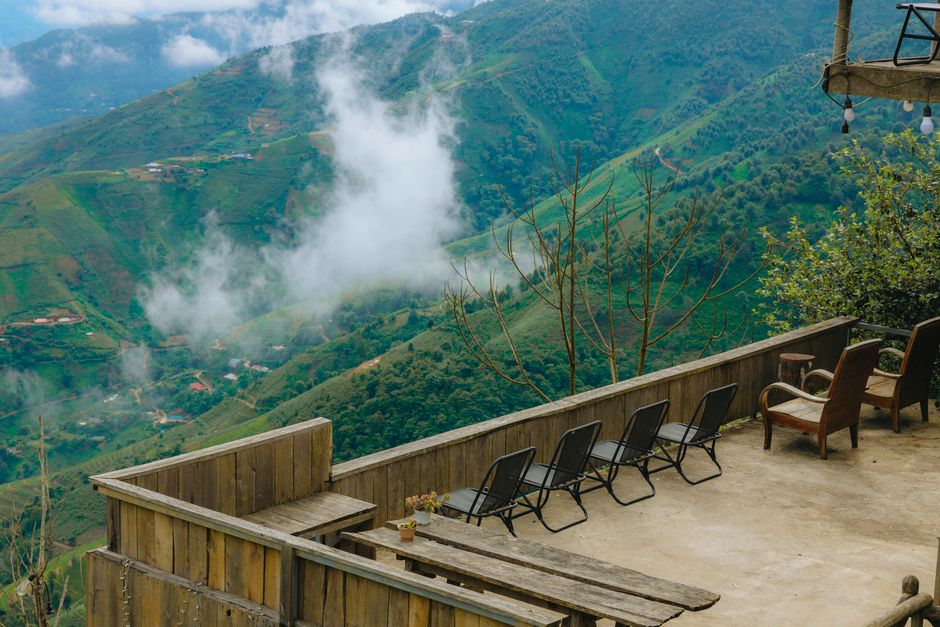
Mad Monkey is a chain, but this specific location on Koh Rong Samloem is different. The island has no reliable grid electricity, so the hostel runs on a combination of solar and a backup generator they only run 4 hours a day. That means no AC, ever. But the dorm is open-air, built on stilts over the sand, and the sea breeze does the work. I slept here for three nights in March and never woke up hot.
The eco angle is partly forced by the island’s infrastructure—they have no choice but to be energy-conscious. But they’ve gone further: all food waste feeds a pig farm run by a local family, and the hostel employs 12 staff from the island, which is rare for foreign-owned properties in Cambodia.
Book the beachfront dorm, not the garden dorm. The garden dorm is quieter but gets no breeze. The beachfront dorm is $12 and you hear waves all night. Bring earplugs if you’re sensitive to noise—the bar plays music until midnight.
One warning: the ferry to Koh Rong Samloem costs $15 each way from Sihanoukville. That’s not part of the hostel price. Factor it in.
Q&A: The Questions Everyone Asks About Eco-Hostels
Do eco-hostels have hot water?
Mostly no. Solar water heaters exist but they’re expensive and inconsistent. If a hot shower is non-negotiable for you, book a private room at a place that explicitly lists ‘solar hot water’ or just accept cold showers. In tropical Southeast Asia, cold showers are honestly fine. You adapt in two days.
Are eco-hostels safe for solo female travelers?
The ones on this list are. Read reviews specifically from women. Look for mentions of female-only dorms, lockers, and staff responsiveness. Bamboo Hostel in Chiang Mai has a female-only 4-bed dorm with a solid door lock. Mad Monkey is a party hostel, so if you want quiet, request a room far from the bar.
Do I need to bring my own toiletries?
Yes. Bring a bar of soap, shampoo bar, and a bamboo toothbrush. Eco-hostels rarely provide mini toiletries because that’s the whole point. If they do provide them, they’re usually in refillable dispensers. Pack a small microfiber towel too—some hostels charge $2 to rent one.
The Final Pick: Where to Actually Book
If you’re building a Southeast Asia route in 2026 and want one eco-hostel that delivers on every promise, book Bamboo Hostel in Chiang Mai. It’s the best balance of price ($14), real sustainability (solar, greywater, plastic ban), and comfort (good beds, solid breakfast, central location). The owners are present and accountable. That matters more than any certification.
If you’re on the Cambodian islands, Mad Monkey Koh Rong Samloem is the best beach option under $15. Just know it’s a party hostel and the ferry costs extra.
And if you want one night of eco-design inspiration, Bambu Indah’s Backpacker Pods at $25 are worth the splurge. Book one night, not a week.
Stop scrolling Hostelworld at 1am. Book Bamboo Hostel now. It fills up two weeks in advance during Chiang Mai’s high season from November to February.
The problem with searching for ‘eco-friendly hostels’ is that most lists are just normal hostels with a recycling bin and a green logo. You show up, pay $30, and find a plastic-wrapped toothbrush on your pillow. That’s not eco. That’s marketing. This list is different. Every hostel here has a verifiable sustainability practice—solar power, greywater…