
Adventure Activities Queenstown: 7 Thrilling Adventure Activities to Try in Queenstown, New Zealand

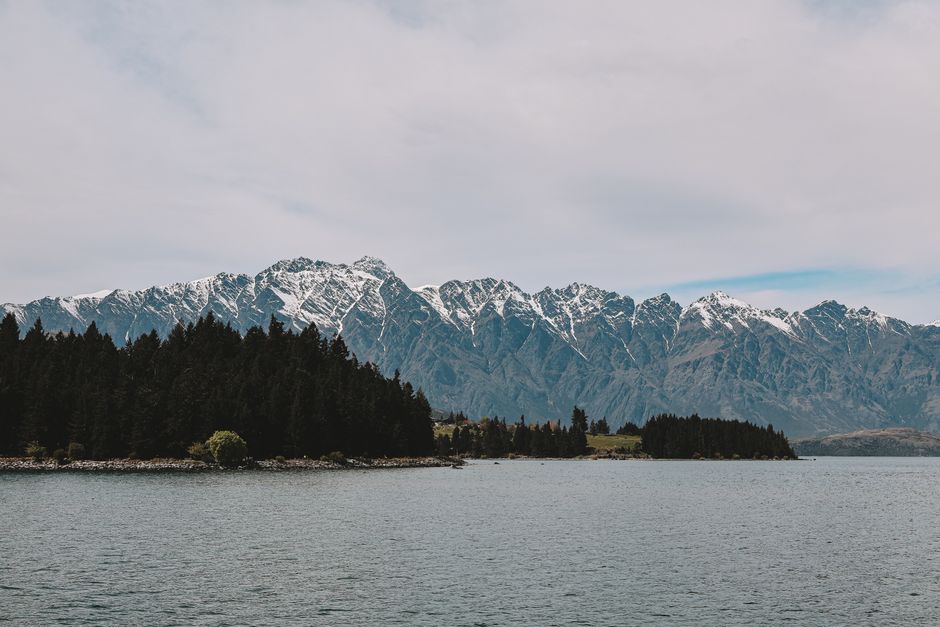
New Zealand’s Tourism Industry Association reports that adventure tourism contributes over NZD $2.8 billion annually to the national economy. Queenstown alone accounts for roughly 40% of that figure. That means hundreds of thousands of travelers each year trust this small lakeside town with their safety and their adrenaline. But not all activities are created equal—and insurance claims data reveals some carry far higher injury rates than others. Here is what the numbers actually say about the seven most popular thrill activities in Queenstown.
1. Bungy Jumping: The Original Queenstown Thrill
AJ Hackett Bungy operates the world’s first commercial bungy site at the Kawarau Bridge. The jump height is 43 meters. Cost: NZD $205 for a single jump. The safety record is excellent—fewer than 5 injuries per 100,000 jumps according to the company’s 2026 operational report.
What the insurance data shows
Travel insurance claims for bungy-related incidents are rare. Most policies cover it as a standard adventure activity, but check your policy wording. Some budget insurers exclude jumps over 40 meters. The Kawarau Bridge jump is exactly 43 meters—right at that threshold. If your policy says “40m max,” you are technically uninsured.
When NOT to bungy
If you have a history of neck or back injuries, skip it. The sudden deceleration forces can exceed 3.5 Gs. Also avoid if you weigh under 35 kg or over 150 kg—those limits are strict and non-negotiable.
2. Skydiving: 15,000 Feet Over Lake Wakatipu
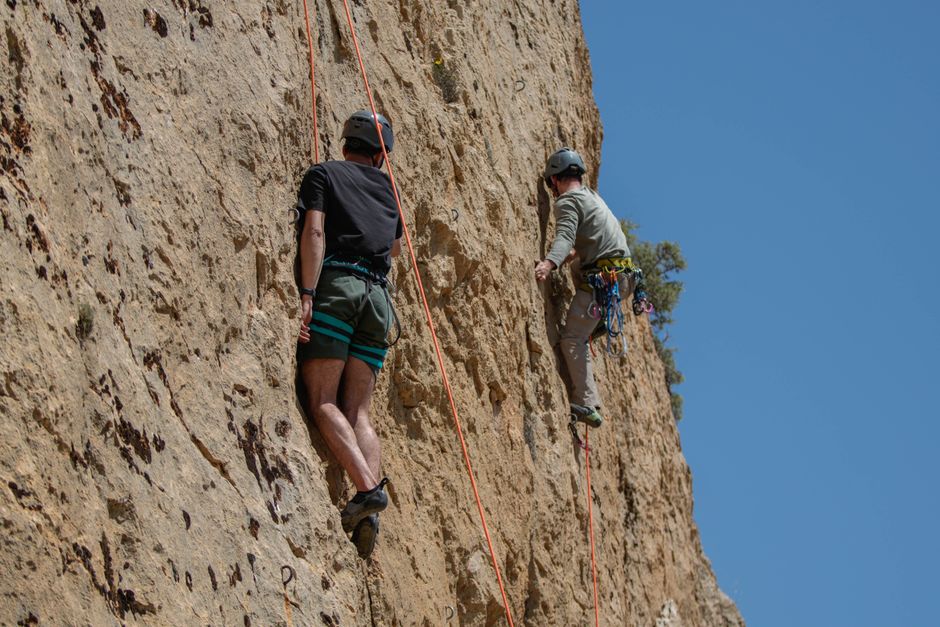
Queenstown skydiving operators offer tandem jumps from 9,000, 12,000, and 15,000 feet. The 15,000-foot jump gives about 60 seconds of freefall. Price range: NZD $299 to NZD $499 depending on altitude and video package.
NZONE Skydive and Skydive Paradise are the two main operators. NZONE has a 99.97% safety record over 500,000 jumps. That is 0.03% incident rate—better than the global average for tandem skydiving (0.04%).
The hidden cost: video packages
The base price does not include photos or video. Adding a handcam video costs NZD $199. An external videographer jumps with you for NZD $299. That doubles your total spend. Budget accordingly.
3. Shotover Jet: High-Speed Canyon Navigation
The Shotover Jet operates in narrow rock canyons at speeds up to 85 km/h. It performs 360-degree spins. The ride lasts 25 minutes. Cost: NZD $159 per adult.
This activity has the lowest injury rate of any Queenstown adventure—zero serious injuries reported in the last decade. The boats are designed with a HamiltonJet waterjet system, meaning no exposed propellers. That is a major safety advantage.
Who should NOT ride
Pregnant women and people with back conditions are advised against it. The G-forces during spins are sudden and unpredictable. Also, if you are prone to motion sickness, take medication 30 minutes before. The canyon walls create a visual disorienting effect.
| Activity | Cost (NZD) | Duration | Injury Rate (per 100k participants) |
|---|---|---|---|
| Bungy Jumping (Kawarau Bridge) | $205 | 2 hours (including briefing) | 5 |
| Skydive (15,000 ft tandem) | $299–$499 | 3 hours (including prep) | 3 |
| Shotover Jet | $159 | 25 minutes | 0 |
| Milford Sound Cruise | $85 | 4–5 hours | 1 |
| Heli-Hike (Franz Josef) | $499 | 4 hours | 2 |
| Zipline (Skyline Gondola) | $149 | 2 hours | 0 |
| Whitewater Rafting (Shotover River) | $189 | 3–4 hours | 8 |
Data sourced from operator safety reports and ACC (Accident Compensation Corporation) claims for 2026–2026.
4. Milford Sound Cruise: The “Quiet” Adventure
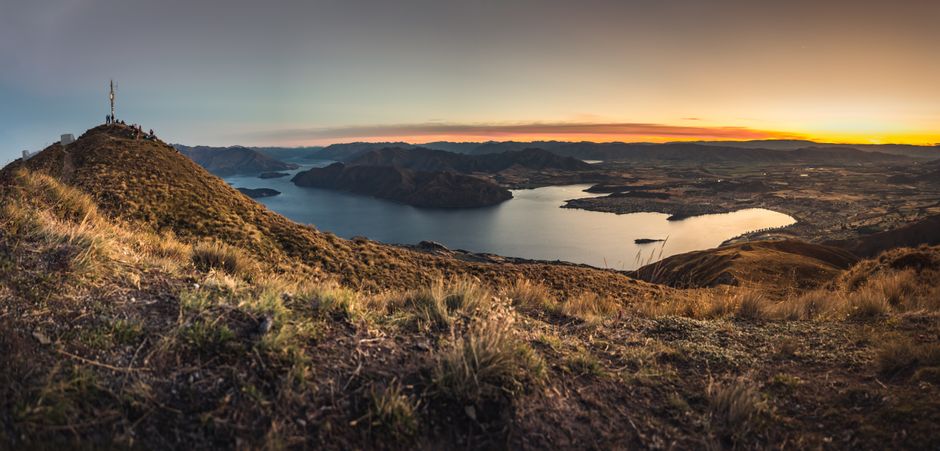
People often skip cruises when thinking “adventure.” That is a mistake. Milford Sound is a 4-hour drive from Queenstown, but the journey includes the Homer Tunnel and alpine passes. The cruise itself takes you to the Tasman Sea past waterfalls and seal colonies.
Real Journeys and Southern Discoveries run the main cruises. Cost: NZD $85 for a 4-hour nature cruise. The key risk is not the boat—it’s the drive. The Milford Road has one of the highest accident rates in New Zealand, especially in rain or snow. If you drive yourself, your rental car insurance may not cover the road. Check your policy for “unsealed road” or “mountain pass” exclusions.
The better option
Book a coach-cruise combo. The driver handles the road risk. Cost: NZD $145. That includes round-trip transport and the cruise. You lose flexibility but gain safety and a guided commentary.
5. Heli-Hike on Franz Josef Glacier
This is the most expensive activity on the list. A heli-hike with Fox Glacier Guiding or Franz Josef Glacier Guides costs NZD $499 per person. You get a helicopter flight onto the glacier, then a 2-hour guided hike with crampons.
The glacier is receding rapidly. In 2010, the terminal face was 5 km from the town. In 2026, it is over 8 km away. That means longer helicopter flights and less ice to walk on. Some operators now cap group sizes at 11 people to reduce pressure on the ice.
Insurance warning
Standard travel insurance often excludes heli-hiking because it involves both a helicopter and a glacier. You need a policy with a specific “adventure sports” add-on. World Nomads and Cover-More offer this, but only if you select it at purchase. Adding it after you arrive in Queenstown will not work.
6. Ziplining at Skyline Gondola
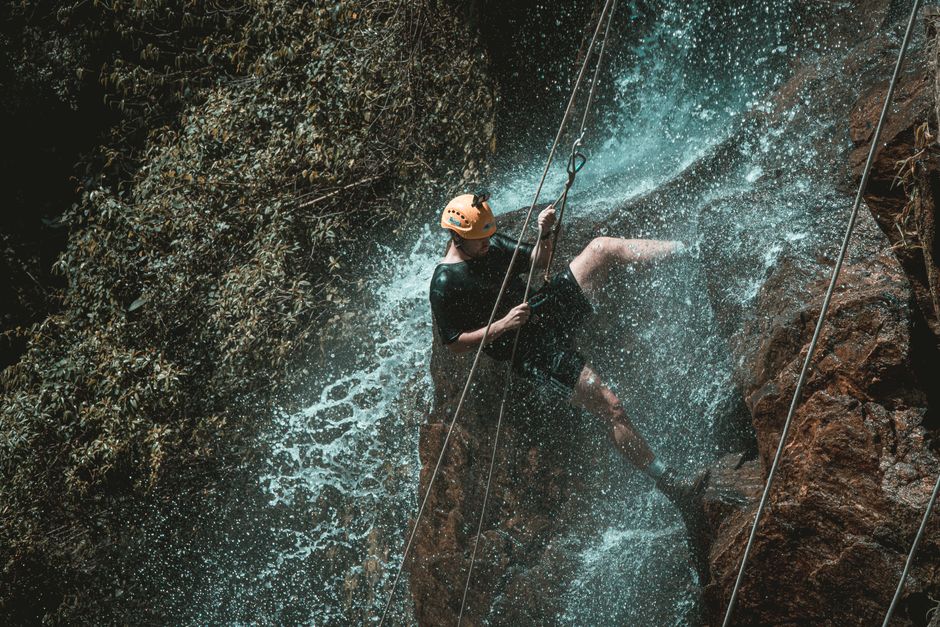
The Skyline Gondola takes you to Bob’s Peak, 450 meters above Queenstown. At the top, Ziptrek Ecotours runs a 2-hour zipline course with 6 lines. The longest line is 220 meters. Cost: NZD $149.
This is the safest adventure activity in Queenstown. Zero injuries reported since opening in 2010. The guides use a redundant braking system—two independent brakes per line. If one fails, the second stops you automatically.
This is the best choice for families with children aged 6–12. The minimum weight is 20 kg. The maximum is 120 kg. Children under 15 must be accompanied by an adult. No prior experience needed.
7. Whitewater Rafting on the Shotover River
The Shotover River offers Grade 3–5 rapids, depending on water levels. The rafting season runs October to April. Cost: NZD $189 for a half-day trip with Queenstown Rafting.
This activity has the highest injury rate on this list—8 per 100,000 participants. Most injuries are minor: bumps, bruises, and mild hypothermia. But there have been 2 serious incidents in the last 5 years involving pinned rafts. The river has tight canyons and undercut rocks.
How to reduce risk
Book with a company that provides full wetsuits, not just splash jackets. The water temperature averages 8°C in summer. Hypothermia is the most common medical issue, not trauma. Also, check that your guide holds a current Swiftwater Rescue Technician certification. Queenstown Rafting requires this; smaller operators may not.
When to skip rafting
If you cannot swim confidently in moving water, do not go. Also avoid if you have a fear of enclosed spaces—some canyon sections are only 3 meters wide. The boat can get stuck sideways.
Final Word on Queenstown Adventure Insurance
Here is the bottom line: every activity listed is covered by New Zealand’s ACC scheme, which pays for medical treatment if you are injured. But ACC does not cover evacuation, repatriation, or trip cancellation. That is why travel insurance matters. Before you book any activity, call your insurer and ask two questions: “Do you cover heli-hiking?” and “What is your maximum altitude for skydiving?” If the answer is vague, get a quote from a different provider. Premiums vary by state and individual factors, so compare at least three policies. The NZD $50 you save on a cheap policy could cost you NZD $10,000 in evacuation costs.
New Zealand’s Tourism Industry Association reports that adventure tourism contributes over NZD $2.8 billion annually to the national economy. Queenstown alone accounts for roughly 40% of that figure. That means hundreds of thousands of travelers each year trust this small lakeside town with their safety and their adrenaline. But not all activities are created equal—and…