
7 May Half-Term Packing Rules for One Bag That Closes

May half-term trips often need warm layers, rain protection and enough entertainment for long journeys. The solution is not a giant suitcase. It is one correctly sized bag, packed in a fixed order, with room left for the clothes your child will actually wear.
How much can one 20-litre kids bag hold?
A 20-litre bag can hold a surprisingly useful May half-term kit when soft clothing goes in first and rigid objects stay out. It cannot hold every favourite toy, a full-size wash bag, several pairs of shoes and five complete weather options. The capacity works when each item has a job.
| Item group | Quantity for five nights | Approximate space | Packing rule |
|---|---|---|---|
| Underwear and socks | 5 pairs of each | 2 litres | Roll together in one small cube or pouch |
| Tops | 3 | 2 litres | Choose quick-drying, thin fabrics |
| Bottoms | 2 | 2.5 litres | Wear the heavier pair during travel |
| Sleepwear | 1 set | 0.8 litres | Use soft cotton or lightweight jersey |
| Warm layer | 1 | 2.5 litres | Wear it on the journey if possible |
| Rain jacket | 1 | 1.5 litres | Pack it last for quick access |
| Toiletries and small extras | 1 pouch | 2 litres | Keep liquids under 100ml when flying |
| Free space | Not optional | 4 to 5 litres | Leave room for compression errors and souvenirs |
The 30 percent empty-space rule
Do not fill every corner. A bag packed to 100 percent capacity becomes difficult to close after one item moves. Aim to fill around 70 percent of the internal space before the final zip. The spare volume absorbs a damp rain jacket, a jumper that does not fold perfectly and the snack bag added at the station.
What should stay outside the main compartment
Travel documents, medication, headphones, tissues and one snack should sit in a front pocket or a small pouch. Shoes should go in a washable bag. A water bottle should stay upright in an external pocket if the bag has one. These choices keep the main compartment for soft items and stop a single loose object from creating a hard lump that blocks the zip.
The best kids bags for May half-term travel
The Cabin Max Metz 20L Hybrid is the best all-round choice for a child who wants wheels. It measures 40 x 20 x 25cm, carries 20 litres and works as either a backpack or a trolley bag. Cabin Max listed it at £29.95 in 2026, reduced from £39.95. The hybrid design suits airports and railway platforms, although the child may still need adult help on stairs.
Best budget backpack: Decathlon Quechua MH100 20L
The Decathlon Quechua MH100 20L costs £24.99 and measures 48 x 23 x 17.5cm. It weighs 760g and includes a padded waistband, ventilated back, chest strap, six pockets and a water-bottle compartment. It is the strongest value pick for walking-heavy trips because the frame-free hiking shape sits better on a child’s back than a soft fashion backpack. It is not the safest choice for an airline with a strict underseat limit because its height exceeds 40cm.
Best for car travel: Trunki BoostApak
The Trunki BoostApak costs £59.99 and combines a children’s backpack with an i-Size booster seat for children between 126cm and 150cm tall. It is useful for hire cars, taxis and coach transfers when the child meets the height requirement. It is not a general replacement for a normal travel bag. The booster function takes up useful packing space, so it works best when safety equipment is part of the trip rather than an extra feature you may never use.
Best for a firm underseat shape: Cabin Max Paxos 20L
The Cabin Max Paxos 20L costs £19.95 at the 2026 listed price and measures 40 x 20 x 25cm. Its ShapeSafe outer shell helps it keep that size when full, while the clamshell opening makes packing easier. This is the clearest pick for a budget-airline journey where the bag must fit under the seat. The trade-off is simple: its structured shape gives less forgiveness than a soft backpack if a child adds one large toy.
How to pack the bag so the zip closes
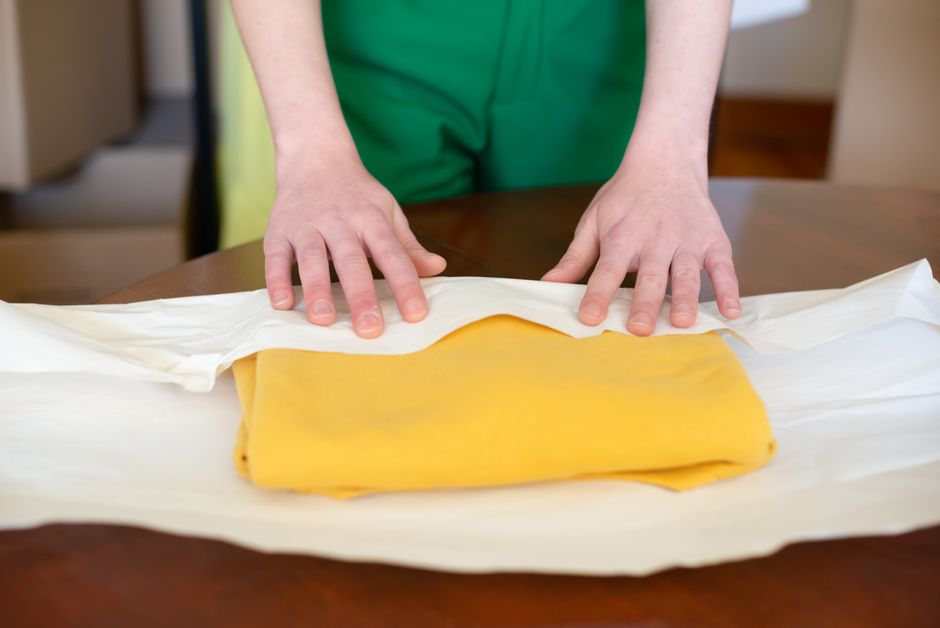
Use this order every time. It takes less than ten minutes once the child knows the routine.
- Wear the largest items. Put on the heaviest trousers, trainers and warmest jumper. A packed bag should carry soft spare items, not a second complete travel outfit.
- Lay the bag open. Place it on the floor with the main zip fully open. This reveals the true usable shape and stops the child from hiding objects under clothing.
- Build a flat base. Put rolled trousers or a thin fleece along the back panel. Avoid books, toys and shoes at the bottom because hard objects create gaps around them.
- Add clothing in matching sets. Roll each top with its underwear and socks. The child can remove one complete outfit without scattering the whole bag.
- Use the corners. Push socks into small gaps beside the main clothing rolls. Keep the centre flat so the zip line stays straight.
- Put the bulky layer on top. Place the rain jacket and warm layer last. They are easy to remove at the terminal and can be carried separately during the journey.
- Test the close before adding extras. Zip the bag with one hand. If the fabric pulls sharply or the zip stops at a corner, remove the least useful item. Do not sit on the bag to force it shut.
- Give the child one small choice. Let them choose one toy, one book or one comfort item. A fixed limit prevents the final-minute pile from taking over the bag.
This method also makes unpacking faster. The first clothes needed sit near the top, while the items for later in the trip stay lower down. The bag remains orderly because each group has a clear place.
Why bags fail to close on the day
Most failed packing attempts come from a few repeat mistakes. Fix these before blaming the bag.
- Parents pack for five weather systems. May in the UK can be cool and wet, but that does not require five jumpers. Take one warm layer, one waterproof layer and clothing that works in layers.
- Shoes steal the space. A pair of trainers can use more room than three rolled tops. Wear the largest shoes and pack only a second pair when the itinerary demands it.
- Hard toys create dead space. A large plastic toy stops clothing from settling around it. Choose one soft toy, a small card game or a slim book.
- The wash bag becomes a second suitcase. Decant shampoo and shower gel into small containers, or use solid soap and a travel toothbrush. Children rarely need a full family bathroom kit.
- Adults ignore the child’s carrying limit. A 20-litre bag can hold more than a young child should carry. Keep the packed weight close to 5–10 percent of body weight, especially on long walks.
- The bag gets tested only after the final item goes in. Close it once at home, reopen it and add the last essentials. If it only closes with pressure, the load is already too high.
A reliable rule is to remove one item for every new item added. If a child chooses a bulky camera or a second book, one piece of clothing must leave. The rule feels strict, but it keeps the bag usable instead of turning it into a soft, misshapen suitcase.
Do you need to buy a new bag?
Can a school backpack work?
Yes, if it has a wide opening, a comfortable chest strap and at least 15 litres of usable space. A school backpack often beats a cheap mini suitcase because it weighs less and fits more naturally on a child’s back. Check the actual height and depth before flying. A bag that works for a car trip may not fit an airline’s underseat frame.
When should you choose a suitcase instead?
Choose a small suitcase when an adult will carry the bag most of the time and the route has smooth floors. Wheels reduce shoulder strain, but they add weight and make stairs, cobbled streets and bus steps harder. The Cabin Max Metz 20L Hybrid is the better compromise when both rolling and carrying will happen.
When should you skip a specialist kids bag?
Skip a new purchase if the child already owns a comfortable 18–22-litre backpack that passes the close test. Spend the money on a lightweight packing cube, a rain cover or a small laundry pouch instead. The bag matters less than the volume limit and the packing order.
Before leaving, place every item beside the open bag, remove the obvious duplicates and take a final photograph of the packed layout. That photo gives the child a simple reference for repacking after the first day, when the clothes are no longer folded and the bag has to close again.
May half-term trips often need warm layers, rain protection and enough entertainment for long journeys. The solution is not a giant suitcase. It is one correctly sized bag, packed in a fixed order, with room left for the clothes your child will actually wear. How much can one 20-litre kids bag hold? A 20-litre bag…